
-
About Us

Understanding the Importance of Rinsing Hot Washing Tanks in Manufacturing Machinery
In the manufacturing processing sector, maintaining high standards of cleanliness and efficiency is essential, particularly for equipment like rinsing hot washing tanks. These tanks play a vital role in ensuring that the machinery remains free from contaminants that could interfere with production processes. Rinsing hot washing tanks is not just a matter of aesthetics; it directly influences the o
Jan 21,2026
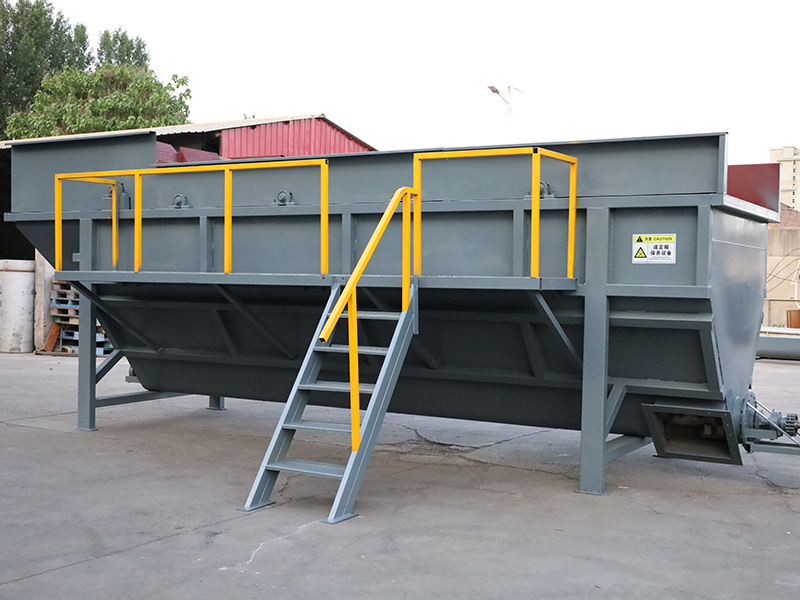
In the manufacturing processing sector, maintaining high standards of cleanliness and efficiency is essential, particularly for equipment like rinsing hot washing tanks. These tanks play a vital role in ensuring that the machinery remains free from contaminants that could interfere with production processes. Rinsing hot washing tanks is not just a matter of aesthetics; it directly influences the overall performance and longevity of your machines.
Rinsing hot washing tanks involves the use of heated water to cleanse the surfaces of machinery components that come into contact with materials during processing. The heat helps in dissolving residues and contaminants more effectively than cold water, making it a preferred method for cleaning in many industrial settings. By removing these residues, manufacturers can prevent cross-contamination during production, which is particularly important when processing different materials or products.
Furthermore, regular rinsing of these tanks can significantly enhance equipment performance. When tanks are kept clean, they allow for better flow rates and minimize the risk of clogs. This is especially true for sorting and screening machinery, where smooth operation is crucial for maintaining production efficiency. Clogged or dirty tanks can lead to downstream issues that may require costly downtime for repairs or maintenance, significantly impacting productivity.
Additionally, it's essential to consider the temperature of the water used in the rinsing process. Utilizing water at optimal temperatures can improve the effectiveness of the cleaning process. However, care must be taken to ensure that the materials used in the tanks can withstand high temperatures without incurring damage. Regular checks and maintenance of the tanks themselves are advisable to prevent wear and tear.
Implementing a routine schedule for rinsing hot washing tanks can also contribute to better compliance with safety and health regulations. Many industries face strict guidelines concerning cleanliness and hygiene, and maintaining clean machinery can help in meeting these standards effectively. A well-maintained system not only protects the equipment but also safeguards the quality of the end products.
In conclusion, rinsing hot washing tanks is a critical aspect of operating manufacturing machinery, particularly within the crushing and sorting equipment sectors. By adhering to best practices in tank maintenance, manufacturers can enhance the efficacy and durability of their operations while ensuring compliance with industry standards. Regular rinsing is not merely a maintenance task but a vital step towards achieving operational excellence.
Rinsing hot washing tanks involves the use of heated water to cleanse the surfaces of machinery components that come into contact with materials during processing. The heat helps in dissolving residues and contaminants more effectively than cold water, making it a preferred method for cleaning in many industrial settings. By removing these residues, manufacturers can prevent cross-contamination during production, which is particularly important when processing different materials or products.
Furthermore, regular rinsing of these tanks can significantly enhance equipment performance. When tanks are kept clean, they allow for better flow rates and minimize the risk of clogs. This is especially true for sorting and screening machinery, where smooth operation is crucial for maintaining production efficiency. Clogged or dirty tanks can lead to downstream issues that may require costly downtime for repairs or maintenance, significantly impacting productivity.
Additionally, it's essential to consider the temperature of the water used in the rinsing process. Utilizing water at optimal temperatures can improve the effectiveness of the cleaning process. However, care must be taken to ensure that the materials used in the tanks can withstand high temperatures without incurring damage. Regular checks and maintenance of the tanks themselves are advisable to prevent wear and tear.
Implementing a routine schedule for rinsing hot washing tanks can also contribute to better compliance with safety and health regulations. Many industries face strict guidelines concerning cleanliness and hygiene, and maintaining clean machinery can help in meeting these standards effectively. A well-maintained system not only protects the equipment but also safeguards the quality of the end products.
In conclusion, rinsing hot washing tanks is a critical aspect of operating manufacturing machinery, particularly within the crushing and sorting equipment sectors. By adhering to best practices in tank maintenance, manufacturers can enhance the efficacy and durability of their operations while ensuring compliance with industry standards. Regular rinsing is not merely a maintenance task but a vital step towards achieving operational excellence.
TAG:
Contact Us
E-mail :
Phone/WhatsApp:
Address:
Shunping, Baoding City, Hebei Province


