
-
About Us

Exploring the Latest Innovations in Rinsing Hot Washing Tank Technology: A Comprehensive Guide
Feb 05,2026
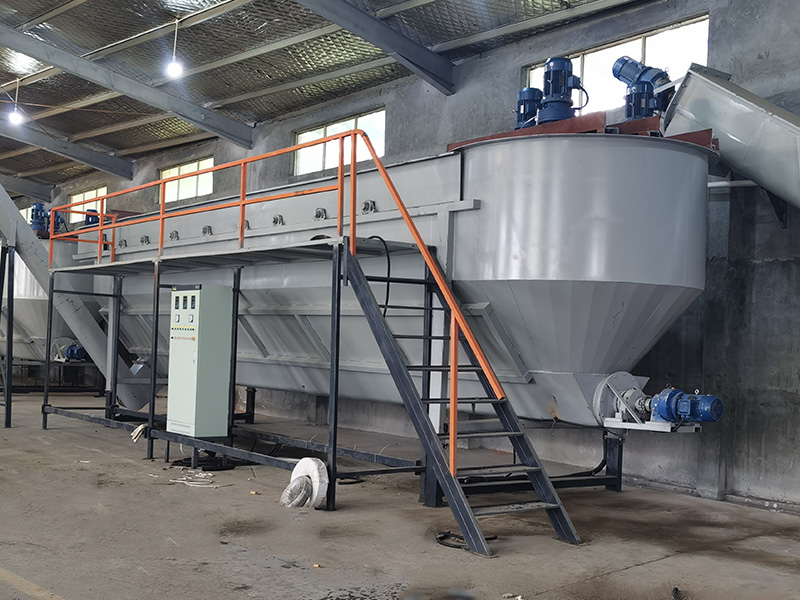
Exploring the Latest Innovations in Rinsing Hot Washing Tank Technology
In the ever-evolving landscape of manufacturing, the importance of effective cleaning processes cannot be overstated. Rinsing hot washing tanks have emerged as vital components in ensuring that machinery and materials remain free from contaminants. As industries strive for greater efficiency and sustainability, innovations in rinsing hot washing tank technology are paving the way for enhanced performance and operational effectiveness. In this article, we delve into the latest advancements, providing a comprehensive overview of the trends shaping this crucial field.
The Role of Rinsing Hot Washing Tanks in Industrial Processes
Rinsing hot washing tanks play a pivotal role in various manufacturing sectors, including automotive, food processing, and electronics. These tanks are designed to remove contaminants from parts and surfaces, ensuring that products meet stringent quality standards. The need for superior cleaning solutions has led to significant investments in technology, resulting in more efficient and environmentally friendly rinsing systems.
Understanding the Mechanisms Behind Rinsing Hot Washing Tanks
At the heart of rinsing hot washing tank technology lies a combination of heat, agitation, and effective rinsing solutions. The following mechanisms contribute to their effectiveness:
1. Thermal Efficiency
Heating the washing solution enhances its ability to dissolve grease and grime. Recent innovations focus on optimizing heating elements and insulation, ensuring faster heating times and energy savings.
2. Mechanical Agitation
Agitation is critical for effective cleaning. Modern rinsing tanks incorporate advanced agitation methods, such as ultrasonic waves and high-pressure jets, that improve particle removal from surfaces.
3. Rinsing Solutions
The development of biodegradable and non-toxic rinsing agents has gained traction, aligning with global sustainability goals. These solutions ensure effective cleaning while minimizing environmental impact.
Recent Innovations in Rinsing Hot Washing Tank Technology
As industries push for higher standards and improved efficiencies, several key innovations have emerged in rinsing hot washing tank technology:
1. Automation and IoT Integration
Automation plays a significant role in modern rinsing systems. By integrating Internet of Things (IoT) technology, manufacturers can monitor and control processes remotely. This connectivity allows for real-time data analysis, predictive maintenance, and enhanced efficiency.
2. Energy-Efficient Designs
With rising energy costs, energy efficiency has become a priority. New designs leverage advanced materials and insulation techniques to minimize heat loss and reduce overall energy consumption. Tank configurations are optimized to enhance fluid dynamics, ensuring that every drop of heated water is used effectively.
3. Modular Systems
Modular designs offer flexibility, allowing manufacturers to customize rinsing systems according to their specific needs. Modular hot washing tanks can be easily scaled or reconfigured, facilitating quick adjustments to meet varying production demands.
4. Enhanced Filtration Technologies
Filtration systems have evolved, allowing for the reuse of rinse water without compromising cleanliness. Advanced filtration technologies, including membrane filtration and carbon filtering, ensure that rinsing solutions remain effective over extended periods while reducing water consumption.
Benefits of Innovations in Rinsing Hot Washing Tank Technology
The latest advancements in rinsing hot washing tank technology offer numerous benefits to manufacturers:
1. Improved Cleaning Efficiency
With enhanced agitation and optimized rinsing solutions, the cleaning process is faster and more effective, reducing production downtime and ensuring high-quality results.
2. Cost-Effectiveness
Energy-efficient designs and water reuse capabilities lead to reduced operational costs. Investing in advanced rinsing technologies results in long-term savings.
3. Environmental Compliance
New innovations focus on sustainability, enabling manufacturers to comply with environmental regulations without sacrificing performance. Biodegradable cleaning agents and reduced water usage contribute to greener operations.
4. Increased Equipment Longevity
Maintaining clean machinery extends equipment life. Rinsing hot washing tanks effectively remove contaminants that can lead to wear and tear, thus reducing maintenance costs.
Challenges in Implementing New Rinsing Technologies
While innovations are driving advancements, challenges remain in the adoption of new rinsing technologies:
1. Initial Investment Costs
The upfront costs associated with acquiring advanced rinsing systems can be significant. However, the long-term savings and efficiency gains often justify the initial investment.
2. Training and Skill Development
Introducing new technologies requires training for personnel. Organizations must invest in skill development to ensure successful implementation and operation of modern rinsing systems.
3. Integration with Existing Systems
Seamless integration with existing machinery can be challenging. Manufacturers must assess compatibility and make necessary adjustments to workflows.
Future Trends in Rinsing Hot Washing Tank Technology
As we look ahead, several trends are likely to shape the future of rinsing hot washing tank technology:
1. Smart Technologies
Further integration of AI and machine learning will enable smarter systems capable of optimizing cleaning processes based on real-time data, leading to even greater efficiencies.
2. Sustainability Focus
As sustainability becomes increasingly important, innovations in eco-friendly rinsing solutions and water-saving technologies will continue to develop, aligning with global environmental goals.
3. Customization and Personalization
The demand for customized solutions will rise, with manufacturers seeking equipment tailored to their specific cleaning needs, leading to more versatile rinsing technologies.
Frequently Asked Questions (FAQs)
1. What is a rinsing hot washing tank?
A rinsing hot washing tank is a specialized cleaning system used to remove contaminants from parts and surfaces through the application of heated water, agitation, and rinsing solutions.
2. How do advancements in rinsing technology benefit manufacturers?
Advancements improve cleaning efficiency, reduce operational costs, ensure environmental compliance, and extend equipment longevity.
3. What are the components of a modern rinsing hot washing tank?
Modern systems typically include heating elements, agitation mechanisms, filtration systems, and control units for automation and monitoring.
4. Can rinsing hot washing tanks be customized?
Yes, many manufacturers offer modular and customizable designs to meet specific industrial needs.
5. What role does automation play in rinsing hot washing tank technology?
Automation enhances efficiency by allowing remote monitoring and control, facilitating predictive maintenance, and optimizing cleaning processes based on data analysis.
Conclusion
The landscape of rinsing hot washing tank technology is continuously evolving, driven by the need for greater efficiency, sustainability, and performance in industrial cleaning processes. As manufacturers embrace these innovations, they unlock numerous benefits, including improved cleaning effectiveness and cost savings. By staying informed about the latest advancements and understanding their implications, industries can position themselves at the forefront of a rapidly changing market, ensuring that they meet the demands of today and the challenges of tomorrow.
PREVIOUS:
Contact Us
E-mail :
Phone/WhatsApp:
Address:
Shunping, Baoding City, Hebei Province


