
-
About Us

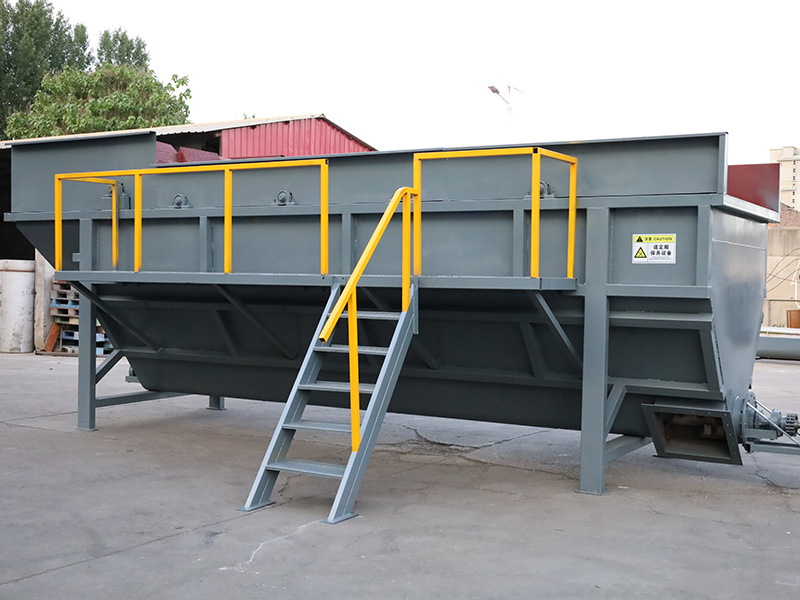
Cost-Effective Solutions for Rinsing Hot Washing Tanks in Manufacturing
Cost-Effective Solutions for Rinsing Hot Washing Tanks in Manufacturing
Introduction to Hot Washing Tanks in Manufacturing
In the manufacturing sector, maintaining cleanliness is crucial for both product quality and operational efficiency. Hot washing tanks play an essential role in this process, offering a heated environment that effectively removes contaminants from various components. However,
Mar 07,2026
Cost-Effective Solutions for Rinsing Hot Washing Tanks in Manufacturing
Introduction to Hot Washing Tanks in Manufacturing
In the manufacturing sector, maintaining cleanliness is crucial for both product quality and operational efficiency. Hot washing tanks play an essential role in this process, offering a heated environment that effectively removes contaminants from various components. However, the rinsing process can be resource-intensive and costly if not managed correctly. This article delves into **cost-effective solutions** for rinsing hot washing tanks, helping manufacturers save time and money while ensuring optimal cleanliness.
Understanding the Importance of Rinsing in Hot Washing Tanks
Rinsing is a critical step following the washing of components in manufacturing. It ensures that any residual cleaning agents, oils, or contaminants are adequately removed, preventing potential defects in the final products. Failing to rinse properly can lead to quality issues, which can be costly in terms of rework and customer dissatisfaction. Therefore, implementing an effective rinsing strategy is vital for maintaining high production standards.
The Challenges of Rinsing Hot Washing Tanks
Rinsing hot washing tanks presents several challenges, including:
1. **Water Usage**: Traditional rinsing methods often require extensive water usage, leading to high operational costs.
2. **Energy Consumption**: Heating water for rinsing can significantly increase energy bills.
3. **Time Efficiency**: Inefficient rinsing processes can slow down overall production, affecting delivery schedules.
4. **Environmental Impact**: Excessive water and cleaning agent use can have negative environmental consequences, leading to regulatory concerns.
Innovative Techniques for Cost-Effective Rinsing
To address these challenges, manufacturers can adopt a variety of innovative rinsing techniques. Here are some of the most effective methods:
1. Utilizing Recirculating Water Systems
Recirculating water systems allow manufacturers to reuse rinse water, reducing overall water consumption. By filtering and reintroducing rinse water back into the system, companies can cut costs while maintaining washing effectiveness. This method not only conserves water but also minimizes waste and lowers wastewater treatment costs.
2. Implementing Low-Volume High-Efficiency (LVHE) Nozzles
LVHE nozzles are designed to optimize water usage while maximizing cleaning efficiency. These nozzles deliver a fine mist or concentrated stream, ensuring thorough rinsing with minimal water. By switching to LVHE nozzles, manufacturers can significantly reduce water consumption and lower operating costs.
3. Adopting Automated Rinsing Solutions
Automation technologies can streamline the rinsing process, enhancing efficiency and precision. Automated systems can be programmed to deliver the exact amount of water needed for rinsing, reducing waste and improving consistency. Additionally, automation can free up labor resources for other critical tasks within the manufacturing process.
4. Employing Multi-Stage Rinsing Processes
Implementing a multi-stage rinsing process can enhance rinsing effectiveness while minimizing resource usage. By using a series of rinse stages, manufacturers can progressively remove contaminants, using lower volumes of water in each stage. This system can be particularly effective when combined with recirculating water systems.
5. Integrating Heat Recovery Systems
Heat recovery systems capture and reuse heat from the hot washing tanks, minimizing energy consumption during the rinsing stage. By preheating the rinse water using recovered heat, manufacturers can lower energy costs and enhance the overall efficiency of their rinsing processes.
Best Practices for Rinsing Hot Washing Tanks
To further improve rinsing efficiency, manufacturers can implement the following best practices:
1. Regular Maintenance of Rinsing Equipment
Ensuring that rinsing equipment is regularly maintained is crucial for optimal performance. Routine inspections and servicing can prevent equipment failures and ensure that systems operate as efficiently as possible.
2. Training Staff on Efficient Rinsing Techniques
Investing in training programs for staff can improve the effectiveness of rinsing procedures. Employees should be educated on the importance of rinsing and the most efficient techniques, which can lead to reduced waste and improved cleanliness.
3. Monitoring Water Usage and Waste Generation
Implementing monitoring systems can help track water usage and waste generation during the rinsing process. By analyzing this data, manufacturers can identify areas for improvement and make informed decisions about resource allocation.
4. Collaborating with Suppliers for Eco-Friendly Solutions
Working with suppliers who offer eco-friendly cleaning agents and rinsing technologies can help manufacturers reduce their environmental footprint. Eco-friendly solutions often provide the same or better cleaning effectiveness with less impact on resources.
Cost Analysis of Rinsing Hot Washing Tanks
Understanding the costs associated with rinsing hot washing tanks is essential for making informed decisions. Here are the key cost factors to consider:
1. Water and Energy Costs
The primary costs associated with rinsing include water and energy expenditures. By implementing the cost-effective solutions outlined above, manufacturers can significantly reduce these expenses.
2. Labor Costs
Labor costs can also impact the overall cost of rinsing. By automating the rinsing process or optimizing staff training, manufacturers can reduce labor expenses while maintaining effective rinsing processes.
3. Maintenance Costs
Regular maintenance of rinsing equipment is an essential investment. While there may be upfront costs for maintenance, the long-term savings from improved efficiency and reduced downtime can outweigh these expenses.
4. Environmental Compliance Costs
Failing to comply with environmental regulations can lead to hefty fines and remediation costs. By adopting eco-friendly rinsing solutions, manufacturers can mitigate these risks and align with sustainability goals.
Case Studies: Successful Implementation of Rinsing Solutions
Examining real-world examples of successful rinsing solutions can provide valuable insights for manufacturers.
Case Study 1: Automotive Parts Manufacturer
An automotive parts manufacturer implemented a recirculating water system combined with LVHE nozzles. This transition resulted in a 40% reduction in water usage and a 30% decrease in energy costs, demonstrating the effectiveness of innovative rinsing technologies.
Case Study 2: Electronics Assembly Facility
An electronics assembly facility adopted automated rinsing solutions and heat recovery systems, leading to a 25% reduction in labor costs and a 50% decrease in energy consumption. This case exemplifies the benefits of integrating modern technologies into rinsing processes.
FAQs About Rinsing Hot Washing Tanks
1. What is the primary purpose of rinsing hot washing tanks?
Rinsing hot washing tanks removes residual contaminants and cleaning agents from components, ensuring product quality and preventing defects.
2. How can I reduce water consumption during rinsing?
Implementing recirculating water systems, utilizing LVHE nozzles, and automating rinsing processes can significantly reduce water usage.
3. What are the benefits of using automated rinsing systems?
Automated rinsing systems improve efficiency, consistency, and precision while reducing labor costs and water usage.
4. How often should rinsing equipment be maintained?
Rinsing equipment should be inspected and maintained regularly, ideally on a quarterly or semi-annual basis, to ensure optimal performance.
5. Can eco-friendly rinsing solutions be as effective as traditional methods?
Yes, many eco-friendly rinsing solutions provide comparable or superior cleaning effectiveness while minimizing environmental impact.
Conclusion
In conclusion, rinsing hot washing tanks in manufacturing is a critical process that requires careful consideration of cost-effective solutions. By adopting innovative technologies such as recirculating water systems, LVHE nozzles, and automated rinsing solutions, manufacturers can enhance efficiency, reduce operational costs, and maintain high product quality. Implementing best practices and monitoring key cost factors will further optimize rinsing processes, allowing manufacturers to thrive in a competitive landscape. Embracing these strategies not only improves bottom-line performance but also contributes to a more sustainable future for the manufacturing industry.
TAG:
Contact Us
E-mail :
Phone/WhatsApp:
Address:
Shunping, Baoding City, Hebei Province


