
-
About Us

Understanding the Importance of Rinsing Hot Washing Tanks in Manufacturing Processes
In the field of manufacturing and processing machinery, maintaining optimal equipment performance is essential for ensuring efficiency and quality in production. One critical aspect of machinery maintenance is the cleaning process, specifically through rinsing hot washing tanks. These tanks play an integral role in the cleaning operations of various manufacturing processes, where the removal of co
Mar 22,2026
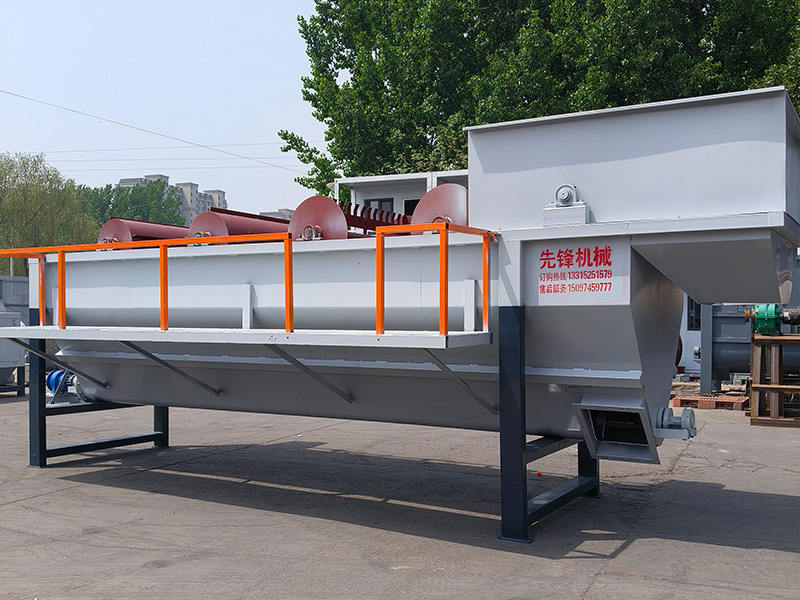
In the field of manufacturing and processing machinery, maintaining optimal equipment performance is essential for ensuring efficiency and quality in production. One critical aspect of machinery maintenance is the cleaning process, specifically through rinsing hot washing tanks. These tanks play an integral role in the cleaning operations of various manufacturing processes, where the removal of contaminants, residues, and other impurities is necessary to maintain the integrity of the machinery and the quality of the end products.
Rinsing hot washing tanks involves using heated water or cleaning solutions to effectively dissolve and remove stubborn contaminants that can accumulate on the surfaces of equipment. The application of heat not only aids in the dislodging of residues but also facilitates the breakdown of complex substances, making them easier to wash away. This process is particularly relevant in industries dealing with materials that are prone to sticking or forming clogs, such as those involving mineral ores or aggregates.
One of the primary benefits of rinsing hot washing tanks is its role in enhancing productivity. A clean washing tank ensures that the equipment operates at peak efficiency, reducing downtime that can occur due to equipment failure attributed to unscheduled maintenance. When machines are regularly maintained through effective cleaning processes, manufacturers can minimize interruptions in production and ensure that the workflow remains uninterrupted.
Furthermore, rinsing hot washing tanks contributes to the sustainability of manufacturing operations. By maintaining clean tanks and equipment, manufacturers can prolong the lifespan of their machinery, reducing the need for frequent replacements. This not only benefits the manufacturer financially but also lessens the environmental impact associated with the disposal of old equipment and the production of new machinery.
For optimal results, it is essential to establish a routine for rinsing hot washing tanks. This routine should consider the specific materials being processed and the frequency of use. The temperature of the rinsing water, the type of cleaning solutions, and the duration of the rinsing process should all be tailored to meet the unique needs of the operation. Moreover, operators should be trained in best practices to ensure that rinsing is performed efficiently and safely.
In conclusion, rinsing hot washing tanks is a vital process in the manufacturing of crushing and sorting machinery. By implementing effective rinsing procedures, manufacturers can enhance equipment performance, increase productivity, and promote sustainable practices within their operations. Regular maintenance through the rinsing of hot washing tanks ultimately leads to a more efficient and environmentally friendly manufacturing process.
Rinsing hot washing tanks involves using heated water or cleaning solutions to effectively dissolve and remove stubborn contaminants that can accumulate on the surfaces of equipment. The application of heat not only aids in the dislodging of residues but also facilitates the breakdown of complex substances, making them easier to wash away. This process is particularly relevant in industries dealing with materials that are prone to sticking or forming clogs, such as those involving mineral ores or aggregates.
One of the primary benefits of rinsing hot washing tanks is its role in enhancing productivity. A clean washing tank ensures that the equipment operates at peak efficiency, reducing downtime that can occur due to equipment failure attributed to unscheduled maintenance. When machines are regularly maintained through effective cleaning processes, manufacturers can minimize interruptions in production and ensure that the workflow remains uninterrupted.
Furthermore, rinsing hot washing tanks contributes to the sustainability of manufacturing operations. By maintaining clean tanks and equipment, manufacturers can prolong the lifespan of their machinery, reducing the need for frequent replacements. This not only benefits the manufacturer financially but also lessens the environmental impact associated with the disposal of old equipment and the production of new machinery.
For optimal results, it is essential to establish a routine for rinsing hot washing tanks. This routine should consider the specific materials being processed and the frequency of use. The temperature of the rinsing water, the type of cleaning solutions, and the duration of the rinsing process should all be tailored to meet the unique needs of the operation. Moreover, operators should be trained in best practices to ensure that rinsing is performed efficiently and safely.
In conclusion, rinsing hot washing tanks is a vital process in the manufacturing of crushing and sorting machinery. By implementing effective rinsing procedures, manufacturers can enhance equipment performance, increase productivity, and promote sustainable practices within their operations. Regular maintenance through the rinsing of hot washing tanks ultimately leads to a more efficient and environmentally friendly manufacturing process.
TAG:
Contact Us
E-mail :
Phone/WhatsApp:
Address:
Shunping, Baoding City, Hebei Province


