
-
About Us

Understanding the Importance of Rinsing Hot Washing Tanks in Manufacturing Processes
In the manufacturing and processing machinery industry, particularly within the sectors of crushing and sorting equipment, the cleanliness of machinery plays an integral role in ensuring product quality and operational efficiency. One critical aspect often overlooked is the rinsing of hot washing tanks. Understanding the nuances of this process can significantly benefit professionals in the field.
Apr 21,2026
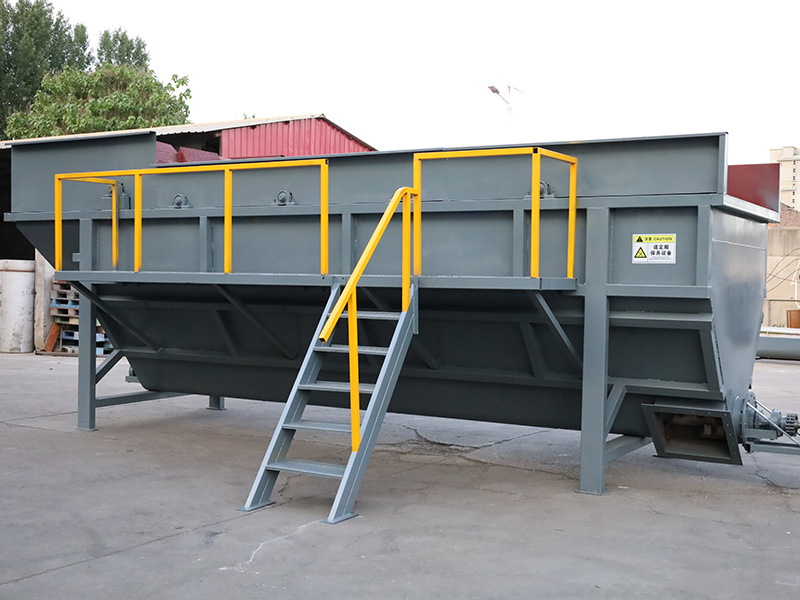
In the manufacturing and processing machinery industry, particularly within the sectors of crushing and sorting equipment, the cleanliness of machinery plays an integral role in ensuring product quality and operational efficiency. One critical aspect often overlooked is the rinsing of hot washing tanks. Understanding the nuances of this process can significantly benefit professionals in the field.
Rinsing hot washing tanks serves multiple purposes. Primarily, it removes residual contaminants that may cling to the interior surfaces of the tank. These contaminants can include leftover detergent, soil, and any particles from previously processed materials. If these residues are not adequately rinsed, they can lead to cross-contamination during subsequent processes, ultimately affecting the quality of the final product.
Moreover, the process of rinsing is essential for maintaining the longevity of the machinery. Hot washing tanks are typically used in environments where high temperatures are necessary for effective cleaning. The residue left behind can accelerate wear and tear on the tank’s surfaces, leading to potential damage and costly repairs. Regular rinsing helps mitigate this risk, ensuring that the machinery operates smoothly and efficiently over time.
Additionally, the rinsing process enhances operational efficiency. A clean hot washing tank can facilitate better heat transfer, which is vital for maintaining the desired temperatures during cleaning cycles. When tanks are clogged with debris or residues, the heating elements may work harder than necessary, leading to increased energy consumption and prolonged cleaning times. By implementing an effective rinsing protocol, manufacturers can optimize their processes, reduce energy costs, and improve overall output.
Another critical factor to consider is safety. Residual chemicals or contaminants in hot washing tanks can pose hazards to operators. Rinsing tanks thoroughly minimizes these risks, ensuring a safer working environment and compliance with health and safety regulations.
In conclusion, rinsing hot washing tanks is a fundamental practice that significantly impacts the manufacturing process, particularly in the crushing and sorting machinery sector. By prioritizing this procedure, manufacturers can enhance product quality, extend machinery lifespan, improve operational efficiency, and ensure safety. Professionals in the industry should consider establishing standardized rinsing protocols to reap these benefits and maintain a competitive edge in the market.
TAG:
Contact Us
E-mail :
Phone/WhatsApp:
Address:
Shunping, Baoding City, Hebei Province


