
-
About Us

Common Challenges in Using Rinsing Hot Washing Tanks and How to Overcome Them
Common Challenges in Using Rinsing Hot Washing Tanks and How to Overcome Them
Introduction to Rinsing Hot Washing Tanks
Rinsing hot washing tanks are essential in various manufacturing processes, particularly in industries such as metalworking and food processing. They serve to remove impurities and ensure that products meet safety and quality standards. However, utilizing these tanks effectively
May 06,2026
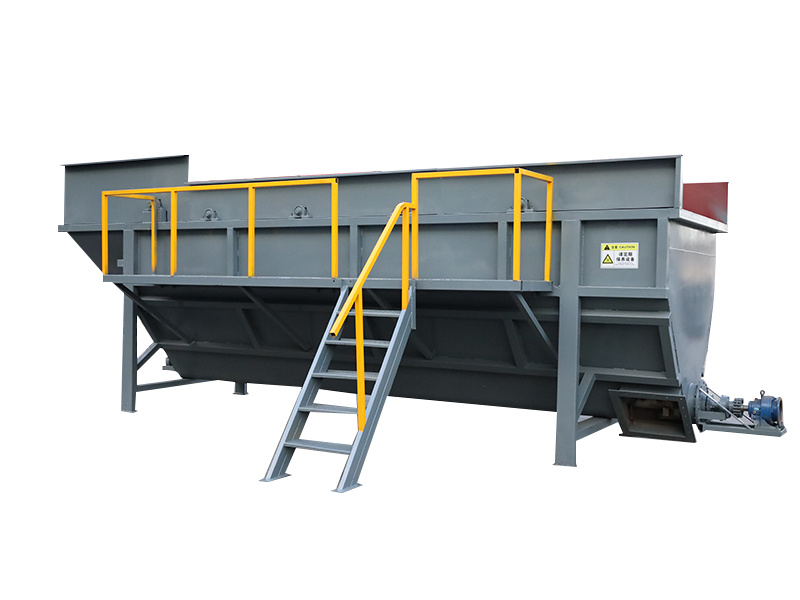
Common Challenges in Using Rinsing Hot Washing Tanks and How to Overcome Them
Introduction to Rinsing Hot Washing Tanks
Rinsing hot washing tanks are essential in various manufacturing processes, particularly in industries such as metalworking and food processing. They serve to remove impurities and ensure that products meet safety and quality standards. However, utilizing these tanks effectively often presents numerous challenges.
Understanding the Importance of Rinsing Hot Washing Tanks
Rinsing hot washing tanks are vital for maintaining cleanliness and hygiene in production environments. They not only enhance product quality but also improve operational efficiency. By understanding the common challenges associated with these tanks, manufacturers can implement strategies to mitigate issues and maximize their effectiveness.
The Role of Temperature in Rinsing Processes
One of the key factors in the efficient operation of rinsing hot washing tanks is temperature. The effectiveness of the rinsing process is greatly influenced by the water temperature. Hot water can dissolve residues and contaminants more effectively than cold water, making it crucial for achieving desired cleanliness levels. However, maintaining optimal temperatures requires careful monitoring and control.
Common Challenges Faced in Rinsing Hot Washing Tanks
1. Inconsistent Water Temperature
A frequent issue encountered in rinsing hot washing tanks is inconsistent water temperatures. Fluctuations can lead to ineffective cleaning, risking contamination of products. Ensuring a stable temperature can be achieved through regular maintenance and the use of advanced heating systems.
2. Residue Buildup and Clogging
Over time, residue buildup can occur within the tanks, leading to clogs and reduced efficiency. This presents significant challenges in maintaining optimal rinsing conditions. Regular cleaning and inspection of the tanks can help prevent buildup, ensuring smooth operation.
3. Inefficient Water Usage
Water wastage is another challenge associated with rinsing hot washing tanks. Inefficient rinsing processes can lead to excessive water consumption, increasing operational costs. Implementing water-saving technologies and optimizing rinsing protocols can significantly reduce water usage.
4. Chemical Compatibility Issues
The use of cleaning agents is often necessary for effective rinsing. However, not all chemicals are compatible with hot washing tanks, leading to potential equipment damage or ineffective cleaning. Conducting thorough research on chemical compatibility before introducing new agents is essential.
5. Equipment Maintenance and Downtime
Regular maintenance is crucial for the longevity of rinsing hot washing tanks. However, scheduling maintenance can lead to downtime, impacting production schedules. Developing a proactive maintenance plan can minimize disruptions and ensure equipment reliability.
Strategies to Overcome Challenges in Rinsing Hot Washing Tanks
1. Implementing Temperature Control Systems
Investing in advanced temperature control systems can help monitor and regulate the water temperature effectively. These systems can provide real-time data, allowing operators to make necessary adjustments promptly.
2. Establishing a Regular Cleaning Schedule
Implementing a routine cleaning schedule can prevent residue buildup and clogging. Cleaning protocols should be documented and followed rigorously to ensure consistent maintenance.
3. Optimizing Rinsing Procedures
Reviewing and optimizing rinsing procedures can lead to significant water savings. Techniques such as recycling rinse water or utilizing spray nozzles can enhance efficiency and reduce water usage.
4. Conducting Compatibility Testing
Before introducing any new cleaning chemicals, conducting compatibility tests with existing tank materials is crucial. This step can prevent costly damage and ensure the longevity of the equipment.
5. Training Staff on Best Practices
Training staff on the proper operation and maintenance of rinsing hot washing tanks can lead to better outcomes. Providing comprehensive training sessions can empower employees to recognize and address potential issues before they escalate.
Conclusion
The successful operation of rinsing hot washing tanks is integral to maintaining product quality and operational efficiency in manufacturing processes. By understanding and addressing the common challenges associated with these tanks, manufacturers can implement effective strategies to overcome them. Investing in proper maintenance, optimizing procedures, and training staff will not only streamline operations but also enhance the overall productivity of the manufacturing process.
Frequently Asked Questions (FAQs)
1. What is the ideal temperature for rinsing hot washing tanks?
The ideal temperature typically ranges between 140°F and 180°F, depending on the specific application and contaminants being removed.
2. How often should rinsing hot washing tanks be cleaned?
It is recommended to clean the tanks at least once a week, or more frequently if heavy usage leads to residue buildup.
3. Can I use any cleaning chemical in my rinsing hot washing tank?
No, it is crucial to choose cleaning chemicals that are compatible with the tank materials to prevent damage and ensure effective cleaning.
4. What are the signs of equipment needing maintenance?
Signs may include unusual noises, inconsistent water temperature, leaks, or visible residue buildup within the tank.
5. How can I reduce water usage in my rinsing hot washing tank?
Consider implementing recycling systems or optimizing your rinsing protocols to minimize water wastage. Techniques like using high-pressure nozzles can also improve efficiency.
By addressing the challenges of rinsing hot washing tanks with informed strategies, manufacturers can significantly enhance their production processes and ensure consistent product quality.
TAG:
Contact Us
E-mail :
Phone/WhatsApp:
Address:
Shunping, Baoding City, Hebei Province


