
-
About Us

Optimizing the Rinsing Process in Hot Washing Tanks for Enhanced Manufacturing Efficiency
In the manufacturing and processing machinery sector, particularly within the realm of crushing and sorting machinery, maintaining cleanliness and ensuring the efficient operation of equipment is paramount. One vital component of this process is the rinsing of hot washing tanks. Understanding how to optimize this process can significantly enhance manufacturing efficiency and product quality.
Rinsi
May 21,2026
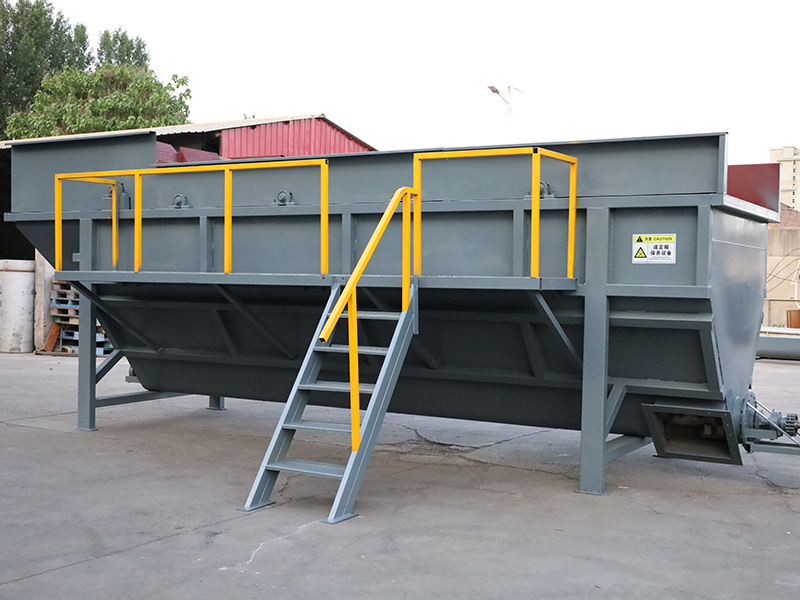
In the manufacturing and processing machinery sector, particularly within the realm of crushing and sorting machinery, maintaining cleanliness and ensuring the efficient operation of equipment is paramount. One vital component of this process is the rinsing of hot washing tanks. Understanding how to optimize this process can significantly enhance manufacturing efficiency and product quality.
Rinsing hot washing tanks is essential for removing residual materials, contaminants, and chemicals that may affect the functionality and longevity of machinery. When these tanks are properly maintained, they can effectively support the cleaning and preparation of equipment used in various applications, including the sorting and crushing of materials.
To optimize the rinsing process in hot washing tanks, consider the following best practices:
1. **Temperature Control**: Maintaining the right temperature in the hot washing tank is crucial. Higher temperatures can enhance the solubility of contaminants, making them easier to rinse away. However, it is essential to find a balance, as excessively high temperatures may damage sensitive components of the machinery.
2. **Water Quality**: The quality of the water used in the rinsing process can impact the effectiveness of cleaning. Using clean, filtered water can help prevent recontamination and improve the overall rinsing results. Additionally, consider the pH levels of the water, as extremes can affect various materials differently.
3. **Rinsing Techniques**: Implementing effective rinsing techniques, such as counter-current rinsing, can help maximize the efficiency of the process. In counter-current rinsing, the clean rinse water flows in the opposite direction to the flow of the dirty wash water, which can enhance cleaning effectiveness and reduce water usage.
4. **Regular Maintenance**: Regularly inspecting and maintaining hot washing tanks is vital for optimal performance. This includes checking for wear and tear, ensuring proper drainage, and cleaning the tanks to prevent buildup that could hinder efficiency.
5. **Monitoring Systems**: Integrating monitoring systems to track the rinsing process can provide valuable insights into performance. By analyzing data such as water temperature, flow rates, and cleaning efficiency, manufacturers can identify areas for improvement and make informed decisions to enhance their rinsing processes.
In conclusion, effective rinsing of hot washing tanks plays a crucial role in the maintenance and efficiency of crushing and sorting machinery within the manufacturing industry. By focusing on temperature control, water quality, advanced rinsing techniques, regular maintenance, and monitoring systems, manufacturers can optimize their rinsing processes, leading to improved equipment longevity and product quality. As industrial demands continue to evolve, prioritizing these practices will help manufacturers stay competitive and maintain high standards of operational excellence.
Rinsing hot washing tanks is essential for removing residual materials, contaminants, and chemicals that may affect the functionality and longevity of machinery. When these tanks are properly maintained, they can effectively support the cleaning and preparation of equipment used in various applications, including the sorting and crushing of materials.
To optimize the rinsing process in hot washing tanks, consider the following best practices:
1. **Temperature Control**: Maintaining the right temperature in the hot washing tank is crucial. Higher temperatures can enhance the solubility of contaminants, making them easier to rinse away. However, it is essential to find a balance, as excessively high temperatures may damage sensitive components of the machinery.
2. **Water Quality**: The quality of the water used in the rinsing process can impact the effectiveness of cleaning. Using clean, filtered water can help prevent recontamination and improve the overall rinsing results. Additionally, consider the pH levels of the water, as extremes can affect various materials differently.
3. **Rinsing Techniques**: Implementing effective rinsing techniques, such as counter-current rinsing, can help maximize the efficiency of the process. In counter-current rinsing, the clean rinse water flows in the opposite direction to the flow of the dirty wash water, which can enhance cleaning effectiveness and reduce water usage.
4. **Regular Maintenance**: Regularly inspecting and maintaining hot washing tanks is vital for optimal performance. This includes checking for wear and tear, ensuring proper drainage, and cleaning the tanks to prevent buildup that could hinder efficiency.
5. **Monitoring Systems**: Integrating monitoring systems to track the rinsing process can provide valuable insights into performance. By analyzing data such as water temperature, flow rates, and cleaning efficiency, manufacturers can identify areas for improvement and make informed decisions to enhance their rinsing processes.
In conclusion, effective rinsing of hot washing tanks plays a crucial role in the maintenance and efficiency of crushing and sorting machinery within the manufacturing industry. By focusing on temperature control, water quality, advanced rinsing techniques, regular maintenance, and monitoring systems, manufacturers can optimize their rinsing processes, leading to improved equipment longevity and product quality. As industrial demands continue to evolve, prioritizing these practices will help manufacturers stay competitive and maintain high standards of operational excellence.
TAG:
Contact Us
E-mail :
Phone/WhatsApp:
Address:
Shunping, Baoding City, Hebei Province


