
-
About Us

A Comprehensive Comparison of Rinsing Hot Washing Tanks and Traditional Cleaning Methods in Manufacturing
A Comprehensive Comparison of Rinsing Hot Washing Tanks and Traditional Cleaning Methods in Manufacturing
Cleaning processes are crucial in the manufacturing sector, particularly in industries that rely on precision and cleanliness for their products' integrity. Two prevalent methods in this domain are **rinsing hot washing tanks** and **traditional cleaning methods**. Each approach has its advant
Jun 05,2026
A Comprehensive Comparison of Rinsing Hot Washing Tanks and Traditional Cleaning Methods in Manufacturing
Cleaning processes are crucial in the manufacturing sector, particularly in industries that rely on precision and cleanliness for their products' integrity. Two prevalent methods in this domain are **rinsing hot washing tanks** and **traditional cleaning methods**. Each approach has its advantages and drawbacks, which we will explore in-depth to help manufacturers make informed decisions about their cleaning protocols.
Table of Contents
1. Introduction to Cleaning Methods in Manufacturing
2. The Role of Rinsing Hot Washing Tanks
2.1 What Are Rinsing Hot Washing Tanks?
2.2 Advantages of Rinsing Hot Washing Tanks
2.3 Limitations of Rinsing Hot Washing Tanks
3. Understanding Traditional Cleaning Methods
3.1 Overview of Traditional Cleaning Techniques
3.2 Benefits of Traditional Cleaning Methods
3.3 Drawbacks of Traditional Cleaning Techniques
4. Key Differences Between Rinsing Hot Washing Tanks and Traditional Methods
5. Environmental Impact and Sustainability Considerations
6. Cost Analysis: Rinsing Hot Washing Tanks vs. Traditional Cleaning
7. Case Studies: Real-World Applications and Results
8. Frequently Asked Questions (FAQs)
9. Conclusion
1. Introduction to Cleaning Methods in Manufacturing
In the manufacturing world, cleanliness is not just about aesthetics; it directly affects product quality and operational efficiency. With increasing awareness around sustainability and effective cleaning techniques, manufacturers are continuously searching for the best cleaning methods. Rinsing hot washing tanks have emerged as a popular solution, but traditional cleaning methods still hold their ground. This article delves into both approaches, providing a clear comparison to help industry professionals choose the right cleaning method for their needs.
2. The Role of Rinsing Hot Washing Tanks
2.1 What Are Rinsing Hot Washing Tanks?
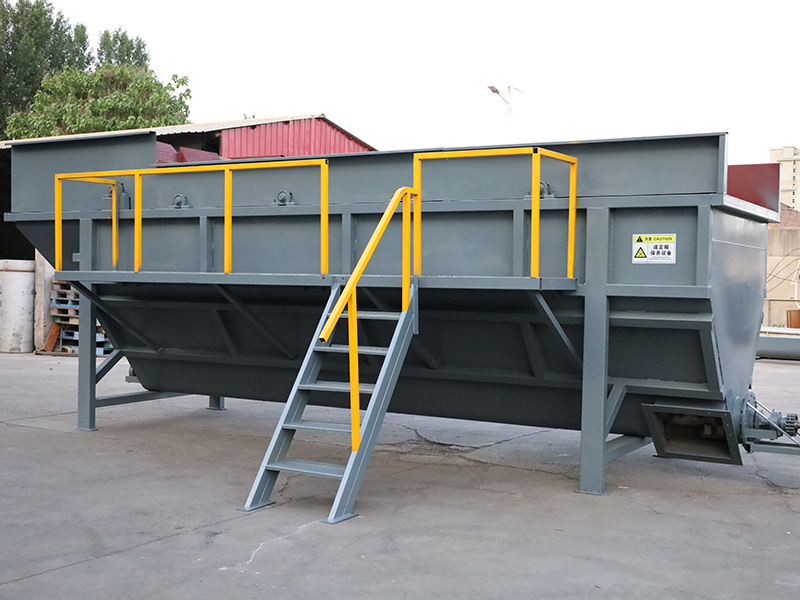
Rinsing hot washing tanks are specialized equipment designed for cleaning components and parts in various manufacturing processes. They utilize high temperatures combined with water and sometimes detergents to effectively remove contaminants and residues from surfaces. The technology often includes automated systems that enhance efficiency and reduce labor costs.
2.2 Advantages of Rinsing Hot Washing Tanks
The adoption of rinsing hot washing tanks brings several benefits:
- **Enhanced Cleaning Efficiency**: The combination of heat and agitation increases the efficacy of the cleaning process, leading to superior results.
- **Time-Saving**: Automated systems reduce the time required for cleaning processes, allowing for quicker turnaround and increased productivity.
- **Versatility**: These tanks can be used for various materials and components, making them adaptable to different manufacturing needs.
- **Reduced Water Usage**: Often, these systems utilize less water than traditional washing methods, contributing to environmental sustainability.
2.3 Limitations of Rinsing Hot Washing Tanks
Despite their advantages, rinsing hot washing tanks do have some limitations:
- **Initial Investment Cost**: The upfront costs for purchasing and installing these systems can be significant, posing a barrier for small manufacturers.
- **Energy Consumption**: The energy required to heat the water can be high, leading to increased operational costs, particularly if not managed properly.
- **Maintenance Requirements**: Regular maintenance and potential repairs of advanced machinery can add to overall costs.
3. Understanding Traditional Cleaning Methods
3.1 Overview of Traditional Cleaning Techniques
Traditional cleaning methods encompass a range of techniques, including manual scrubbing, immersion cleaning, and the use of solvents or detergents. These methods have been widely utilized in various industries and can be effective for specific applications.
3.2 Benefits of Traditional Cleaning Methods
Traditional methods offer several benefits:
- **Cost-Effectiveness**: Generally, these methods require lower initial investments as they can often utilize existing resources and tools.
- **Simplicity**: Traditional cleaning processes are straightforward and don’t require specialized training or knowledge to implement effectively.
- **Flexibility**: Manufacturers can modify traditional methods based on the specific requirements of the cleaning job at hand.
3.3 Drawbacks of Traditional Cleaning Techniques
However, traditional cleaning methods also come with some disadvantages:
- **Labor-Intensive**: Many traditional techniques require significant manual labor, which can lead to inefficiencies and increased labor costs.
- **Inconsistent Results**: The variability in manual cleaning can result in inconsistent cleaning outcomes, affecting product quality.
- **Potential Environmental Hazards**: The use of certain solvents and detergents can pose environmental risks and health hazards if not managed correctly.
4. Key Differences Between Rinsing Hot Washing Tanks and Traditional Methods
When comparing rinsing hot washing tanks to traditional cleaning methods, several key differences emerge:
- **Efficiency**: Rinsing hot washing tanks often outperform traditional methods in terms of cleaning speed and thoroughness.
- **Labor Requirements**: Rinsing tanks typically automate much of the cleaning process, reducing the need for extensive manual labor.
- **Cost Implications**: While traditional methods may have lower initial costs, the long-term costs associated with labor and inefficiencies can make rinsing hot washing tanks a more financially sound choice.
5. Environmental Impact and Sustainability Considerations
In today's manufacturing landscape, sustainability is a critical factor. Rinsing hot washing tanks often utilize less water and can be designed for energy efficiency, contributing to a smaller environmental footprint. Additionally, the reduced need for harsh cleaning chemicals minimizes potential chemical waste, aligning with green manufacturing practices. Traditional methods may rely on solvents and detergents that are not environmentally friendly, making it crucial for manufacturers to weigh these aspects when choosing a cleaning method.
6. Cost Analysis: Rinsing Hot Washing Tanks vs. Traditional Cleaning
Conducting a cost analysis is essential for making informed decisions about cleaning methods:
- **Initial Costs**: Rinsing hot washing tanks require a higher initial investment compared to traditional methods, which can often be implemented with existing resources.
- **Operational Costs**: While rinsing tanks can incur higher energy costs, they often lead to reduced labor costs and increased cleaning efficiency over time.
- **Long-Term Savings**: Manufacturers may find long-term savings in reduced labor, increased output, and enhanced product quality with rinsing hot washing tanks.
7. Case Studies: Real-World Applications and Results
Implementing rinsing hot washing tanks versus traditional cleaning methods can yield different results depending on the industry and specific applications. Case studies demonstrate that manufacturers who switched to rinsing tanks reported:
- **Higher Productivity**: Increased throughput due to faster cleaning cycles.
- **Improved Quality Control**: Fewer defects and a higher level of product cleanliness.
- **Enhanced Worker Safety**: Reduced exposure to hazardous cleaning agents with automated systems.
8. Frequently Asked Questions (FAQs)
What materials can be cleaned using rinsing hot washing tanks?
Rinsing hot washing tanks can effectively clean a variety of materials, including metals, plastics, and rubber components.
Are rinsing hot washing tanks energy efficient?
While they do consume energy to heat water, many models are designed for energy efficiency, helping to reduce overall operational costs.
Can traditional cleaning methods still be effective?
Yes, traditional cleaning methods can still be effective, particularly in smaller operations or for specific applications that do not require advanced cleaning solutions.
What factors should manufacturers consider when choosing a cleaning method?
Manufacturers should consider factors such as cleaning efficiency, costs (both initial and operational), environmental impact, and the specific needs of their products.
How often should cleaning processes be evaluated and updated?
Regular evaluations should be conducted to ensure cleaning processes remain efficient and aligned with best practices, ideally every year or when significant changes occur in production.
9. Conclusion
In conclusion, the choice between rinsing hot washing tanks and traditional cleaning methods depends on various factors, including operational scale, budgetary constraints, and product requirements. Rinsing hot washing tanks offer significant advantages in terms of efficiency and long-term savings, while traditional methods may still have a place in certain contexts. By carefully evaluating the specific needs and goals of your manufacturing operation, you can choose the most effective cleaning method that enhances productivity, product quality, and sustainability.
TAG:
Contact Us
E-mail :
Phone/WhatsApp:
Address:
Shunping, Baoding City, Hebei Province


