
-
About Us

Optimizing Your Rinsing Hot Washing Tank for Enhanced Efficiency in Manufacturing Processes
When it comes to the cleaning processes in manufacturing, the rinsing hot washing tank plays a pivotal role. This system not only helps in maintaining the cleanliness of the machinery but also ensures that the products are free from contaminants that can affect quality. The hot washing process aids in loosening stubborn residues, while rinsing ensures that any remaining particulates are efficientl
Jun 20,2026
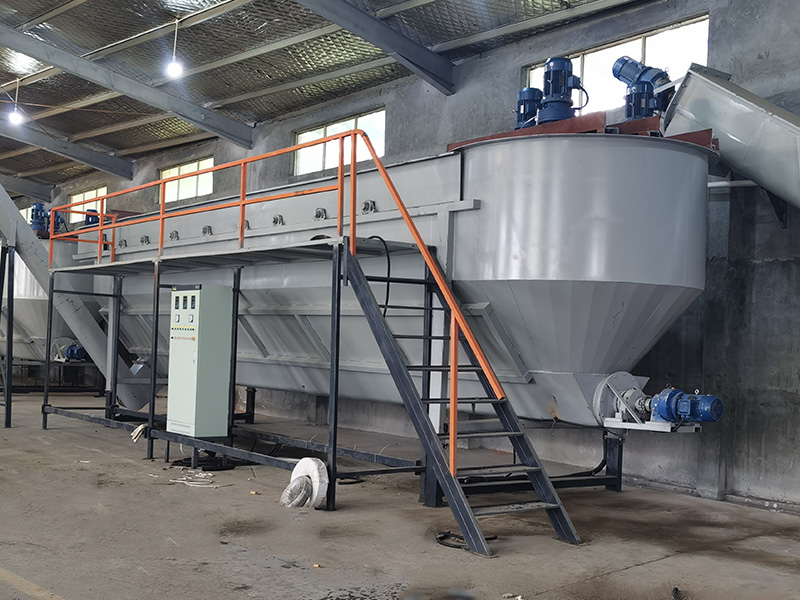
When it comes to the cleaning processes in manufacturing, the rinsing hot washing tank plays a pivotal role. This system not only helps in maintaining the cleanliness of the machinery but also ensures that the products are free from contaminants that can affect quality. The hot washing process aids in loosening stubborn residues, while rinsing ensures that any remaining particulates are efficiently removed.
To optimize the performance of your rinsing hot washing tank, consider the following crucial factors:
1. **Temperature Control**: The temperature of the water in the washing tank significantly impacts the cleaning efficiency. Hot water is more effective at breaking down and dissolving grease and oils. Using a precise temperature control system can enhance the cleaning process, ensuring that the water is heated to the optimal level for effective rinsing.
2. **Water Quality**: The quality of the water used in the rinsing process can greatly influence results. Hard water can lead to mineral buildup in the tank and on the machinery, reducing efficiency over time. Implementing water softening systems can help maintain the integrity of your rinsing hot washing tank and improve the overall cleaning results.
3. **Flow Rate and Nozzle Design**: The design of the nozzles and the flow rate of the water are critical in achieving thorough rinsing. High-pressure nozzles can provide better coverage and penetration, ensuring that all surfaces are adequately cleaned. Adjusting the flow rate to ensure optimal coverage without wasting water can also contribute to a more effective rinsing process.
4. **Regular Maintenance**: Consistent upkeep of your rinsing hot washing tank is essential for long-term operational efficiency. Regular inspections to check for clogs, wear and tear, and ensuring that heating elements are functioning optimally can prevent costly downtime and repairs.
5. **Automation and Technology Integration**: Incorporating automation systems can streamline the rinsing process and provide real-time monitoring of the system's performance. This can lead to better resource management and more consistent cleaning results.
By focusing on these areas, manufacturers can ensure that their rinsing hot washing tank operates at peak efficiency, thereby contributing to the overall productivity of their processing operations. When properly optimized, this cleaning system not only enhances the quality of the end products but also extends the life of the machinery involved in the manufacturing process.
In conclusion, investing time and resources into optimizing your rinsing hot washing tank will yield significant benefits in terms of efficiency and product quality, playing a crucial role in the competitive landscape of manufacturing and processing machinery.
To optimize the performance of your rinsing hot washing tank, consider the following crucial factors:
1. **Temperature Control**: The temperature of the water in the washing tank significantly impacts the cleaning efficiency. Hot water is more effective at breaking down and dissolving grease and oils. Using a precise temperature control system can enhance the cleaning process, ensuring that the water is heated to the optimal level for effective rinsing.
2. **Water Quality**: The quality of the water used in the rinsing process can greatly influence results. Hard water can lead to mineral buildup in the tank and on the machinery, reducing efficiency over time. Implementing water softening systems can help maintain the integrity of your rinsing hot washing tank and improve the overall cleaning results.
3. **Flow Rate and Nozzle Design**: The design of the nozzles and the flow rate of the water are critical in achieving thorough rinsing. High-pressure nozzles can provide better coverage and penetration, ensuring that all surfaces are adequately cleaned. Adjusting the flow rate to ensure optimal coverage without wasting water can also contribute to a more effective rinsing process.
4. **Regular Maintenance**: Consistent upkeep of your rinsing hot washing tank is essential for long-term operational efficiency. Regular inspections to check for clogs, wear and tear, and ensuring that heating elements are functioning optimally can prevent costly downtime and repairs.
5. **Automation and Technology Integration**: Incorporating automation systems can streamline the rinsing process and provide real-time monitoring of the system's performance. This can lead to better resource management and more consistent cleaning results.
By focusing on these areas, manufacturers can ensure that their rinsing hot washing tank operates at peak efficiency, thereby contributing to the overall productivity of their processing operations. When properly optimized, this cleaning system not only enhances the quality of the end products but also extends the life of the machinery involved in the manufacturing process.
In conclusion, investing time and resources into optimizing your rinsing hot washing tank will yield significant benefits in terms of efficiency and product quality, playing a crucial role in the competitive landscape of manufacturing and processing machinery.
TAG:
Contact Us
E-mail :
Phone/WhatsApp:
Address:
Shunping, Baoding City, Hebei Province


