
-
About Us

Eco-Friendly Solutions: Delabeling Machines in Sustainable Manufacturing
Eco-Friendly Solutions: Delabeling Machines in Sustainable Manufacturing
Table of Contents
1. Introduction to Delabeling Machines
2. The Importance of Sustainability in Manufacturing
3. What Are Delabeling Machines?
4. How Delabeling Machines Work
5. Benefits of Delabeling Machines in Sustainable Manufacturing
6. Case Studies of Successful Delabeling Implementations
7. The Future of
Jun 21,2025
Eco-Friendly Solutions: Delabeling Machines in Sustainable Manufacturing
Table of Contents
- 1. Introduction to Delabeling Machines
- 2. The Importance of Sustainability in Manufacturing
- 3. What Are Delabeling Machines?
- 4. How Delabeling Machines Work
- 5. Benefits of Delabeling Machines in Sustainable Manufacturing
- 6. Case Studies of Successful Delabeling Implementations
- 7. The Future of Delabeling Technology and Sustainable Manufacturing
- 8. Frequently Asked Questions
- 9. Conclusion
1. Introduction to Delabeling Machines
In today's world, where environmental concerns are at the forefront, the manufacturing industry is seeking **eco-friendly solutions** to combat the growing waste crisis. Delabeling machines play a pivotal role in this transformation. These advanced machines are designed to remove labels from plastic containers, facilitating the recycling process and ensuring that more materials are repurposed rather than sent to landfills. By embracing such technologies, manufacturers contribute to a sustainable future while also benefiting economically.
2. The Importance of Sustainability in Manufacturing
Sustainability has become a crucial consideration in manufacturing, as companies aim to reduce their carbon footprint and promote responsible resource use. The adoption of eco-friendly practices not only aligns with consumer preferences but also enhances brand reputation and can lead to significant cost savings. Here are some reasons why sustainability is essential in manufacturing:
2.1 Environmental Impact
Manufacturing processes can lead to significant environmental degradation if not managed properly. By implementing sustainable practices, companies can minimize their environmental impact, conserve natural resources, and reduce pollution.
2.2 Regulatory Compliance
Governments worldwide are enacting stricter regulations to encourage sustainable practices. Manufacturers who adopt eco-friendly solutions, like delabeling machines, can stay ahead of compliance demands and avoid potential penalties.
2.3 Consumer Demand
Today's consumers are increasingly aware of environmental issues and prefer brands that demonstrate a commitment to sustainability. Companies that invest in eco-friendly solutions can attract and retain more customers.
3. What Are Delabeling Machines?
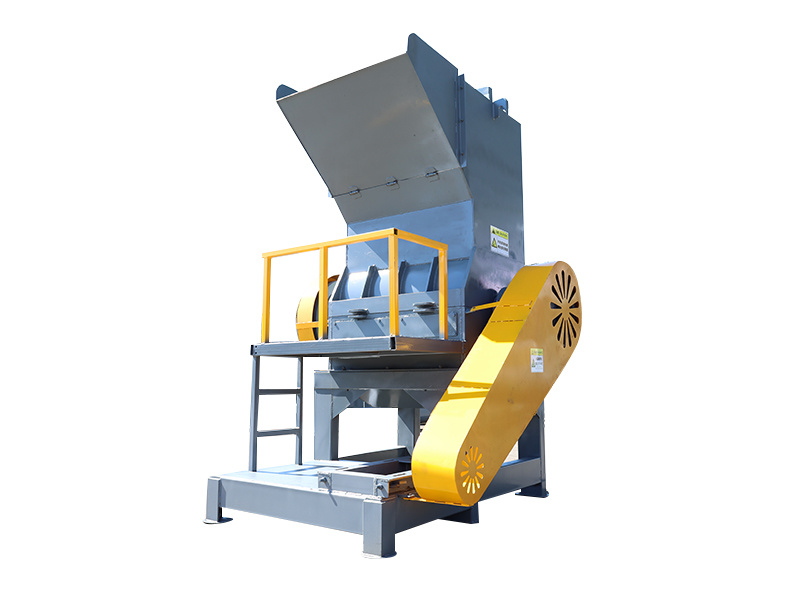
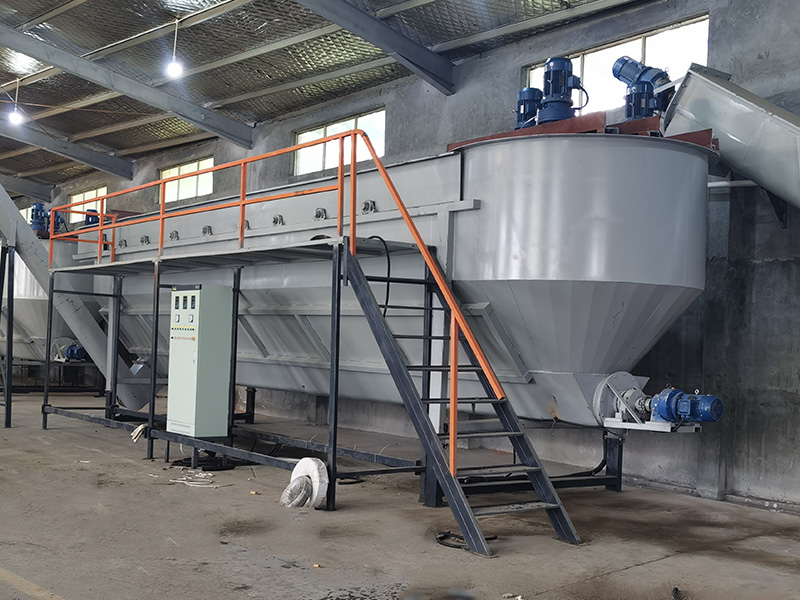
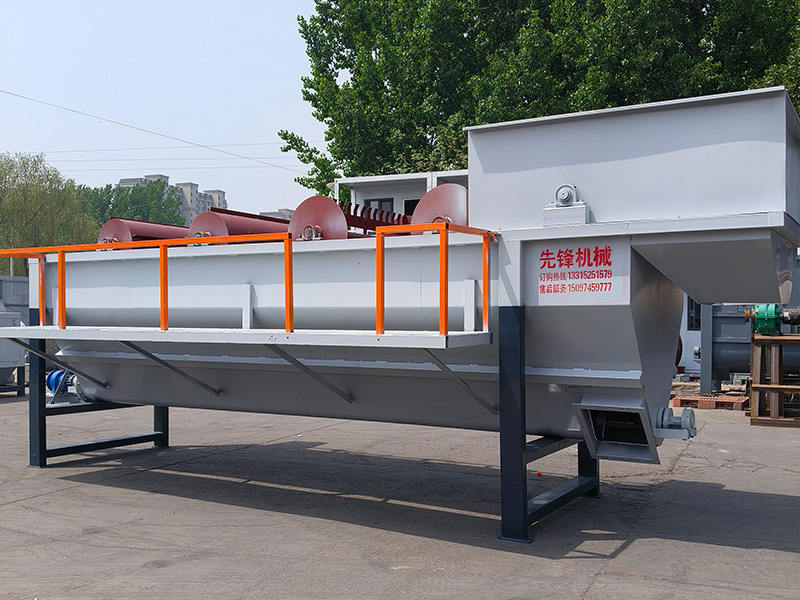
Delabeling machines are specialized equipment used to remove labels from plastic containers and products. They are crucial in recycling operations, as labels can obstruct the recycling process and lower the quality of recycled materials. Delabeling machines come in various designs and functionalities, adapted to handle different types of containers—be it PET bottles, jars, or other plastic products.
4. How Delabeling Machines Work
Understanding the mechanics of delabeling machines is key to appreciating their role in sustainable manufacturing. These machines typically employ several methods to efficiently remove labels from containers:
4.1 Mechanical Removal
Many delabeling machines utilize mechanical systems, such as brushes or scrapers, that physically strip away labels from containers. This method is effective for containers with adhesive labels.
4.2 Thermal Removal
Some machines use heat to loosen the adhesive on labels, making it easier to peel them away. This method is particularly useful for labels that are securely stuck or made of resilient materials.
4.3 Chemical Removal
For stubborn labels, chemical agents can be applied to dissolve adhesives. This method must be handled cautiously to ensure safety and compliance with environmental regulations.
5. Benefits of Delabeling Machines in Sustainable Manufacturing
The integration of delabeling machines into manufacturing processes offers numerous advantages that align with sustainability goals:
5.1 Improved Recycling Rates
By effectively removing labels, delabeling machines enhance the quality of recycled materials. This leads to increased recycling rates and reduces the volume of waste sent to landfills.
5.2 Cost-Effectiveness
Investing in delabeling technology can lead to long-term cost savings. By improving the efficiency of the recycling process, manufacturers can reduce waste disposal costs and recover more value from recycled materials.
5.3 Enhanced Product Quality
Materials that have been properly delabeled are more suitable for recycling, leading to higher-quality end products. This can improve market competitiveness for manufacturers who rely on recycled materials.
5.4 Compliance with Regulations
Delabeling machines help manufacturers meet regulatory requirements concerning waste management and recycling, ensuring they operate within legal frameworks while promoting sustainability.
5.5 Contribution to Circular Economy
By facilitating the recycling of plastic materials, delabeling machines support the concept of a circular economy, where resources are reused and recycled rather than discarded.
6. Case Studies of Successful Delabeling Implementations
Examining real-world applications of delabeling machines provides insight into their effectiveness and innovation in sustainable manufacturing. Here are a few notable case studies:
6.1 Case Study 1: Beverage Industry
A leading beverage manufacturer implemented delabeling machines in its plastic bottle recycling process. This initiative led to a 30% increase in recycling efficiency, significantly reducing operational costs and minimizing the environmental footprint.
6.2 Case Study 2: Food Packaging
A food packaging company adopted delabeling technology to improve the recyclability of its containers. By removing labels efficiently, the company enhanced the quality of the recycled material and achieved compliance with evolving regulations.
6.3 Case Study 3: Cosmetics Industry
In the cosmetics sector, a major player integrated delabeling machines to ensure that its packaging was fully recyclable. This decision not only boosted its sustainability credentials but also attracted environmentally conscious customers.
7. The Future of Delabeling Technology and Sustainable Manufacturing
As the demand for sustainable practices evolves, so too will delabeling technology. Anticipated trends in this field include:
7.1 Automation and AI Integration
The incorporation of automation and artificial intelligence in delabeling machines will enhance efficiency and accuracy in label removal processes, leading to further cost savings and improved recycling quality.
7.2 Innovative Materials
Research into new, more easily recyclable materials could reduce reliance on traditional plastics. Delabeling machines will need to adapt to effectively handle these materials as they become more prevalent.
7.3 Enhanced Regulatory Frameworks
As governments tighten regulations on waste management and plastic use, delabeling machines will play a crucial role in helping manufacturers comply with new standards and contribute to a more sustainable manufacturing landscape.
8. Frequently Asked Questions
8.1 What materials can delabeling machines process?
Delabeling machines can process a variety of plastic containers, including PET bottles, glass jars, and other packaging materials with labels.
8.2 How do delabeling machines enhance the recycling process?
By removing labels, delabeling machines prevent contamination of recycled materials, leading to higher quality and more valuable end products.
8.3 What are the operational costs associated with delabeling machines?
Operational costs can vary depending on the machine's capacity and technology, but they often lead to long-term savings through improved recycling efficiencies.
8.4 Can delabeling machines handle different types of adhesives?
Yes, many delabeling machines are versatile and can effectively remove various types of adhesives, including those that are difficult to peel off.
8.5 Are there any environmental concerns related to delabeling machines?
When used correctly, delabeling machines contribute positively to sustainability efforts by enhancing recycling rates and reducing waste. However, it's essential to ensure that any chemicals used for removal are environmentally safe.
9. Conclusion
Delabeling machines represent a significant advancement in sustainable manufacturing practices. By improving recycling processes, reducing waste, and promoting eco-friendly solutions, these machines are becoming indispensable in the quest for a greener future. As manufacturers strive to meet the demands of environmentally conscious consumers and comply with evolving regulations, delabeling technology will play a critical role in their success. Embracing these innovations not only benefits the planet but also enhances operational efficiency and profitability. Investing in delabeling solutions is a step toward a more sustainable manufacturing landscape, fostering a circular economy that prioritizes resource conservation and environmental stewardship.
TAG:
Contact Us
E-mail :
Phone/WhatsApp:
Address:
Shunping, Baoding City, Hebei Province


