
-
About Us

The Impact of Rinsing Hot Washing Tanks on Production Workflow
The Impact of Rinsing Hot Washing Tanks on Production Workflow
Table of Contents
1. Introduction to Hot Washing Tanks
2. Importance of Rinsing Hot Washing Tanks
3. The Role of Washing Tanks in Production Workflow
4. Effective Rinsing Techniques for Hot Washing Tanks
5. Impact of Rinsing on Production Efficiency
6. Rinsing and Its Influence on Product Quality
7. Reducin
Dec 13,2025
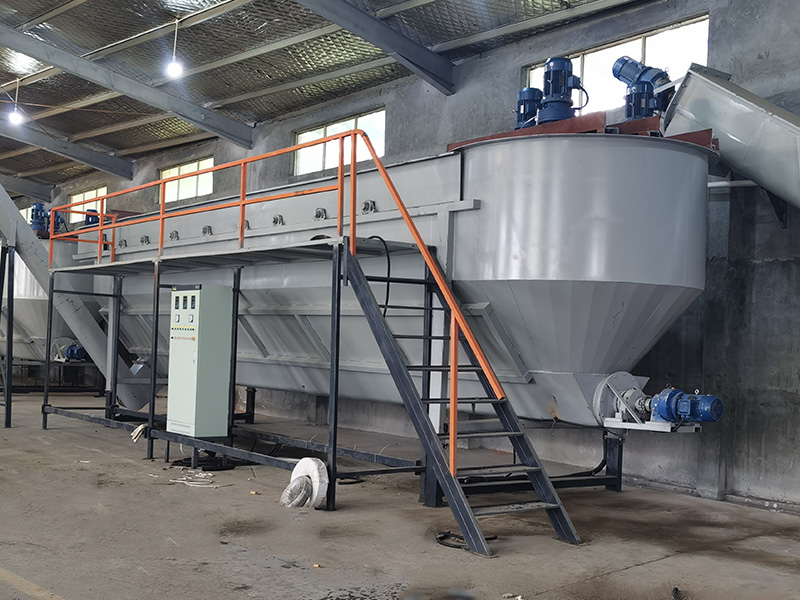
The Impact of Rinsing Hot Washing Tanks on Production Workflow
Table of Contents
- 1. Introduction to Hot Washing Tanks
- 2. Importance of Rinsing Hot Washing Tanks
- 3. The Role of Washing Tanks in Production Workflow
- 4. Effective Rinsing Techniques for Hot Washing Tanks
- 5. Impact of Rinsing on Production Efficiency
- 6. Rinsing and Its Influence on Product Quality
- 7. Reducing Downtime Through Effective Rinsing
- 8. Case Studies: Rinsing Hot Washing Tanks in Action
- 9. Frequently Asked Questions
- 10. Conclusion
1. Introduction to Hot Washing Tanks
Hot washing tanks play a pivotal role in the manufacturing and processing machinery sector. These tanks are essential for cleaning various components, ensuring they are free from contaminants before they proceed to the next stage of production. By maintaining a high standard of cleanliness, hot washing tanks contribute significantly to the efficacy of the overall production process.
2. Importance of Rinsing Hot Washing Tanks
Rinsing hot washing tanks is not merely a procedural formality; it is a critical process that directly impacts production workflow. Proper rinsing ensures that any residual cleaning agents, contaminants, or particulate matter are effectively removed. This step is vital in preventing cross-contamination and ensuring a clean working environment.
The Consequences of Inadequate Rinsing
Failing to properly rinse hot washing tanks can lead to several adverse outcomes, such as:
- Contaminated products
- Increased waste and rework
- Downtime due to cleaning and quality checks
- Compromised equipment longevity
3. The Role of Washing Tanks in Production Workflow
The production workflow in manufacturing environments is complex and requires each process to seamlessly integrate with the next. Washing tanks serve as a crucial link in this workflow.
Integration with Other Production Stages
Hot washing tanks feed directly into subsequent processes such as drying, machining, or coating. A failure in the washing stage can cause bottlenecks, delaying downstream operations. Therefore, it is imperative that rinsing procedures are efficient and effective.
4. Effective Rinsing Techniques for Hot Washing Tanks
Employing the right rinsing techniques is essential for maximizing the efficacy of hot washing tanks. Here are some methods that can enhance the rinsing process:
Counterflow Rinsing
Counterflow rinsing involves the use of fresh water that flows in the opposite direction of the contaminated water. This technique maximizes the removal of residues and ensures cleaner components.
Spray Rinsing
Utilizing spray nozzles can significantly enhance rinsing efficiency. By creating a fine mist, spray rinsing can reach difficult areas, ensuring a thorough clean.
Temperature Control
Maintaining the optimal temperature during rinsing can improve the solubility of cleaning agents and enhance the overall rinsing efficacy. Warm water is generally more effective than cold water in removing residues.
5. Impact of Rinsing on Production Efficiency
The efficiency of a manufacturing operation is closely tied to the effectiveness of its rinsing practices.
Minimizing Production Delays
Inadequate rinsing can cause significant production delays due to the need for additional cleaning or quality assurance checks. By implementing robust rinsing procedures, manufacturers can reduce time spent on these processes and improve overall throughput.
Streamlining Operations
Integrating efficient rinsing techniques into the workflow allows for a smoother transition between stages of production. This reduces the risk of bottlenecks and enhances the overall agility of the operation.
6. Rinsing and Its Influence on Product Quality
Product quality is paramount in manufacturing, and rinsing hot washing tanks is a crucial factor in ensuring quality control.
Eliminating Residual Contaminants
Residual contaminants from the washing process can have a detrimental effect on the quality of the final product. Effective rinsing ensures that these contaminants are removed, resulting in higher quality outputs that meet industry standards.
Consistency and Reliability
Implementing standardized rinsing protocols ensures consistency in product quality. This reliability fosters trust with clients and can lead to repeat business and referrals.
7. Reducing Downtime Through Effective Rinsing
Downtime is a significant concern for manufacturers, as it directly correlates to lost productivity and revenue.
Proactive Maintenance and Rinsing
Regular rinsing and maintenance of hot washing tanks can help identify potential issues before they become critical, effectively reducing unplanned downtime.
Scheduled Rinsing Protocols
Creating scheduled rinsing protocols can ensure that tanks are cleaned regularly, preventing the buildup of residues that could lead to lengthy cleaning sessions and production halts.
8. Case Studies: Rinsing Hot Washing Tanks in Action
Real-world examples illustrate the significant impact of rinsing practices on production workflows.
Case Study 1: Automotive Parts Manufacturer
An automotive parts manufacturer implemented a counterflow rinsing system and saw a 20% reduction in rework due to contamination, leading to improved production efficiency.
Case Study 2: Food Processing Facility
A food processing facility adopted a rigorous rinsing protocol which resulted in a marked decrease in product recalls, enhancing both safety and consumer trust.
9. Frequently Asked Questions
What is the ideal temperature for rinsing hot washing tanks?
The ideal temperature for rinsing is generally between 50°C to 60°C, which enhances the solubility of cleaning agents and improves rinsing effectiveness.
How can I determine if my rinsing process is effective?
Regular quality checks and contamination tests on your products can help determine the effectiveness of your rinsing process.
What are the common mistakes in rinsing hot washing tanks?
Common mistakes include inadequate rinsing time, using water that is too cold, and failing to clean spray nozzles regularly.
How often should hot washing tanks be rinsed?
Rinsing should be performed after each use or according to a scheduled maintenance plan to ensure optimal cleanliness.
Can rinsing techniques be automated?
Yes, many rinsing techniques can be integrated into automated systems to improve efficiency and consistency in the rinsing process.
10. Conclusion
In conclusion, rinsing hot washing tanks is an integral component of the production workflow in manufacturing and processing machinery. By understanding the significance of effective rinsing techniques, businesses can enhance their production efficiency, improve product quality, and reduce downtime. Investing in proper rinsing protocols not only boosts operational performance but also establishes a foundation for maintaining high standards in product integrity.
TAG:
PREVIOUS:
Contact Us
E-mail :
Phone/WhatsApp:
Address:
Shunping, Baoding City, Hebei Province


