
-
About Us

Understanding the Importance of Rinsing Hot Washing Tanks in Manufacturing Processes
In manufacturing processes involving crushing and sorting machinery, the cleanliness of equipment and materials is paramount. Rinsing hot washing tanks play a crucial role in maintaining this cleanliness, ensuring that contaminants do not compromise production quality. These tanks are designed to use heated water, often combined with detergents or other cleaning agents, to effectively rinse off re
Jul 24,2025
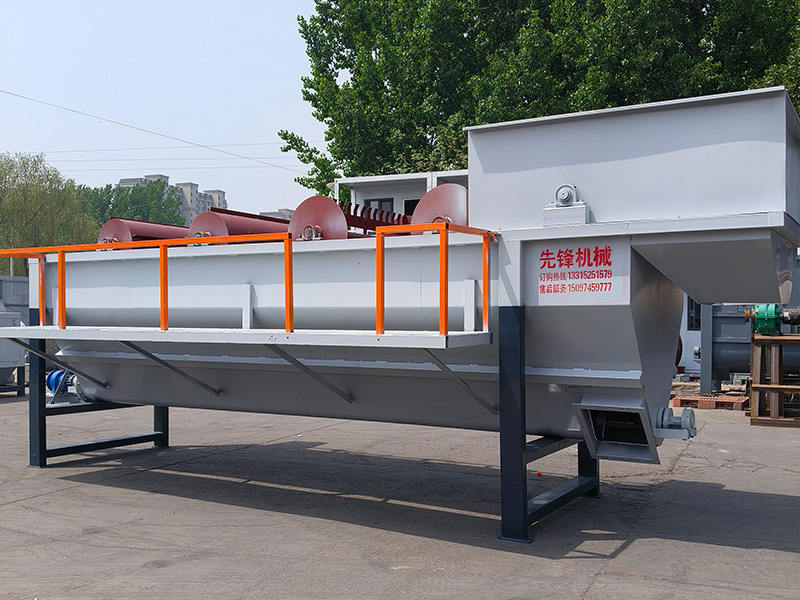
In manufacturing processes involving crushing and sorting machinery, the cleanliness of equipment and materials is paramount. Rinsing hot washing tanks play a crucial role in maintaining this cleanliness, ensuring that contaminants do not compromise production quality. These tanks are designed to use heated water, often combined with detergents or other cleaning agents, to effectively rinse off residues, dirt, and other particulates from machinery parts and materials.
The operation of a rinsing hot washing tank typically involves several stages: pre-washing, rinsing, and drying. During the pre-washing phase, items may be subjected to a preliminary rinse to remove large debris. The hot washing cycle utilizes heated water, which enhances the solubility of contaminants, allowing for thorough cleaning of surfaces. Finally, the drying phase ensures that no moisture remains, which is crucial to prevent rust and other forms of corrosion.
The temperature of the water in the rinsing hot washing tank is a critical factor. Higher temperatures can increase the effectiveness of cleaning agents, breaking down stubborn residues that cold water may not remove. However, it's essential to balance temperature with energy consumption and material compatibility; certain components may not withstand excessive heat.
In addition to enhancing cleaning efficiency, rinsing hot washing tanks can significantly impact the longevity of manufacturing equipment. Regular maintenance and proper use of these tanks can prolong the life of machinery by preventing the build-up of harmful residues that can lead to wear and tear. Implementing a systematic cleaning schedule that incorporates the use of rinsing hot washing tanks can enhance operational efficiency, reduce downtime, and ultimately lead to cost savings.
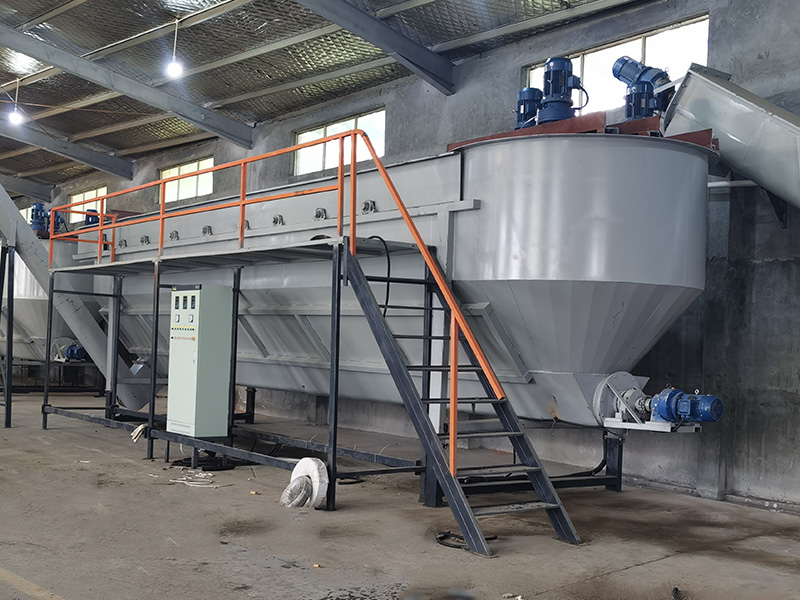
Moreover, the design and configuration of rinsing hot washing tanks should align with the specific needs of the manufacturing process. Factors such as tank capacity, heating elements, and the arrangement of spray nozzles should be considered to optimize performance. Customization may be necessary to accommodate different materials and production requirements.
In summary, rinsing hot washing tanks are an indispensable part of the manufacturing process in crushing and sorting machinery. By ensuring cleanliness, enhancing equipment longevity, and improving operational efficiency, these tanks contribute significantly to the overall productivity and success of manufacturing operations. For professionals in the industry, understanding the role of rinsing hot washing tanks can lead to better maintenance practices and improved production outcomes.
The operation of a rinsing hot washing tank typically involves several stages: pre-washing, rinsing, and drying. During the pre-washing phase, items may be subjected to a preliminary rinse to remove large debris. The hot washing cycle utilizes heated water, which enhances the solubility of contaminants, allowing for thorough cleaning of surfaces. Finally, the drying phase ensures that no moisture remains, which is crucial to prevent rust and other forms of corrosion.
The temperature of the water in the rinsing hot washing tank is a critical factor. Higher temperatures can increase the effectiveness of cleaning agents, breaking down stubborn residues that cold water may not remove. However, it's essential to balance temperature with energy consumption and material compatibility; certain components may not withstand excessive heat.
In addition to enhancing cleaning efficiency, rinsing hot washing tanks can significantly impact the longevity of manufacturing equipment. Regular maintenance and proper use of these tanks can prolong the life of machinery by preventing the build-up of harmful residues that can lead to wear and tear. Implementing a systematic cleaning schedule that incorporates the use of rinsing hot washing tanks can enhance operational efficiency, reduce downtime, and ultimately lead to cost savings.
Moreover, the design and configuration of rinsing hot washing tanks should align with the specific needs of the manufacturing process. Factors such as tank capacity, heating elements, and the arrangement of spray nozzles should be considered to optimize performance. Customization may be necessary to accommodate different materials and production requirements.
In summary, rinsing hot washing tanks are an indispensable part of the manufacturing process in crushing and sorting machinery. By ensuring cleanliness, enhancing equipment longevity, and improving operational efficiency, these tanks contribute significantly to the overall productivity and success of manufacturing operations. For professionals in the industry, understanding the role of rinsing hot washing tanks can lead to better maintenance practices and improved production outcomes.
TAG:
Contact Us
E-mail :
Phone/WhatsApp:
Address:
Shunping, Baoding City, Hebei Province


