
-
About Us

Optimizing Your Workflow with a Delabeling Machine: Elevate Efficiency in Plastic Processing
Optimizing Your Workflow with a Delabeling Machine: Elevate Efficiency in Plastic Processing
Table of Contents
Introduction: The Importance of Workflow Optimization
What is a Delabeling Machine?
The Benefits of Using Delabeling Machines in Plastic Processing
How Delabeling Machines Work
Integrating Delabeling Machines into Your Workflow
Common Challenges with Delabeling Ma
Feb 17,2026
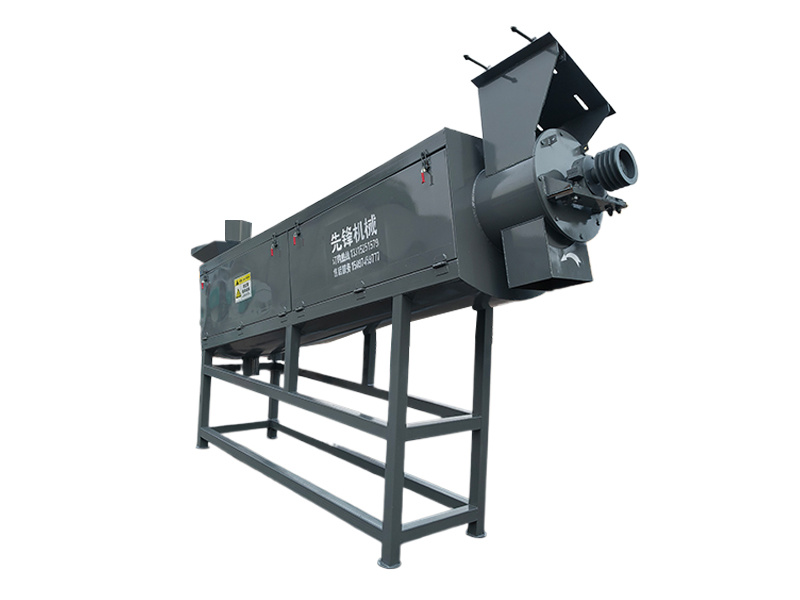
Optimizing Your Workflow with a Delabeling Machine: Elevate Efficiency in Plastic Processing
Table of Contents
- Introduction: The Importance of Workflow Optimization
- What is a Delabeling Machine?
- The Benefits of Using Delabeling Machines in Plastic Processing
- How Delabeling Machines Work
- Integrating Delabeling Machines into Your Workflow
- Common Challenges with Delabeling Machines and How to Overcome Them
- Case Studies and Success Stories
- Frequently Asked Questions (FAQs)
- Conclusion: The Future of Plastic Processing with Delabeling Machines
Introduction: The Importance of Workflow Optimization
In the fast-paced world of **plastic processing**, optimizing your workflow is crucial to maintaining a competitive edge. As manufacturers strive for efficiency, reducing downtime and improving the quality of end products becomes paramount. One innovative solution to this challenge is the **delabeling machine**. This machine streamlines the process of removing labels from plastic containers, significantly enhancing operational efficiency. In this article, we will explore how delabeling machines can transform your workflow, leading to increased productivity and cost savings.
What is a Delabeling Machine?
A **delabeling machine** is a specialized piece of equipment designed to remove labels from various plastic containers, such as bottles and jars. These machines are crucial in recycling and reprocessing operations, where the purity of the plastic material is essential for creating high-quality recycled products. Delabeling machines operate by using a combination of mechanical and chemical processes to effectively strip labels without damaging the underlying plastic.
Types of Delabeling Machines
There are several types of delabeling machines available, each tailored to specific needs and materials. Some common types include:
- **Mechanical Delabelers**: Utilize blades or brushes to mechanically remove labels.
- **Chemical Delabelers**: Employ solvents to dissolve adhesive on labels, making removal easier.
- **Combination Machines**: Integrate both mechanical and chemical processes for enhanced efficiency.
The Benefits of Using Delabeling Machines in Plastic Processing
Integrating delabeling machines into your plastic processing workflow offers numerous advantages that can significantly improve operational performance.
1. Improved Recycling Quality
Removing labels ensures that the recycled plastic is free from contaminants, which is vital for producing high-quality recycled materials. Clean plastic is easier to process and yields better final products.
2. Enhanced Efficiency
Delabeling machines automate the labor-intensive task of label removal, significantly speeding up the processing time. This automation minimizes manual handling and allows staff to focus on other critical tasks.
3. Cost Savings
By increasing operational efficiency and improving recycling quality, businesses can save on material costs and waste disposal fees. The initial investment in a delabeling machine often pays off through long-term savings.
4. Environmentally Friendly Practices
Utilizing delabeling machines supports sustainability efforts by enhancing the recycling process and reducing landfill contributions. This aligns with the growing consumer demand for eco-friendly manufacturing practices.
5. Versatility
Delabeling machines can handle various container shapes and sizes, making them adaptable to different manufacturing environments. This versatility allows companies to process a wider range of materials.
How Delabeling Machines Work
Understanding the operational mechanics of delabeling machines is essential for maximizing their effectiveness. Here’s a breakdown of the typical processes involved:
1. Feed System
Containers are fed into the delabeling machine through a conveyor system. This system ensures a steady flow of materials for continuous operation.
2. Label Removal Mechanism
Once the containers are in position, the machine engages its label removal mechanism, which can be mechanical, chemical, or a combination of both. This step is critical for ensuring that labels are thoroughly removed without damaging the underlying plastic.
3. Collection System
After labels are removed, the clean plastic containers are directed into a collection area, while removed labels and adhesive residues are channeled into separate waste bins for proper disposal or recycling.
4. Quality Control
Many modern delabeling machines include built-in quality control features that inspect the processed containers for any remaining labels, ensuring the highest quality standards are met before the recycling process continues.
Integrating Delabeling Machines into Your Workflow
Successfully incorporating delabeling machines into your existing workflow requires careful planning and consideration.
1. Assess Your Needs
Evaluate your current workflow to identify areas where label removal causes bottlenecks. Understanding your specific requirements will help in selecting the right delabeling machine for your operation.
2. Choose the Right Equipment
Research different delabeling machines available on the market. Consider factors such as processing capacity, type of labels commonly used, and compatibility with your existing equipment.
3. Train Your Staff
Ensure that your team is properly trained on the operation and maintenance of the delabeling machine. This training will minimize errors and maximize efficiency.
4. Monitor Performance
After integration, continually monitor the performance of the delabeling machine. Gathering data on processing times, downtime, and quality control will help in making informed adjustments to optimize workflow further.
Common Challenges with Delabeling Machines and How to Overcome Them
While delabeling machines offer significant benefits, they can also present challenges that need to be addressed.
1. Equipment Maintenance
Regular maintenance is crucial to ensure the longevity and efficiency of delabeling machines. Develop a comprehensive maintenance schedule to identify and address potential issues before they lead to costly downtime.
2. Initial Cost
The upfront investment in a delabeling machine can be substantial. However, the long-term savings and efficiency gains often outweigh these initial costs. Consider financing options or leasing to ease the financial burden.
3. Adhesive Residues
Some labels may leave adhesive residues even after removal. Implement a thorough quality control process to identify any residues and make necessary adjustments to the delabeling process.
4. Staff Resistance to Change
Introducing new technology can sometimes meet resistance from staff. To overcome this, emphasize the benefits of delabeling machines on overall workflow and job satisfaction, focusing on the reduced manual labor required.
Case Studies and Success Stories
To illustrate the effectiveness of delabeling machines, let’s examine a few case studies demonstrating successful implementations.
1. Case Study: Beverage Manufacturer
A leading beverage manufacturer faced challenges with label contamination during the recycling process. By integrating a delabeling machine, they enhanced their recycling quality, reducing contamination rates from 15% to 2%. This improvement not only boosted their recycling efficiency but also lowered material costs significantly.
2. Case Study: Packaging Company
A packaging company struggled with slow processing times due to manual label removal. After adopting a delabeling machine, their processing speed increased by 50%, allowing them to take on more contracts and ultimately increasing revenue.
Frequently Asked Questions (FAQs)
1. What types of labels can delabeling machines remove?
Delabeling machines are designed to remove a wide range of labels, including paper, plastic, and adhesive-based labels.
2. Are delabeling machines suitable for all plastic types?
Yes, delabeling machines can process various plastic types, although it’s essential to ensure compatibility with your specific materials.
3. How much maintenance do delabeling machines require?
Regular maintenance is necessary to keep delabeling machines operating efficiently. It is advisable to follow the manufacturer’s guidelines for maintenance schedules.
4. Can delabeling machines handle large volumes of containers?
Most delabeling machines are designed to handle high volumes, making them suitable for large-scale manufacturing operations.
5. What are the typical costs associated with delabeling machines?
Costs can vary significantly based on the machine's capabilities and features. It is essential to evaluate the specific needs of your operation when considering budget.
Conclusion: The Future of Plastic Processing with Delabeling Machines
Incorporating a delabeling machine into your plastic processing workflow can lead to significant enhancements in efficiency, quality, and sustainability. As the demand for high-quality recycled plastics grows, businesses must adapt to stay competitive. By embracing technology such as delabeling machines, manufacturers can streamline their operations and contribute to a more sustainable future in plastic processing. The journey toward optimization begins with making informed choices about equipment and processes, and delabeling machines represent a pivotal step in that direction.
TAG:
Contact Us
E-mail :
Phone/WhatsApp:
Address:
Shunping, Baoding City, Hebei Province


