
-
About Us

Optimizing Rinsing Hot Washing Tanks for Efficient Material Processing
In the manufacturing and processing industries, particularly in the realm of crushing and sorting machinery, the effective management of rinsing hot washing tanks is crucial for operational efficiency. Rinsing hot washing tanks play a vital role in the cleaning process of various materials and components, ensuring that they are free from contaminants that could impair subsequent processing stages.
Feb 20,2026
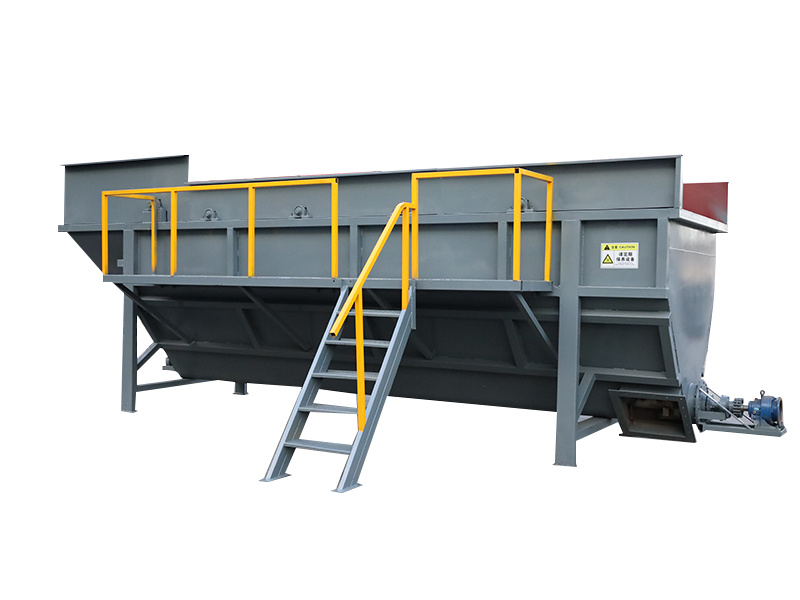
In the manufacturing and processing industries, particularly in the realm of crushing and sorting machinery, the effective management of rinsing hot washing tanks is crucial for operational efficiency. Rinsing hot washing tanks play a vital role in the cleaning process of various materials and components, ensuring that they are free from contaminants that could impair subsequent processing stages.
One of the primary functions of a rinsing hot washing tank is to prepare materials for further handling or processing. It is essential to maintain optimal water temperatures and chemical concentrations in the tank to ensure that residues are effectively removed. The combination of heat and agitation promotes the breakdown of stubborn contaminants, thereby enhancing the overall cleaning process. Additionally, using hot water can significantly reduce the time needed for rinsing, leading to increased throughput in a manufacturing environment.
From a technical standpoint, the design of rinsing hot washing tanks should take into account several factors. The tank's size, heating element capacity, and water circulation system must be appropriately selected based on the type and volume of materials being processed. Effective water circulation helps prevent the accumulation of dirt and ensures even heating. Moreover, incorporating filtration systems can further enhance cleaning efficiency by removing particulate matter from the water, thereby preventing recontamination of cleaned materials.
Another important consideration is the maintenance of rinsing hot washing tanks. Regular inspections and cleaning of the tanks themselves are necessary to ensure that they continue to operate efficiently. Accumulated residues can lead to reduced cleaning efficiency and even equipment damage over time. Implementing a routine maintenance schedule that includes checks on heating elements, circulation pumps, and filtration systems can help prolong the life of the equipment and maintain optimal performance levels.
Industry professionals should also be aware of the environmental implications of rinsing processes. The disposal of rinse water must comply with local regulations, especially if chemicals are used in the cleaning process. Investing in water recycling systems can not only mitigate environmental impacts but also reduce operational costs associated with water usage.
In conclusion, effective rinsing hot washing tanks are a critical component in the manufacturing and processing machinery sector, particularly in crushing and sorting operations. By focusing on optimal design, maintenance, and environmental responsibility, companies can enhance their operational efficiency and product quality.
One of the primary functions of a rinsing hot washing tank is to prepare materials for further handling or processing. It is essential to maintain optimal water temperatures and chemical concentrations in the tank to ensure that residues are effectively removed. The combination of heat and agitation promotes the breakdown of stubborn contaminants, thereby enhancing the overall cleaning process. Additionally, using hot water can significantly reduce the time needed for rinsing, leading to increased throughput in a manufacturing environment.
From a technical standpoint, the design of rinsing hot washing tanks should take into account several factors. The tank's size, heating element capacity, and water circulation system must be appropriately selected based on the type and volume of materials being processed. Effective water circulation helps prevent the accumulation of dirt and ensures even heating. Moreover, incorporating filtration systems can further enhance cleaning efficiency by removing particulate matter from the water, thereby preventing recontamination of cleaned materials.
Another important consideration is the maintenance of rinsing hot washing tanks. Regular inspections and cleaning of the tanks themselves are necessary to ensure that they continue to operate efficiently. Accumulated residues can lead to reduced cleaning efficiency and even equipment damage over time. Implementing a routine maintenance schedule that includes checks on heating elements, circulation pumps, and filtration systems can help prolong the life of the equipment and maintain optimal performance levels.
Industry professionals should also be aware of the environmental implications of rinsing processes. The disposal of rinse water must comply with local regulations, especially if chemicals are used in the cleaning process. Investing in water recycling systems can not only mitigate environmental impacts but also reduce operational costs associated with water usage.
In conclusion, effective rinsing hot washing tanks are a critical component in the manufacturing and processing machinery sector, particularly in crushing and sorting operations. By focusing on optimal design, maintenance, and environmental responsibility, companies can enhance their operational efficiency and product quality.
TAG:
Contact Us
E-mail :
Phone/WhatsApp:
Address:
Shunping, Baoding City, Hebei Province


