
-
About Us

The Importance of Ton Packers in Efficient Waste Management
Mar 31,2026
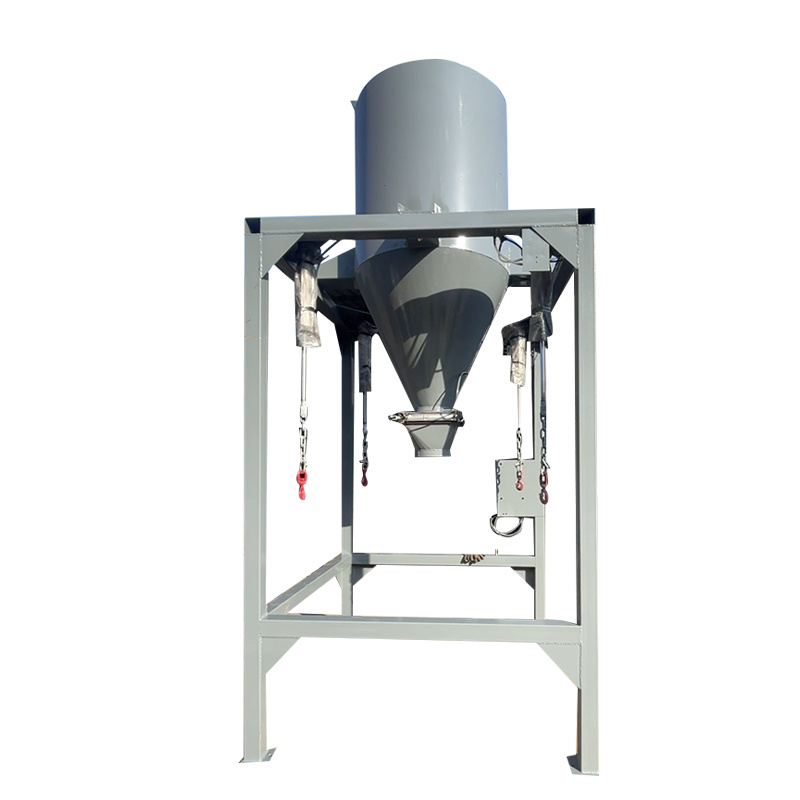
The Importance of Ton Packers in Efficient Waste Management
In an era where environmental sustainability and efficient waste management are paramount, the role of ton packers has become increasingly significant. These machines are not merely tools; they are pivotal in optimizing waste disposal, reducing costs, and supporting a cleaner planet. This article delves deep into the essential functions of ton packers, their advantages in waste management, and how they contribute to overall operational efficiency.
Understanding Ton Packers
Ton packers are specialized machines designed to compress waste materials into manageable sizes, facilitating efficient transportation and disposal. They utilize hydraulic systems to exert extreme pressure on waste, effectively transforming large volumes into compact bales. This not only maximizes space but also minimizes the number of trips required for disposal, significantly cutting down on transportation costs.
The Mechanism of Ton Packers
Ton packers operate through a straightforward yet effective mechanism. Waste materials are loaded into the machine, where hydraulic cylinders apply force to compact the waste tightly. The compacted waste is then tied into bales, which can be easily handled and stored. This process involves several crucial components, including:
- Hydraulic Cylinders: Provide the necessary force for compacting waste.
- Control Systems: Allow operators to monitor and adjust the compression process.
- Bale Ejectors: Facilitate the easy removal of compacted bales.
Types of Waste Suitable for Ton Packers
Ton packers can handle various types of waste, making them versatile tools in different sectors. Some of the common waste materials suitable for ton packers include:
- Municipal Solid Waste: Household refuse that can be compacted for landfill disposal.
- Industrial Waste: By-products from manufacturing processes that require efficient disposal strategies.
- Construction Debris: Materials from construction sites, including wood, metal, and concrete.
- Recyclable Materials: Such as plastics and paper that can be compacted for recycling.
Advantages of Using Ton Packers in Waste Management
Implementing ton packers in waste management processes offers numerous advantages that enhance operational efficiency and sustainability. Here are some key benefits:
1. Space Optimization
One of the most significant advantages of ton packers is their ability to optimize storage space. By compacting waste into bales, they reduce the volume of waste substantially, allowing businesses to store more waste in a smaller area. This is particularly crucial for facilities with limited space, such as urban environments.
2. Cost Reduction
Transporting waste can be costly, especially when dealing with large volumes. By compacting waste, ton packers enable companies to reduce the number of trips needed for disposal. This not only cuts fuel costs but also minimizes labor expenses associated with handling waste.
3. Environmental Benefits
Ton packers play a vital role in promoting environmental sustainability. By reducing the frequency of waste transport, they lower the carbon footprint associated with waste disposal. Additionally, compacted waste is easier to recycle, contributing to a greener planet.
4. Improved Safety and Hygiene
Handling loose waste can pose safety and hygiene risks. Ton packers minimize these risks by compacting waste into manageable bales, reducing the likelihood of spills, odors, and pest infestations. This results in a safer working environment for employees.
Applications of Ton Packers in Various Industries
Ton packers find applications across numerous industries, each benefiting from their ability to streamline waste management processes. Below are some key sectors utilizing ton packers:
1. Manufacturing
The manufacturing sector generates vast amounts of waste, from packaging materials to defective products. Ton packers help manufacturers efficiently manage this waste, ensuring compliance with environmental regulations while maximizing recycling efforts.
2. Construction
Construction sites produce a variety of debris, including concrete, wood, and metals. Ton packers facilitate the efficient disposal of this waste, allowing construction companies to maintain a clean and safe worksite while adhering to waste management regulations.
3. Municipal Waste Management
Municipalities benefit significantly from ton packers in their waste management programs. By compacting residential waste, they can streamline collection processes and reduce landfill costs, thereby improving overall community waste management strategies.
4. Recycling Facilities
Recycling facilities rely on ton packers to manage incoming recyclable materials. By compacting these materials, they can reduce storage space and facilitate easier transportation to processing plants, enhancing the efficiency of recycling operations.
Factors to Consider When Choosing a Ton Packer
Selecting the right ton packer for your operations is crucial for maximizing efficiency. Here are some factors to consider:
1. Waste Type
Different ton packers are designed for specific types of waste. Assess the types of materials you will be handling to ensure you choose a machine that meets your needs.
2. Compression Ratio
The compression ratio indicates how much the machine can reduce the volume of waste. A higher compression ratio often leads to better space savings and cost efficiency.
3. Size and Capacity
Consider the size and capacity of the ton packer in relation to your waste generation. A machine that is too small may require frequent emptying, while an oversized machine may lead to unnecessary costs.
4. Maintenance Requirements
Evaluate the maintenance needs of the ton packer. Some machines require more regular maintenance than others, impacting long-term operational costs.
Maintenance Best Practices for Ton Packers
To ensure the longevity and efficiency of ton packers, regular maintenance is essential. Here are some best practices:
1. Regular Inspections
Conduct routine inspections to identify any wear and tear. This includes checking hydraulic systems, control panels, and mechanical components.
2. Lubrication
Ensure that all moving parts are adequately lubricated to prevent friction and wear, extending the life of the machine.
3. Cleaning
Keep the machine clean from waste residue, which can lead to malfunctions over time. Regular cleaning also enhances safety and hygiene.
4. Professional Servicing
Schedule professional servicing at regular intervals to address any potential issues before they become significant problems. This proactive approach can save on costly repairs.
Future Trends in Waste Management and Ton Packers
As waste management continues to evolve, several trends are emerging that will impact the use of ton packers:
1. Automation and Smart Technology
The integration of automation and smart technology is likely to enhance the efficiency of ton packers. IoT devices can monitor performance metrics, allowing operators to make data-driven decisions that improve efficiency.
2. Enhanced Recycling Processes
As recycling becomes increasingly important, ton packers will need to adapt to handle more recyclable materials. Innovations in compaction technology may also allow for better sorting capabilities.
3. Sustainability Initiatives
With growing concerns about environmental sustainability, ton packers will play a crucial role in facilitating greener waste management practices, such as composting and zero-waste initiatives.
Frequently Asked Questions (FAQs)
1. What is the primary function of a ton packer?
The primary function of a ton packer is to compress waste materials into compact bales, optimizing space and reducing transportation costs.
2. Can ton packers handle hazardous waste?
While some ton packers can handle specific types of hazardous waste, it is essential to consult the manufacturer’s guidelines and local regulations before doing so.
3. How does a ton packer reduce operational costs?
By compacting waste, ton packers reduce the number of trips required for disposal, leading to lower transportation costs and improved labor efficiency.
4. What maintenance is required for ton packers?
Regular inspections, lubrication of moving parts, cleaning, and professional servicing are essential for maintaining ton packers effectively.
5. Are there different sizes of ton packers available?
Yes, ton packers come in various sizes and capacities to accommodate different waste volumes and types, ensuring businesses can select the right machine for their needs.
Conclusion
The integration of ton packers into waste management processes signifies a pivotal advancement in how industries handle waste. Their ability to optimize space, reduce costs, and promote sustainability makes them invaluable tools in modern waste management. As technology continues to evolve, ton packers are likely to adapt to meet the changing needs of waste management, ensuring they remain at the forefront of efficient waste disposal solutions. Ultimately, investing in ton packers not only enhances operational efficiency but also contributes to a more sustainable future for our planet.
Contact Us
E-mail :
Phone/WhatsApp:
Address:
Shunping, Baoding City, Hebei Province


