
-
About Us

Understanding Delabeling Machines: Key Innovations in Plastic Processing
Delabeling machines are specialized devices designed to remove labels and adhesives from plastic containers and packaging materials. As the global focus on sustainability and recycling intensifies, these machines have emerged as essential components in the plastic processing sector. By effectively stripping products of their labels, delabeling machines facilitate the recycling process, allowing fo
Apr 03,2026
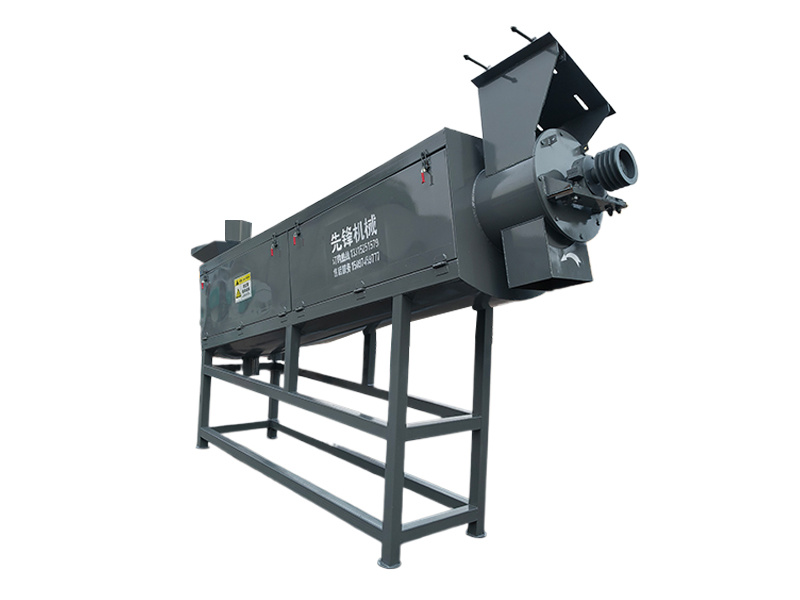
Delabeling machines are specialized devices designed to remove labels and adhesives from plastic containers and packaging materials. As the global focus on sustainability and recycling intensifies, these machines have emerged as essential components in the plastic processing sector. By effectively stripping products of their labels, delabeling machines facilitate the recycling process, allowing for the more efficient reclaiming of plastic materials.
In the plastic manufacturing and processing industry, delabeling machines play a significant role in ensuring high-quality recycling outcomes. When plastic products are recycled, impurities like labels can compromise the quality of the recycled material. Delabeling machines address this issue by utilizing various techniques to remove labels without damaging the underlying plastic. Common methods include mechanical scraping, water jetting, and chemical treatments, each offering unique advantages depending on the types of labels and adhesives present.
One of the primary benefits of delabeling machines is their ability to improve the efficiency of recycling processes. By automating the label removal process, these machines significantly reduce the labor required and increase the throughput of recyclable materials. Furthermore, they minimize the risk of contamination in recycled plastic, which is a critical factor in meeting the stringent quality standards set by manufacturers.
In addition to enhancing recycling efficiency, delabeling machines contribute to cost savings for businesses involved in plastic processing. By recovering and reprocessing clean plastic materials, companies can lower their production costs while also supporting environmentally friendly practices. This aligns with the growing consumer demand for sustainable products and can enhance a company's reputation in an increasingly eco-conscious marketplace.
The technological advancements in delabeling machines have led to the development of models that are more efficient, user-friendly, and capable of handling a wide variety of materials. Modern delabeling machines often feature programmable settings that allow operators to customize the machine's performance based on the specific type of label or adhesive being processed. This flexibility ensures optimal results and maximizes output.
Moreover, as regulations surrounding plastic waste become more stringent globally, the importance of delabeling machines is expected to grow. Businesses that invest in this technology will not only comply with regulations but also contribute positively to the circular economy by promoting the reuse and recycling of plastic materials.
In conclusion, delabeling machines are vital for the plastic processing industry, enhancing recycling efficiency, lowering costs, and supporting sustainable practices. As manufacturers continue to innovate and improve these machines, they will play an even more significant role in shaping the future of plastic recycling and processing.
In the plastic manufacturing and processing industry, delabeling machines play a significant role in ensuring high-quality recycling outcomes. When plastic products are recycled, impurities like labels can compromise the quality of the recycled material. Delabeling machines address this issue by utilizing various techniques to remove labels without damaging the underlying plastic. Common methods include mechanical scraping, water jetting, and chemical treatments, each offering unique advantages depending on the types of labels and adhesives present.
One of the primary benefits of delabeling machines is their ability to improve the efficiency of recycling processes. By automating the label removal process, these machines significantly reduce the labor required and increase the throughput of recyclable materials. Furthermore, they minimize the risk of contamination in recycled plastic, which is a critical factor in meeting the stringent quality standards set by manufacturers.
In addition to enhancing recycling efficiency, delabeling machines contribute to cost savings for businesses involved in plastic processing. By recovering and reprocessing clean plastic materials, companies can lower their production costs while also supporting environmentally friendly practices. This aligns with the growing consumer demand for sustainable products and can enhance a company's reputation in an increasingly eco-conscious marketplace.
The technological advancements in delabeling machines have led to the development of models that are more efficient, user-friendly, and capable of handling a wide variety of materials. Modern delabeling machines often feature programmable settings that allow operators to customize the machine's performance based on the specific type of label or adhesive being processed. This flexibility ensures optimal results and maximizes output.
Moreover, as regulations surrounding plastic waste become more stringent globally, the importance of delabeling machines is expected to grow. Businesses that invest in this technology will not only comply with regulations but also contribute positively to the circular economy by promoting the reuse and recycling of plastic materials.
In conclusion, delabeling machines are vital for the plastic processing industry, enhancing recycling efficiency, lowering costs, and supporting sustainable practices. As manufacturers continue to innovate and improve these machines, they will play an even more significant role in shaping the future of plastic recycling and processing.
TAG:
Contact Us
E-mail :
Phone/WhatsApp:
Address:
Shunping, Baoding City, Hebei Province


