
-
About Us

Maximizing Cleaning Efficiency with Rinsing Hot Washing Tanks: The Ultimate Guide
Maximizing Cleaning Efficiency with Rinsing Hot Washing Tanks
Table of Contents
1. Introduction
2. Understanding Cleaning Efficiency in Industrial Settings
3. The Importance of Hot Washing Tanks
4. How Rinsing Enhances Cleaning Efficiency
5. Best Practices for Rinsing Hot Washing Tanks
6. Technological Advancements in Hot Washing Tanks
7. Case Studies: Successful Imple
Apr 06,2026
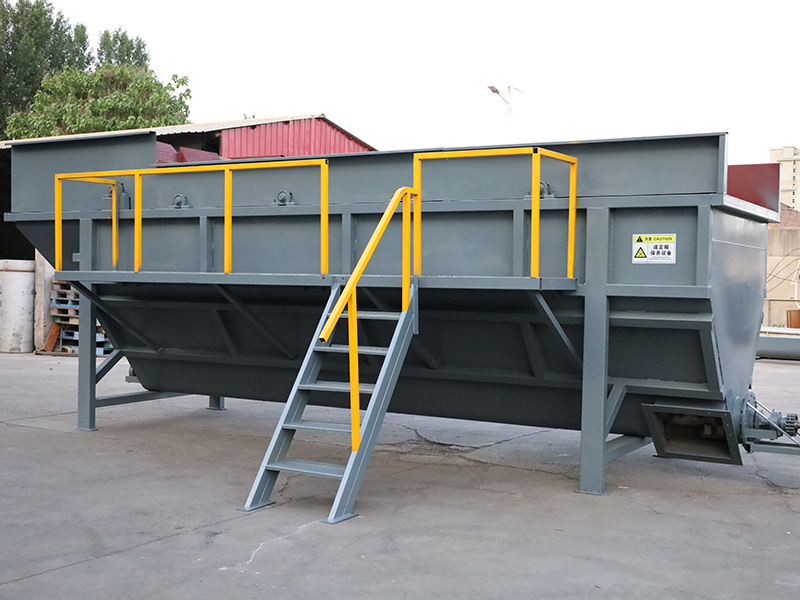
Maximizing Cleaning Efficiency with Rinsing Hot Washing Tanks
Table of Contents
- 1. Introduction
- 2. Understanding Cleaning Efficiency in Industrial Settings
- 3. The Importance of Hot Washing Tanks
- 4. How Rinsing Enhances Cleaning Efficiency
- 5. Best Practices for Rinsing Hot Washing Tanks
- 6. Technological Advancements in Hot Washing Tanks
- 7. Case Studies: Successful Implementations
- 8. Conclusion
- 9. FAQs
1. Introduction
Cleaning equipment and machinery in an industrial environment is a foundational aspect of operational efficiency. The methods and tools employed directly influence the productivity and safety of any manufacturing process. **Rinsing hot washing tanks** is a method that significantly enhances cleaning performance, ensuring thorough removal of contaminants from surfaces and machinery. In this guide, we aim to provide you with detailed insights and practices that will enable you to maximize cleaning efficiency in your operations.
2. Understanding Cleaning Efficiency in Industrial Settings
Cleaning efficiency refers to the effectiveness and speed with which cleaning processes can remove dirt, grime, grease, and other contaminants. In an industrial context, this efficiency is crucial for several reasons:
2.1 Impact on Production
Inefficient cleaning methods can lead to extended downtime, which directly affects production timelines. By implementing effective rinsing techniques, industries can reduce cleaning time significantly.
2.2 Equipment Longevity
Proper cleaning prolongs the life of machinery. Contaminants can cause wear and tear, leading to costly repairs or replacements. Ensuring that washing tanks are utilized effectively helps maintain equipment in optimal condition.
2.3 Compliance and Safety Standards
Many industries are governed by strict cleanliness and safety regulations. Rinsing hot washing tanks correctly ensures compliance with these regulations, thereby avoiding fines and enhancing workplace safety.
3. The Importance of Hot Washing Tanks
Hot washing tanks are integral to many cleaning processes in various industries, from food processing to manufacturing. Understanding their importance helps in optimizing their use for better cleaning outcomes.
3.1 Enhanced Cleaning Power
Using hot water in washing tanks increases the solubility of grease and oil, making it easier to emulsify and remove stubborn contaminants.
3.2 Energy Efficiency
Modern hot washing tanks are designed to maximize energy use, ensuring that cleaning processes are not only effective but also cost-efficient.
3.3 Versatility
These tanks can be used for a variety of cleaning applications, from parts washing to surface cleaning, making them a valuable asset in any industrial setting.
4. How Rinsing Enhances Cleaning Efficiency
Rinsing is a critical component of the cleaning process, especially when utilizing hot washing tanks. Here’s how rinsing enhances cleaning efficiency:
4.1 Removal of Residual Contaminants
Rinsing helps eliminate any residual dirt and cleaning agents that might remain after the initial washing process, ensuring that surfaces are clean and free of harmful substances.
4.2 Improved Results
A thorough rinse can significantly improve cleaning results by ensuring that all surfaces are uniformly cleaned, reducing the likelihood of spots and streaks.
4.3 Water Temperature Control
Utilizing hot water for rinsing not only aids in removing contaminants but also ensures that the surfaces dry more quickly, preventing the risk of re-soiling.
4.3.1 Optimal Temperature Settings
Identifying the optimal temperature for rinsing can further enhance efficiency. This can vary based on the type of contaminants and materials involved.
5. Best Practices for Rinsing Hot Washing Tanks
Implementing best practices can dramatically optimize the cleaning effectiveness of hot washing tanks. Here are some key practices:
5.1 Regular Maintenance
Regularly inspecting and maintaining hot washing tanks ensures they operate at peak performance, preventing breakdowns and inefficiencies.
5.2 Using the Right Cleaning Agents
Selecting appropriate cleaning agents that complement the rinsing process can significantly enhance cleaning results, ensuring that contaminants are effectively removed.
5.3 Proper Rinsing Technique
Utilizing the correct rinsing technique, including water pressure and angles, can ensure that all surfaces are thoroughly cleaned.
5.3.1 Pressure and Flow Rate
Adjusting the pressure and flow rate of the rinse water can optimize the removal of contaminants, depending on the specific cleaning task.
5.3.2 Rinsing Sequence
Establishing a systematic rinsing sequence can enhance efficiency, ensuring that hard-to-reach areas are adequately cleaned.
6. Technological Advancements in Hot Washing Tanks
The landscape of hot washing technology is ever-evolving. Leveraging the latest advancements can provide significant advantages:
6.1 Automation Features
Modern hot washing tanks often come equipped with automation features that streamline the washing and rinsing processes, minimizing human error and maximizing efficiency.
6.2 Smart Sensors
Smart sensors can monitor water quality, temperature, and cleaning agent concentration, making real-time adjustments to enhance cleaning efficiency.
6.3 Eco-Friendly Technologies
Innovative eco-friendly technologies help reduce water and energy consumption, aligning with sustainable practices without compromising cleaning quality.
7. Case Studies: Successful Implementations
Examining successful implementations of rinsing hot washing tanks can provide valuable insights into best practices and strategies:
7.1 Case Study 1: Food Processing Plant
A food processing plant integrated advanced rinsing techniques with hot washing tanks, resulting in a 30% reduction in cleaning time while maintaining compliance with health regulations.
7.2 Case Study 2: Automotive Manufacturing Facility
An automotive manufacturing facility utilized hot washing tanks to enhance the cleanliness of parts before assembly, vastly improving product quality and reducing defects.
8. Conclusion
Maximizing cleaning efficiency with rinsing hot washing tanks is not just about effective cleaning; it’s about enhancing overall operational performance. By understanding the importance of hot washing tanks, implementing best practices, and leveraging technological advancements, industries can achieve a cleaner, safer, and more productive environment. Ensuring that your cleaning processes are optimized not only boosts efficiency but also contributes to the longevity of your machinery and compliance with industry standards.
9. FAQs
9.1 What types of contaminants can hot washing tanks effectively remove?
Hot washing tanks are designed to handle a variety of contaminants, including grease, oil, dirt, and food residues.
9.2 How often should hot washing tanks be maintained?
Regular maintenance is recommended at least once a month, depending on usage frequency and the type of contaminants being cleaned.
9.3 Can rinsing hot washing tanks help in reducing water consumption?
Yes, optimizing the rinsing process can lead to reduced water usage by ensuring that cleaning is thorough on the first attempt, thereby minimizing the need for repeated rinsing.
9.4 Is it necessary to use specialized cleaning agents with hot washing tanks?
While not always necessary, using specialized cleaning agents can enhance the cleaning efficiency of hot washing tanks, especially for specific types of contaminants.
9.5 What is the ideal temperature for rinsing in hot washing tanks?
The ideal rinsing temperature depends on the cleaning application, but typically, temperatures between 140°F to 160°F (60°C to 70°C) are effective for most industrial cleaning processes.
TAG:
Contact Us
E-mail :
Phone/WhatsApp:
Address:
Shunping, Baoding City, Hebei Province


