
-
About Us

Exploring Advanced Features of Modern Delabeling Machines: Efficiency, Precision, and Innovation
Exploring Advanced Features of Modern Delabeling Machines
Table of Contents
1. Introduction to Delabeling Machines
2. The Importance of Delabeling in Plastic Processing
3. Advanced Features of Modern Delabeling Machines
3.1 Automated Systems for Enhanced Efficiency
3.2 Precision Engineering for Optimal Performance
3.3 Smart Technology Integration
3.4 Energy Effi
Sep 14,2025
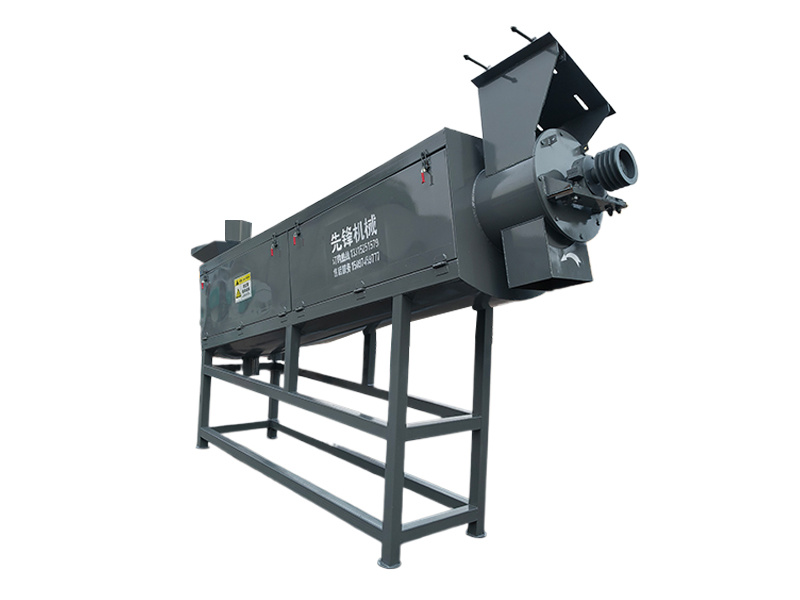
Exploring Advanced Features of Modern Delabeling Machines
Table of Contents
- 1. Introduction to Delabeling Machines
- 2. The Importance of Delabeling in Plastic Processing
- 3. Advanced Features of Modern Delabeling Machines
- 3.1 Automated Systems for Enhanced Efficiency
- 3.2 Precision Engineering for Optimal Performance
- 3.3 Smart Technology Integration
- 3.4 Energy Efficiency and Sustainability
- 4. Applications of Delabeling Machines in Various Industries
- 5. Future Trends in Delabeling Technology
- 6. Conclusion: The Future of Delabeling Machines
- 7. Frequently Asked Questions (FAQs)
1. Introduction to Delabeling Machines
In the realm of plastic processing, **delabeling machines** play a crucial role in preparing recycled materials for further use. These machines remove labels and other contaminants from plastic containers, ensuring that the recycled material is of the highest quality. Modern delabeling machines incorporate advanced technologies to enhance their efficiency, precision, and effectiveness in removing labels without damaging the underlying plastic. This article explores the sophisticated features that set today’s delabeling machines apart from their predecessors.
2. The Importance of Delabeling in Plastic Processing
Delabeling is an essential step in the recycling process for several key reasons:
- **Quality Control**: Removing labels ensures that the plastic is free from contaminants, which is vital for producing high-quality recycled products.
- **Cost Efficiency**: Efficient delabeling processes reduce the time and resources needed for recycling, making the entire operation more cost-effective.
- **Environmental Compliance**: With growing regulatory pressures regarding waste management, effective delabeling helps companies comply with environmental standards, promoting sustainability.
As industries increasingly prioritize sustainability, the demand for advanced delabeling machines continues to rise.
3. Advanced Features of Modern Delabeling Machines
Modern delabeling machines are equipped with a range of advanced features that enhance their operational capabilities.
3.1 Automated Systems for Enhanced Efficiency
Automation is at the forefront of modern delabeling technology. Automated systems streamline the delabeling process, significantly reducing manual labor and increasing throughput. Key benefits include:
- **Increased Throughput**: Automated delabeling machines can process a higher volume of materials in a shorter time frame, improving overall productivity.
- **Reduced Labor Costs**: By minimizing the need for manual intervention, companies can lower labor costs while reallocating human resources to other critical areas.
These automated systems often feature programmable logic controllers (PLCs) that provide precise control over the delabeling process, ensuring consistency and reliability.
3.2 Precision Engineering for Optimal Performance
Precision is critical in delabeling, as even minor errors can lead to damaged materials and increased waste. Modern delabeling machines utilize **precision engineering** techniques, which include:
- **Advanced Cutting Mechanisms**: Utilizing sharp, durable blades designed for various label types ensures that labels are removed cleanly without harming the underlying plastic.
- **Adjustable Settings**: Operators can fine-tune settings to accommodate different sizes and shapes of containers, ensuring optimal performance across a diverse range of materials.
The result is a more efficient delabeling process with minimal material loss.
3.3 Smart Technology Integration
The integration of **smart technologies** is a game-changer in the delabeling sector. These technologies include:
- **IoT Connectivity**: Internet of Things (IoT) features enable real-time monitoring and control of delabeling machines. Operators can track performance metrics, maintenance needs, and operational efficiency remotely.
- **Data Analytics**: Modern delabeling machines collect data that can be analyzed to optimize performance, predict maintenance needs, and identify areas for improvement. This data-driven approach enhances decision-making and operational efficiency.
Smart technology not only improves the efficiency of delabeling machines but also helps in predictive maintenance, reducing downtime.
3.4 Energy Efficiency and Sustainability
As sustainability becomes increasingly important, modern delabeling machines are designed with energy efficiency in mind. Features include:
- **Low Energy Consumption**: Advanced motors and energy-efficient components reduce power usage without sacrificing performance.
- **Eco-Friendly Materials**: Many manufacturers are focusing on using recyclable and sustainable materials in their machines, aligning with industry sustainability goals.
By investing in energy-efficient delabeling machines, companies can significantly reduce their carbon footprint while also benefiting from lower operational costs.
4. Applications of Delabeling Machines in Various Industries
Delabeling machines have diverse applications across multiple industries, including:
- **Food and Beverage Industry**: Containers from food and beverage products often have adhesive labels that must be removed before recycling. Modern delabeling machines are particularly effective in this sector, ensuring that materials are clean and suitable for reuse.
- **Consumer Goods Manufacturing**: Plastic packaging for consumer goods frequently requires delabeling to facilitate recycling processes, making these machines vital to manufacturers aiming for circular economy practices.
- **Pharmaceutical Industry**: Pharmaceuticals often use distinctive labels that must be removed to avoid contamination. Delabeling machines ensure compliance with strict regulatory requirements while maintaining high standards of cleanliness.
Understanding these applications helps manufacturers choose the right delabeling machine for their specific needs.
5. Future Trends in Delabeling Technology
The future of delabeling technology is poised for exciting advancements, including:
- **Enhanced Automation**: As technology continues to evolve, we expect to see even more sophisticated automation capabilities, such as robotic systems that integrate seamlessly with delabeling machines.
- **Artificial Intelligence (AI)**: AI could play a pivotal role in optimizing the delabeling process, enabling machines to learn from previous operations and improve efficiency over time.
- **Sustainability Innovations**: The push for sustainability will drive further innovation in delabeling machines, with a focus on reducing waste and energy consumption, promoting eco-friendly practices throughout the industry.
These trends indicate a promising future for delabeling technology, with continuous improvements aimed at enhancing efficiency and sustainability.
6. Conclusion: The Future of Delabeling Machines
In conclusion, advanced delabeling machines represent a significant leap forward in the plastic processing industry. With their **automation**, **precision engineering**, **smart technology integration**, and commitment to **energy efficiency**, these machines are essential for companies aiming to enhance their recycling processes and contribute to a more sustainable future. As technology continues to evolve, delabeling machines will undoubtedly become even more sophisticated, helping industries meet their operational and environmental goals.
7. Frequently Asked Questions (FAQs)
What is a delabeling machine?
A delabeling machine is a device designed to remove labels from plastic containers, ensuring that the material is clean for recycling.
Why is delabeling important in recycling?
Delabeling is crucial because it ensures that recycled materials are free from contaminants, which is essential for maintaining the quality of recycled products.
How does automation benefit delabeling machines?
Automation increases efficiency, reduces labor costs, and improves consistency in the delabeling process.
What industries use delabeling machines?
Delabeling machines are commonly used in the food and beverage, consumer goods manufacturing, and pharmaceutical industries.
What are the future trends in delabeling technology?
Future trends include enhanced automation, artificial intelligence integration, and innovations focused on sustainability and energy efficiency.
By understanding the advanced features and capabilities of modern delabeling machines, businesses can make informed decisions that enhance their plastic processing operations and contribute to a more sustainable future.
TAG:
Contact Us
E-mail :
Phone/WhatsApp:
Address:
Shunping, Baoding City, Hebei Province


