
-
About Us

Optimizing Plastic Processing Efficiency with Delabeling Machines
In the realm of plastic processing machinery, delabeling machines are becoming increasingly significant due to their ability to enhance efficiency and sustainability in manufacturing processes. A delabeling machine is specifically designed to remove labels, stickers, and other forms of adhesive materials from plastic containers and products. This is particularly important in recycling operations,
Sep 11,2025
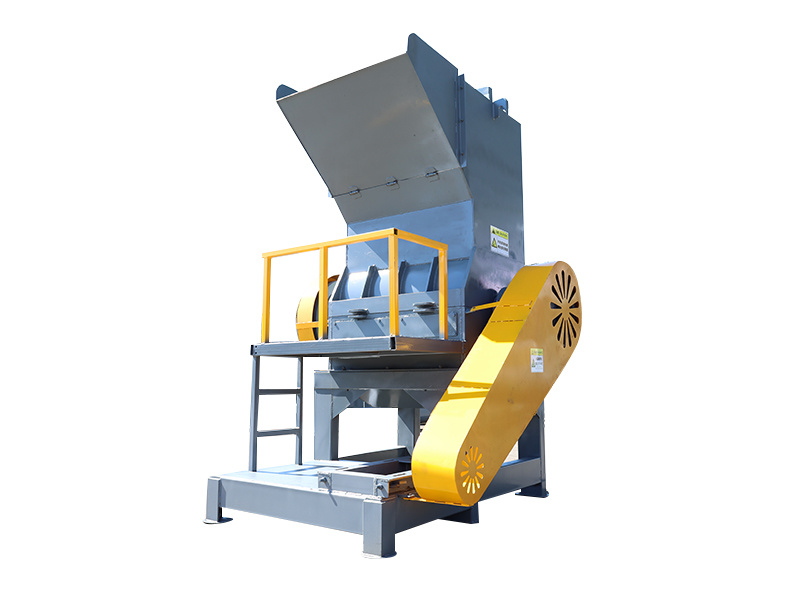
In the realm of plastic processing machinery, delabeling machines are becoming increasingly significant due to their ability to enhance efficiency and sustainability in manufacturing processes. A delabeling machine is specifically designed to remove labels, stickers, and other forms of adhesive materials from plastic containers and products. This is particularly important in recycling operations, where the presence of labels can contaminate the recyclables and hinder the recycling process.
One of the primary benefits of using a delabeling machine is its ability to improve the quality of recycled materials. Contaminants, such as adhesives and label residues, can negatively impact the integrity of recyclables. By efficiently removing these materials, delabeling machines ensure that the plastic being processed is purer, which in turn enhances the quality of the final recycled product. This is essential for manufacturers looking to meet strict recycling standards and for consumers who demand high-quality recycled products.
Moreover, delabeling machines contribute to operational efficiency. In traditional processes, manually removing labels can be time-consuming and labor-intensive, leading to increased operational costs. Delabeling machines automate this process, allowing for higher throughput and reducing labor requirements. This automation not only saves time but also minimizes the risk of human error, resulting in a more consistent and reliable operation.
In addition to operational benefits, delabeling machines also support environmental sustainability. By facilitating the recycling process, these machines help reduce the amount of plastic waste that ends up in landfills. This is crucial in the fight against plastic pollution, as recycling plays a vital role in conserving resources and minimizing environmental impact. Companies that utilize delabeling machines not only improve their operational efficiencies but also position themselves as responsible stewards of the environment.
Furthermore, advancements in technology have led to the development of more sophisticated delabeling machines that can handle a variety of plastic types and label materials. This versatility allows manufacturers to adopt these machines without extensive modifications to their existing processes. As the industry continues to evolve, investing in a delabeling machine can be a strategic decision that boosts a company’s competitive edge.
In conclusion, delabeling machines are an essential tool in the plastic processing industry, providing significant advantages in efficiency, product quality, and environmental impact. By understanding and investing in this technology, manufacturers can enhance their operations and contribute to a more sustainable future. As the demand for high-quality recycled materials continues to grow, the role of delabeling machines will undoubtedly become more prominent, making them a worthwhile consideration for any forward-thinking manufacturer.
One of the primary benefits of using a delabeling machine is its ability to improve the quality of recycled materials. Contaminants, such as adhesives and label residues, can negatively impact the integrity of recyclables. By efficiently removing these materials, delabeling machines ensure that the plastic being processed is purer, which in turn enhances the quality of the final recycled product. This is essential for manufacturers looking to meet strict recycling standards and for consumers who demand high-quality recycled products.
Moreover, delabeling machines contribute to operational efficiency. In traditional processes, manually removing labels can be time-consuming and labor-intensive, leading to increased operational costs. Delabeling machines automate this process, allowing for higher throughput and reducing labor requirements. This automation not only saves time but also minimizes the risk of human error, resulting in a more consistent and reliable operation.
In addition to operational benefits, delabeling machines also support environmental sustainability. By facilitating the recycling process, these machines help reduce the amount of plastic waste that ends up in landfills. This is crucial in the fight against plastic pollution, as recycling plays a vital role in conserving resources and minimizing environmental impact. Companies that utilize delabeling machines not only improve their operational efficiencies but also position themselves as responsible stewards of the environment.
Furthermore, advancements in technology have led to the development of more sophisticated delabeling machines that can handle a variety of plastic types and label materials. This versatility allows manufacturers to adopt these machines without extensive modifications to their existing processes. As the industry continues to evolve, investing in a delabeling machine can be a strategic decision that boosts a company’s competitive edge.
In conclusion, delabeling machines are an essential tool in the plastic processing industry, providing significant advantages in efficiency, product quality, and environmental impact. By understanding and investing in this technology, manufacturers can enhance their operations and contribute to a more sustainable future. As the demand for high-quality recycled materials continues to grow, the role of delabeling machines will undoubtedly become more prominent, making them a worthwhile consideration for any forward-thinking manufacturer.
TAG:
PREVIOUS:
Contact Us
E-mail :
Phone/WhatsApp:
Address:
Shunping, Baoding City, Hebei Province


