
-
About Us

Delabeling Machines: The Essential Solution for Optimizing Your Plastic Processing Line
Delabeling Machines: Key to Streamlining Your Plastic Processing Line
Introduction to Delabeling Machines
In the plastic processing industry, efficiency and cleanliness are paramount. One of the most significant challenges manufacturers face is the removal of labels from plastic containers and products. This is where **delabeling machines** come into play. These specialized machines help streamlin
Sep 08,2025
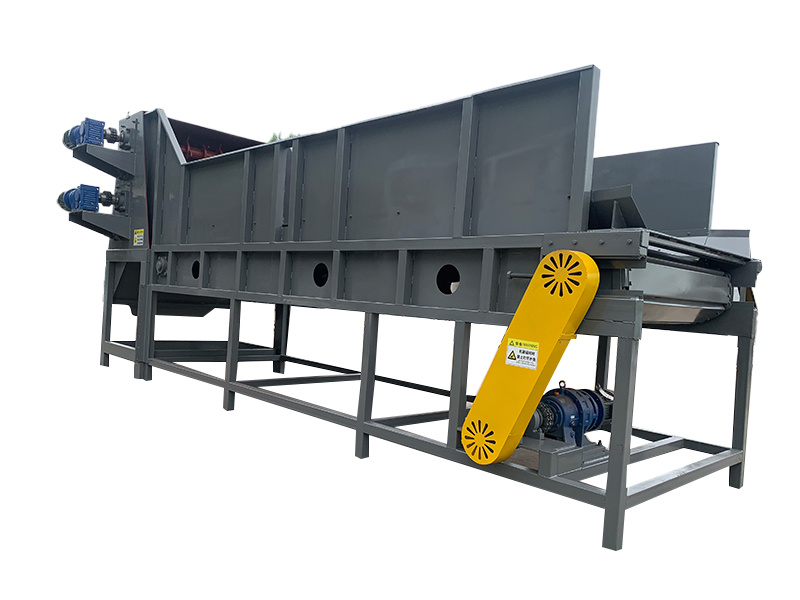
Delabeling Machines: Key to Streamlining Your Plastic Processing Line
Introduction to Delabeling Machines
In the plastic processing industry, efficiency and cleanliness are paramount. One of the most significant challenges manufacturers face is the removal of labels from plastic containers and products. This is where **delabeling machines** come into play. These specialized machines help streamline the recycling process by effectively removing labels, adhesives, and contaminants from plastic substrates. In this comprehensive guide, we will explore the various aspects of delabeling machines and how they can significantly enhance your plastic processing operations.
The Importance of Delabeling in Plastic Processing
Plastic materials often come with labels that can interfere with the recycling process. Labels made from paper, plastic, or metal can introduce contaminants that degrade the quality of recycled materials. Therefore, incorporating delabeling machines into your processing line is not just a choice but a necessity.
Benefits of Using Delabeling Machines
1. Enhanced Recycling Quality
One of the primary advantages of delabeling machines is the improvement in recycling quality. By ensuring that labels are effectively removed, these machines help maintain the integrity of the recycled materials, leading to higher market value and better end products.
2. Increased Efficiency
Delabeling machines are designed for speed and efficiency. They can operate continuously, allowing for higher throughput in the plastic processing line. This efficiency can lead to significant cost savings in manufacturing and recycling processes.
3. Reduced Labor Costs
Automating the delabeling process minimizes the need for manual labor, reducing labor costs and minimizing the risk of occupational hazards. This automation allows staff to focus on other critical areas of production, ultimately enhancing overall productivity.
4. Environmental Benefits
By improving recycling processes and reducing waste, delabeling machines contribute to a more sustainable environment. Efficient delabeling leads to higher recycling rates, which helps reduce the amount of plastic waste entering landfills.
Types of Delabeling Machines
Understanding the various types of delabeling machines available can help you choose the right one for your operation. Here are the most common types:
1. Mechanical Delabeling Machines
Mechanical delabeling machines use physical methods, such as brushes and scrapers, to remove labels from plastic containers. These machines are often more economical and suitable for smaller operations where precision and speed are not the primary focus.
2. Chemical Delabeling Machines
These machines employ chemical solutions to dissolve adhesives and labels from plastic surfaces. They are particularly effective for removing stubborn labels but may require additional safety measures due to the use of chemicals.
3. Thermal Delabeling Machines
Thermal delabeling machines use heat to soften adhesives, making it easier to peel off the labels. This method is effective for a wide range of containers and is often used in combination with other delabeling techniques for optimal results.
4. Ultrasonic Delabeling Machines
Ultrasonic delabeling machines utilize high-frequency sound waves to create microscopic bubbles in a liquid solution, which then implode and remove labels from surfaces. This method is highly effective and can be used on various types of plastics without causing damage.
Key Features to Consider When Choosing a Delabeling Machine
When selecting a delabeling machine, it is essential to consider several features that can impact the performance and efficiency of your operation.
1. Processing Capacity
Evaluate the machine’s processing capacity to ensure it aligns with your production needs. A higher capacity machine can handle larger volumes of plastic, ensuring that your processing line remains efficient.
2. Versatility
Choose a machine that can handle a variety of container shapes and sizes. Versatile machines can adapt to different types of plastics, making them a valuable asset in diverse operations.
3. Ease of Maintenance
Look for machines that are easy to maintain and repair. Regular maintenance is crucial for ensuring longevity and optimal performance, so a design that allows for easy access to components is beneficial.
4. Energy Efficiency
Energy-efficient machines can significantly reduce operational costs. Look for models that use less energy while maintaining high performance levels.
Implementation of Delabeling Machines in Your Processing Line
Integrating delabeling machines into your existing plastic processing line requires careful planning and execution. Here’s how to effectively implement this technology:
1. Assess Your Current Process
Begin by analyzing your current recycling and processing methods. Identify bottlenecks and pain points where delabeling could enhance performance.
2. Choose the Right Machine
Based on your assessment, select the delabeling machine that best meets your needs. Consider factors such as capacity, features, and budget.
3. Train Your Staff
Proper training is essential for ensuring that your staff can operate the new machinery effectively. Provide hands-on training sessions and detailed manuals to familiarize them with the operating procedures.
4. Monitor Performance
After implementation, closely monitor the performance of the delabeling machine. Collect data on throughput, efficiency, and recycling quality to make informed adjustments as necessary.
Case Studies: Successful Implementation of Delabeling Machines
To illustrate the effectiveness of delabeling machines, let’s take a look at some case studies from real-world applications.
Case Study 1: Beverage Container Recycling
A beverage recycling facility implemented a mechanical delabeling machine to enhance its processing line. As a result, they reported a **30% increase** in recycling quality and a **25% reduction** in processing time.
Case Study 2: Industrial Plastic Waste Processing
An industrial waste processing company adopted a thermal delabeling machine to address challenges with adhesive labels. The new system improved product purity levels by **40%**, allowing the company to expand its market reach.
FAQs About Delabeling Machines
1. What types of labels can delabeling machines remove?
Delabeling machines can remove various types of labels, including paper, plastic, and metal labels, depending on the technology used.
2. How do I know which delabeling machine is right for my operation?
Assess your production needs, container types, and budget to determine the best machine for your specific application.
3. Are delabeling machines expensive to operate?
While there is an initial investment, delabeling machines can lead to long-term cost savings through increased efficiency and reduced labor costs.
4. How often do delabeling machines require maintenance?
Maintenance frequency depends on the machine's usage and model. Regular checks are recommended to ensure optimal performance.
5. Can delabeling machines handle different plastic types?
Yes, many delabeling machines are designed to work with a variety of plastic types, making them versatile for different applications.
Conclusion
In conclusion, **delabeling machines** are an essential component for optimizing plastic processing lines. They not only enhance recycling quality and efficiency but also contribute to environmental sustainability. By understanding the benefits, types, and key features of delabeling machines, companies can make informed decisions that lead to significant improvements in their operations. Whether you are in the beverage industry, industrial waste processing, or any other sector dealing with plastic materials, investing in a delabeling machine can pay off in the long run. As the industry continues to evolve, adopting innovative technologies like delabeling machines will ensure that your processing line remains competitive and efficient.
TAG:
Contact Us
E-mail :
Phone/WhatsApp:
Address:
Shunping, Baoding City, Hebei Province


