
-
About Us

Top Features to Look for in Rinsing Hot Washing Tanks: A Comprehensive Guide
Top Features to Look for in Rinsing Hot Washing Tanks
Manufacturers across various industries understand the vital role that rinsing hot washing tanks play in ensuring product quality and efficiency. As the complexity of manufacturing processes grows, the need for reliable washing equipment becomes more critical. This guide will delve into the top features to look for in rinsing hot washing tanks,
Oct 02,2025
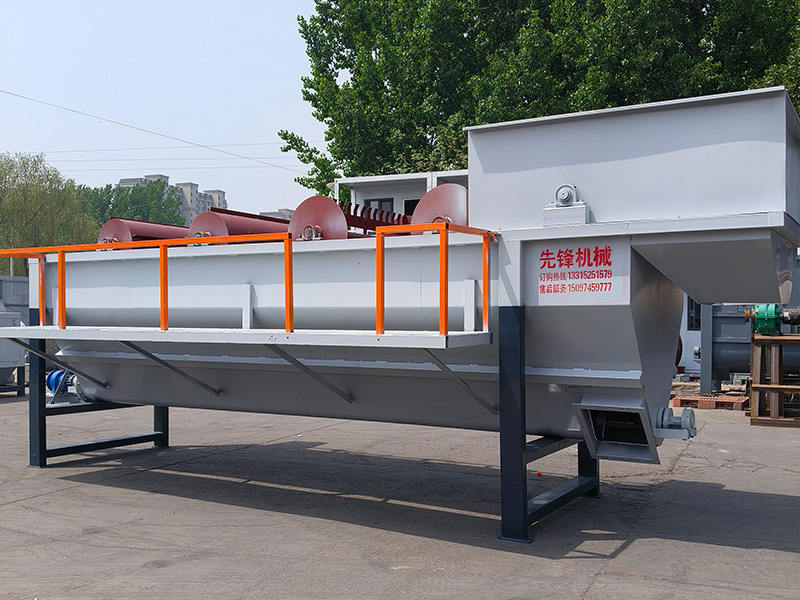
Top Features to Look for in Rinsing Hot Washing Tanks
Manufacturers across various industries understand the vital role that rinsing hot washing tanks play in ensuring product quality and efficiency. As the complexity of manufacturing processes grows, the need for reliable washing equipment becomes more critical. This guide will delve into the top features to look for in rinsing hot washing tanks, ensuring you make an informed choice that aligns with your operational needs.
The Importance of Rinsing Hot Washing Tanks in Manufacturing
Rinsing hot washing tanks serve a fundamental purpose in numerous manufacturing sectors. They effectively remove contaminants, oils, and other residues from components, preparing them for subsequent processes. Understanding the significance of these tanks helps in recognizing the essential features that should be prioritized.
Enhanced Cleaning Efficiency
One of the primary reasons to invest in a high-quality rinsing tank is the enhanced cleaning efficiency it offers. A well-designed tank can significantly reduce cleaning times while ensuring thorough sanitation.
Versatility Across Industries
Rinsing hot washing tanks are utilized in various industries, including automotive, aerospace, and food processing. Each industry may have specific requirements, making versatility a crucial factor in the selection process.
Key Features to Consider in Rinsing Hot Washing Tanks
When looking for rinsing hot washing tanks, several features stand out. Below, we will explore these features in detail, providing insights into their importance and how they can impact your manufacturing process.
1. Temperature Control Systems
**Temperature control is critical** in rinsing hot washing tanks. The ability to maintain optimal water temperatures ensures that contaminants are effectively removed. Look for tanks with adjustable temperature settings that allow for precision control, as this can affect the cleaning efficacy.
2. Durable Construction Materials
**Material quality** matters significantly when it comes to rinsing hot washing tanks. Tanks made from high-quality stainless steel or other corrosion-resistant materials will not only last longer but also withstand the rigors of consistent use in harsh environments.
Benefits of Stainless Steel
Stainless steel tanks are favored for their durability and ability to resist rust and corrosion. This longevity translates to lower maintenance costs and enhanced reliability over time.
3. Efficient Filtration Systems
**Filtration systems** are essential for maintaining water quality in rinsing hot washing tanks. Look for tanks equipped with robust filtration mechanisms that can remove particles and contaminants, ensuring that the rinse water remains clean for multiple cycles.
Types of Filtration
Consider tanks that utilize multi-stage filtration processes. These systems often include pre-filters, carbon filters, and fine filters, each serving a unique purpose in ensuring the cleanliness of the rinsing process.
4. Automated Cleaning Cycle Options
**Automation** is becoming increasingly important in modern manufacturing. Rinsing hot washing tanks with automated cleaning cycles can significantly reduce labor costs and improve efficiency. Look for features such as programmable settings that allow for custom cleaning cycles based on specific needs.
5. Size and Capacity Considerations
**Tank size and capacity** should align with your operational requirements. Assess the volume of parts that require rinsing to determine the appropriate tank size. Oversized tanks can waste water and energy, while undersized ones may not meet your demands.
Standard Sizes vs. Custom Solutions
Some manufacturers offer standard tank sizes, while others provide customizable options. If your operations require specific dimensions, explore manufacturers that can accommodate bespoke designs.
6. Energy Efficiency Features
**Energy efficiency** is a growing concern in manufacturing. Rinsing hot washing tanks equipped with energy-saving technologies can help reduce operational costs significantly. Look for features such as insulated tanks, efficient heating elements, and programmable energy management systems.
7. User-Friendly Control Interfaces
An intuitive control interface can make a significant difference in ease of use. **User-friendly control panels** that allow operators to adjust settings quickly and monitor tank performance enhance overall efficiency and reduce training time for new employees.
8. Safety Features
Safety should always be a priority when operating industrial machinery. Look for rinsing hot washing tanks equipped with essential safety features such as automatic shut-off valves, emergency stop buttons, and temperature alarms to prevent accidents and ensure operator safety.
Maintenance and Care for Rinsing Hot Washing Tanks
Investing in a high-quality rinsing hot washing tank is only part of the equation. Proper maintenance is crucial for ensuring the longevity and efficiency of the equipment.
Regular Cleaning Protocols
Establishing a routine cleaning protocol can help maintain the cleanliness and functionality of the tank. This includes regular inspections, monitoring of filtration systems, and cleaning the interior surfaces to prevent buildup.
Scheduled Maintenance Checks
Conducting scheduled maintenance checks with qualified technicians can identify potential issues before they become major problems. This proactive approach helps in extending the lifespan of the rinsing hot washing tank.
FAQs About Rinsing Hot Washing Tanks
1. How do I choose the right size of rinsing hot washing tank for my operation?
Determining the size depends on the volume of items you need to rinse. Evaluate your production needs and choose a tank that balances capacity with space constraints.
2. What temperature is best for rinsing hot washing tanks?
The optimal temperature depends on the materials being cleaned; however, most applications benefit from temperatures between 140°F to 180°F (60°C to 82°C).
3. How often should I clean my rinsing hot washing tank?
Regular cleaning is advisable, typically weekly or bi-weekly, depending on usage. More frequent cleaning may be necessary for high-volume operations.
4. Can rinsing hot washing tanks be customized for specific industries?
Yes, many manufacturers offer customization options to meet the unique needs of various industries, including specific sizes, materials, and features.
5. What are the signs that my rinsing hot washing tank needs repair or replacement?
Signs include frequent breakdowns, reduced cleaning efficiency, visible corrosion or damage, and rising operational costs.
Conclusion
Selecting the right rinsing hot washing tank is pivotal for maintaining product quality and operational efficiency in manufacturing processes. By focusing on features such as temperature control, durable construction, efficient filtration systems, and user-friendly interfaces, you can choose a tank that meets your specific needs. Furthermore, understanding the importance of maintenance ensures your investment remains valuable over time. With the right knowledge and attention to detail, you can significantly enhance your manufacturing capabilities and achieve superior results.
TAG:
Contact Us
E-mail :
Phone/WhatsApp:
Address:
Shunping, Baoding City, Hebei Province


