
-
About Us

Understanding the Importance of Rinsing Hot Washing Tanks in Manufacturing
In the manufacturing industry, particularly in sectors dealing with crushing and screening machinery, the cleanliness of equipment is paramount. Rinsing hot washing tanks serve as a critical tool in this regard. These tanks are designed to clean components and machinery parts effectively by utilizing hot water and, in some cases, specialized cleaning agents. The heat enhances the cleaning process,
Oct 05,2025
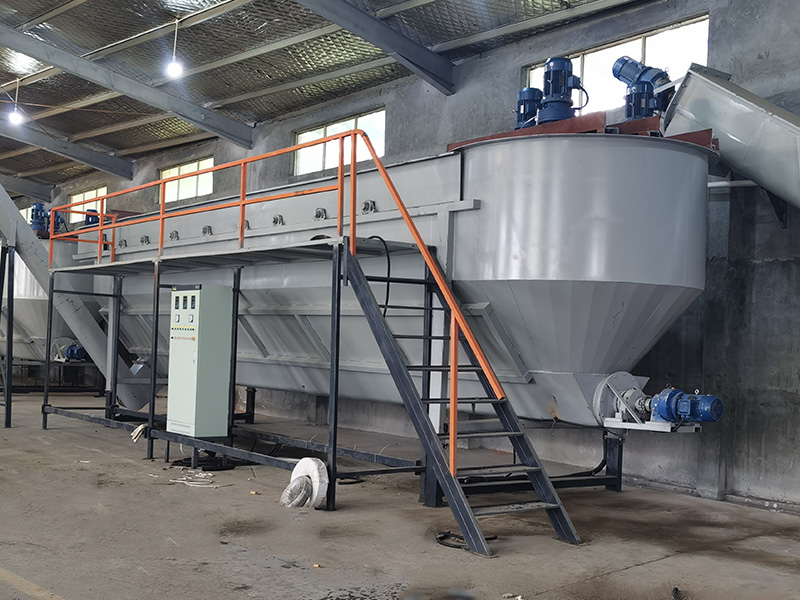
In the manufacturing industry, particularly in sectors dealing with crushing and screening machinery, the cleanliness of equipment is paramount. Rinsing hot washing tanks serve as a critical tool in this regard. These tanks are designed to clean components and machinery parts effectively by utilizing hot water and, in some cases, specialized cleaning agents. The heat enhances the cleaning process, allowing for the efficient removal of grease, dirt, and other contaminants that can accumulate during operations.
One of the primary benefits of using a rinsing hot washing tank is that it helps maintain the integrity of machinery. Contaminants left unaddressed can lead to wear and tear on critical machinery components. By incorporating regular rinsing cycles into maintenance routines, manufacturers can prolong the life of their equipment, thereby reducing downtime and the associated costs of repairs and replacements. This proactive approach not only boosts productivity but also ensures that machinery operates at peak efficiency.
Furthermore, rinsing hot washing tanks play a significant role in safety and compliance within manufacturing environments. In many industries, cleanliness is not just a matter of efficiency; it is also related to safety regulations. Properly maintained equipment reduces the risk of accidents caused by malfunctioning machinery, which can occur if components are not adequately cleaned and maintained. Additionally, adhering to cleanliness standards helps companies comply with industry regulations, avoiding potential legal issues and penalties.
In terms of operational efficiency, the use of rinsing hot washing tanks can significantly enhance the cleaning process. Hot water is more effective at dissolving and removing stubborn residues compared to cold water. This means that manufacturers can complete cleaning tasks more quickly, allowing for faster turnaround times between production runs. The ability to efficiently clean machinery not only saves time but also ensures that products meet high-quality standards.
Lastly, it is essential to consider the environmental impact of cleaning processes. Modern rinsing hot washing tanks can be designed to be more eco-friendly, utilizing less water and energy compared to traditional methods. By investing in such technology, manufacturers can not only improve their operational efficiency but also contribute positively to sustainability efforts.
In conclusion, rinsing hot washing tanks are an indispensable component of the manufacturing process, especially in the crushing and separation machinery sector. They provide numerous benefits, including enhanced equipment longevity, improved safety compliance, operational efficiency, and environmental sustainability. By prioritizing the maintenance of these essential tools, manufacturers can ensure smoother operations and maintain high standards in their production processes.
One of the primary benefits of using a rinsing hot washing tank is that it helps maintain the integrity of machinery. Contaminants left unaddressed can lead to wear and tear on critical machinery components. By incorporating regular rinsing cycles into maintenance routines, manufacturers can prolong the life of their equipment, thereby reducing downtime and the associated costs of repairs and replacements. This proactive approach not only boosts productivity but also ensures that machinery operates at peak efficiency.
Furthermore, rinsing hot washing tanks play a significant role in safety and compliance within manufacturing environments. In many industries, cleanliness is not just a matter of efficiency; it is also related to safety regulations. Properly maintained equipment reduces the risk of accidents caused by malfunctioning machinery, which can occur if components are not adequately cleaned and maintained. Additionally, adhering to cleanliness standards helps companies comply with industry regulations, avoiding potential legal issues and penalties.
In terms of operational efficiency, the use of rinsing hot washing tanks can significantly enhance the cleaning process. Hot water is more effective at dissolving and removing stubborn residues compared to cold water. This means that manufacturers can complete cleaning tasks more quickly, allowing for faster turnaround times between production runs. The ability to efficiently clean machinery not only saves time but also ensures that products meet high-quality standards.
Lastly, it is essential to consider the environmental impact of cleaning processes. Modern rinsing hot washing tanks can be designed to be more eco-friendly, utilizing less water and energy compared to traditional methods. By investing in such technology, manufacturers can not only improve their operational efficiency but also contribute positively to sustainability efforts.
In conclusion, rinsing hot washing tanks are an indispensable component of the manufacturing process, especially in the crushing and separation machinery sector. They provide numerous benefits, including enhanced equipment longevity, improved safety compliance, operational efficiency, and environmental sustainability. By prioritizing the maintenance of these essential tools, manufacturers can ensure smoother operations and maintain high standards in their production processes.
TAG:
Contact Us
E-mail :
Phone/WhatsApp:
Address:
Shunping, Baoding City, Hebei Province


