
-
About Us

Understanding the Importance of Rinsing Hot Washing Tanks in Manufacturing Processes
In manufacturing operations that involve the use of hot washing tanks, particularly in processes related to crushing and sorting machinery, rinsing becomes a crucial step that should not be overlooked. Hot washing tanks are typically utilized for cleaning equipment and materials, ensuring that residues and contaminants do not affect subsequent processes. Proper rinsing of these tanks not only enha
Oct 11,2025
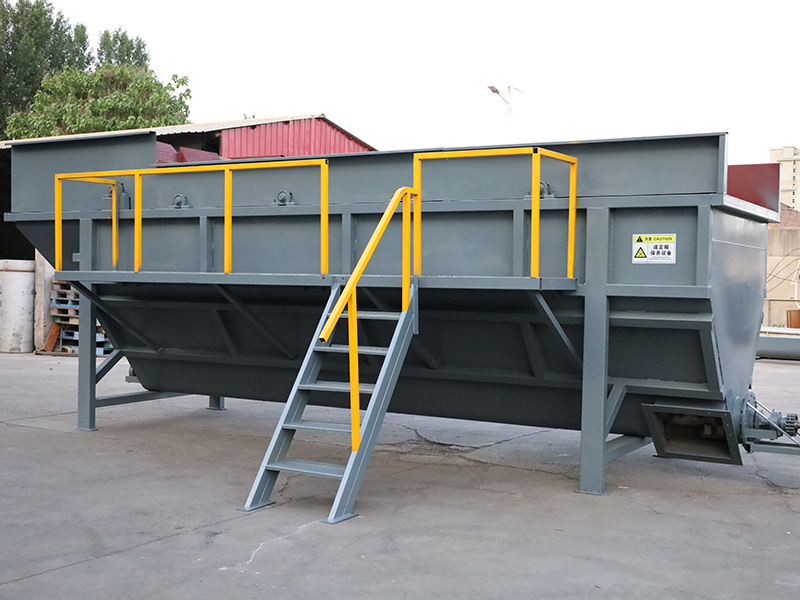
In manufacturing operations that involve the use of hot washing tanks, particularly in processes related to crushing and sorting machinery, rinsing becomes a crucial step that should not be overlooked. Hot washing tanks are typically utilized for cleaning equipment and materials, ensuring that residues and contaminants do not affect subsequent processes. Proper rinsing of these tanks not only enhances the performance of the machinery but also plays a significant role in maintaining product quality.
One of the primary reasons for rinsing hot washing tanks is to eliminate any residual cleaning agents, dirt, or contaminants that may remain after the washing cycle. These residues, if left unaddressed, can lead to cross-contamination in subsequent batches of materials being processed. This is particularly critical in industries where purity and cleanliness are essential, such as food processing or pharmaceuticals. Ensuring that the tanks are thoroughly rinsed helps to maintain the integrity of the products being processed.
Moreover, regular rinsing of hot washing tanks contributes to the overall efficiency of manufacturing processes. When tanks are properly maintained, the machinery operates more smoothly, reducing the likelihood of clogs and build-ups that can lead to downtime. Frequent and effective rinsing minimizes the need for extensive maintenance, thereby enhancing the productivity and reliability of the manufacturing process. This proactive approach can also result in cost savings, as it helps to extend the lifespan of the equipment.
Another important aspect to consider is the environmental impact of rinsing processes. Using hot water in rinsing can sometimes lead to increased energy consumption. Therefore, industries are increasingly looking for ways to optimize their rinsing procedures. Implementing water recycling systems or using less aggressive cleaning agents that require less rinsing can significantly reduce resource usage. By being mindful of these factors, companies can align their operations with sustainability goals while maintaining high standards of cleanliness and efficiency.
In summary, rinsing hot washing tanks is a vital practice in the manufacturing sector, especially in the context of crushing and sorting machinery. It ensures the elimination of contaminants, improves machine efficiency, and supports environmental sustainability. Manufacturers must prioritize regular rinsing protocols to enhance product quality and operational effectiveness. By doing so, they can achieve a more successful and sustainable manufacturing process.
One of the primary reasons for rinsing hot washing tanks is to eliminate any residual cleaning agents, dirt, or contaminants that may remain after the washing cycle. These residues, if left unaddressed, can lead to cross-contamination in subsequent batches of materials being processed. This is particularly critical in industries where purity and cleanliness are essential, such as food processing or pharmaceuticals. Ensuring that the tanks are thoroughly rinsed helps to maintain the integrity of the products being processed.
Moreover, regular rinsing of hot washing tanks contributes to the overall efficiency of manufacturing processes. When tanks are properly maintained, the machinery operates more smoothly, reducing the likelihood of clogs and build-ups that can lead to downtime. Frequent and effective rinsing minimizes the need for extensive maintenance, thereby enhancing the productivity and reliability of the manufacturing process. This proactive approach can also result in cost savings, as it helps to extend the lifespan of the equipment.
Another important aspect to consider is the environmental impact of rinsing processes. Using hot water in rinsing can sometimes lead to increased energy consumption. Therefore, industries are increasingly looking for ways to optimize their rinsing procedures. Implementing water recycling systems or using less aggressive cleaning agents that require less rinsing can significantly reduce resource usage. By being mindful of these factors, companies can align their operations with sustainability goals while maintaining high standards of cleanliness and efficiency.
In summary, rinsing hot washing tanks is a vital practice in the manufacturing sector, especially in the context of crushing and sorting machinery. It ensures the elimination of contaminants, improves machine efficiency, and supports environmental sustainability. Manufacturers must prioritize regular rinsing protocols to enhance product quality and operational effectiveness. By doing so, they can achieve a more successful and sustainable manufacturing process.
TAG:
Contact Us
E-mail :
Phone/WhatsApp:
Address:
Shunping, Baoding City, Hebei Province


