
-
About Us

A Comprehensive Guide to Rinsing Hot Washing Tanks in Processing Equipment
A Comprehensive Guide to Rinsing Hot Washing Tanks in Processing Equipment
Table of Contents
1. Introduction to Hot Washing Tanks in Processing Equipment
2. The Importance of Rinsing Hot Washing Tanks
3. Effective Techniques for Rinsing Hot Washing Tanks
4. Step-by-Step Procedure for Rinsing Hot Washing Tanks
5. Recommended Equipment for Rinsing
6. Safety Considerations Wh
Oct 14,2025
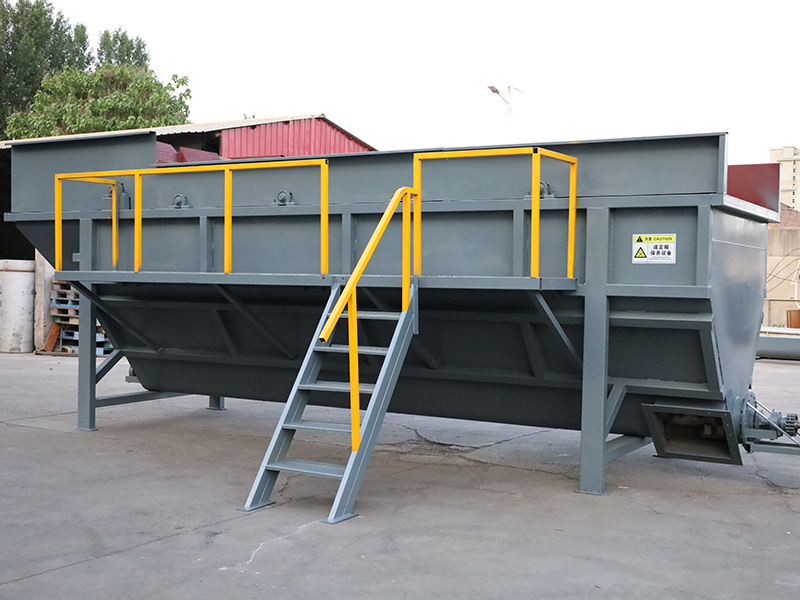
A Comprehensive Guide to Rinsing Hot Washing Tanks in Processing Equipment
Table of Contents
- 1. Introduction to Hot Washing Tanks in Processing Equipment
- 2. The Importance of Rinsing Hot Washing Tanks
- 3. Effective Techniques for Rinsing Hot Washing Tanks
- 4. Step-by-Step Procedure for Rinsing Hot Washing Tanks
- 5. Recommended Equipment for Rinsing
- 6. Safety Considerations When Rinsing Hot Washing Tanks
- 7. Troubleshooting Common Issues
- 8. Maintenance Tips for Hot Washing Tanks
- 9. Conclusion
- 10. Frequently Asked Questions
1. Introduction to Hot Washing Tanks in Processing Equipment
Hot washing tanks play a crucial role in various industrial processes, particularly in the manufacturing and processing sectors. These tanks are used to clean equipment, parts, and materials efficiently using hot water and detergents. Understanding the correct methods of rinsing these tanks is essential for maintaining equipment hygiene and ensuring optimal processing conditions.
2. The Importance of Rinsing Hot Washing Tanks
Rinsing hot washing tanks is vital for several reasons:
2.1 Preventing Contamination
Contamination can occur if residues from cleaning agents or previous materials remain in the tank. Proper rinsing removes these substances, ensuring that subsequent processes are not affected.
2.2 Enhancing Equipment Lifespan
Regular rinsing maintains the integrity of the tank and associated components, reducing wear and prolonging the lifespan of the equipment.
2.3 Ensuring Compliance with Industry Standards
Many industries have strict hygiene and cleanliness standards. Adequate rinsing ensures compliance with these regulations, which is crucial for food, pharmaceuticals, and other sectors.
3. Effective Techniques for Rinsing Hot Washing Tanks
The technique used for rinsing hot washing tanks can significantly impact the effectiveness of the cleaning process. Here are some effective methods:
3.1 Gravity Rinsing
This method allows water to flow naturally through the tank, utilizing gravity to carry away residues. It’s suitable for tanks with a simple design and proper drainage.
3.2 Pressure Rinsing
Using high-pressure nozzles can effectively dislodge stubborn residues from the tank walls. This method is particularly effective for tanks with complex geometries.
3.3 Circulation Rinsing
This technique involves recirculating rinse water through the tank and associated piping. It ensures that every part of the system is thoroughly cleaned.
4. Step-by-Step Procedure for Rinsing Hot Washing Tanks
To achieve the best results when rinsing hot washing tanks, follow these steps:
4.1 Prepare the Area
Ensure that the surrounding area is clear of obstructions and that any necessary safety equipment is in place.
4.2 Drain the Tank
Completely drain any residual cleaning solution from the hot washing tank. Ensure that waste is disposed of according to local regulations.
4.3 Rinse with Hot Water
Using a suitable rinsing technique, introduce hot water into the tank. Depending on the method chosen, either allow water to flow freely or use pressure jets to dislodge residues.
4.4 Circulate the Water
If using circulation rinsing, ensure the water is circulated through all components of the system. This step is crucial for removing lingering contaminants.
4.5 Drain and Inspect
After rinsing, drain the tank again. Inspect the interior for any remaining residues or buildup, repeating the rinsing process if necessary.
4.6 Dry the Tank
Allow the tank to dry completely before use to prevent moisture-related issues and ensure optimal performance for the next wash cycle.
5. Recommended Equipment for Rinsing
Selecting the right equipment can enhance the efficiency of your rinsing process. Here are some recommendations:
5.1 High-Pressure Washers
These are essential for effectively cleaning the tank surfaces. Look for models that offer adjustable pressure settings for different cleaning tasks.
5.2 Rinse Nozzles
Invest in various rinse nozzles that can target different areas of the tank. Rotating nozzles can provide comprehensive coverage.
5.4 Water Softeners
Using softened water can help prevent mineral build-up and scale formation, which can complicate the rinsing process.
6. Safety Considerations When Rinsing Hot Washing Tanks
Safety should always be a priority when working with hot washing tanks. Here are some key considerations:
6.1 Personal Protective Equipment (PPE)
Always wear appropriate PPE, including gloves, goggles, and protective clothing, to shield against hot water and chemicals.
6.2 Equipment Isolation
Before starting the rinsing process, ensure all equipment is properly isolated and tagged out to prevent accidental operation.
6.3 Ventilation
Maintain good ventilation in the work area to disperse any fumes from cleaning agents or hot water.
7. Troubleshooting Common Issues
Occasionally, issues may arise during the rinsing process. Here’s how to troubleshoot them:
7.1 Residue Buildup
If residues persist post-rinsing, consider increasing the water temperature or varying the pressure settings.
7.2 Inadequate Drainage
Check for clogs or obstructions in the drainage system that may prevent complete draining of the tank.
7.3 Equipment Failure
Inspect hoses and connections regularly for wear and tear, replacing any faulty components immediately.
8. Maintenance Tips for Hot Washing Tanks
Routine maintenance is key to ensuring the longevity and efficiency of your hot washing tanks. Here are some tips:
8.1 Regular Inspections
Conduct regular inspections of the tank and drainage system to identify and address any wear or damage.
8.2 Schedule Routine Cleanings
Implement a schedule for routine cleanings and rinses to prevent the buildup of residues.
8.3 Document Maintenance Activities
Keep detailed records of all maintenance activities, including rinsing procedures, inspections, and repairs.
9. Conclusion
Effective rinsing of hot washing tanks is crucial in maintaining the cleanliness and efficiency of processing equipment. By following the steps and guidelines outlined in this article, you can ensure that your tanks remain free of contaminants, prolong equipment lifespan, and adhere to industry standards. Regular maintenance, proper techniques, and the right equipment are essential for achieving optimal results. Implementing these practices will not only enhance your operational efficiency but also foster a culture of safety and compliance within your organization.
10. Frequently Asked Questions
10.1 How often should hot washing tanks be rinsed?
The frequency depends on the type of materials being processed. However, a general rule is to rinse after each washing cycle to prevent residue buildup.
10.2 Can cold water be used for rinsing?
While cold water is better than no water, hot water is recommended for its effectiveness in removing grease and residues.
10.3 What cleaning agents are safe to use?
Always refer to the manufacturer's guidelines. Non-corrosive, biodegradable detergents are typically preferred.
10.4 How do I know if my tank is properly rinsed?
Inspect the tank visually for any visible residues. A clean tank should have a shiny, residue-free surface.
10.5 Are there any eco-friendly rinsing methods?
Yes, utilizing biodegradable detergents and water recycling systems can significantly reduce environmental impact while maintaining cleaning effectiveness.
By implementing these practices and understanding the importance of proper rinsing, businesses in the processing equipment industry can enhance their operations significantly.
Contact Us
E-mail :
Phone/WhatsApp:
Address:
Shunping, Baoding City, Hebei Province


