
-
About Us

The Future of Material Handling: Ton Packers Explained
The Future of Material Handling: Ton Packers Explained
Introduction to Ton Packers in Material Handling
In recent years, the landscape of material handling has undergone significant transformations, driven by advancements in technology and automation. Among the innovations reshaping this sector are **ton packers**, specialized machines designed to enhance efficiency in the packaging, sorting, an
Nov 13,2025
The Future of Material Handling: Ton Packers Explained
Introduction to Ton Packers in Material Handling
In recent years, the landscape of material handling has undergone significant transformations, driven by advancements in technology and automation. Among the innovations reshaping this sector are **ton packers**, specialized machines designed to enhance efficiency in the packaging, sorting, and transportation of bulk materials. This article explores the critical role ton packers play in modern manufacturing processes, their underlying technology, and the future trends affecting material handling.
Understanding Ton Packers: A Comprehensive Overview
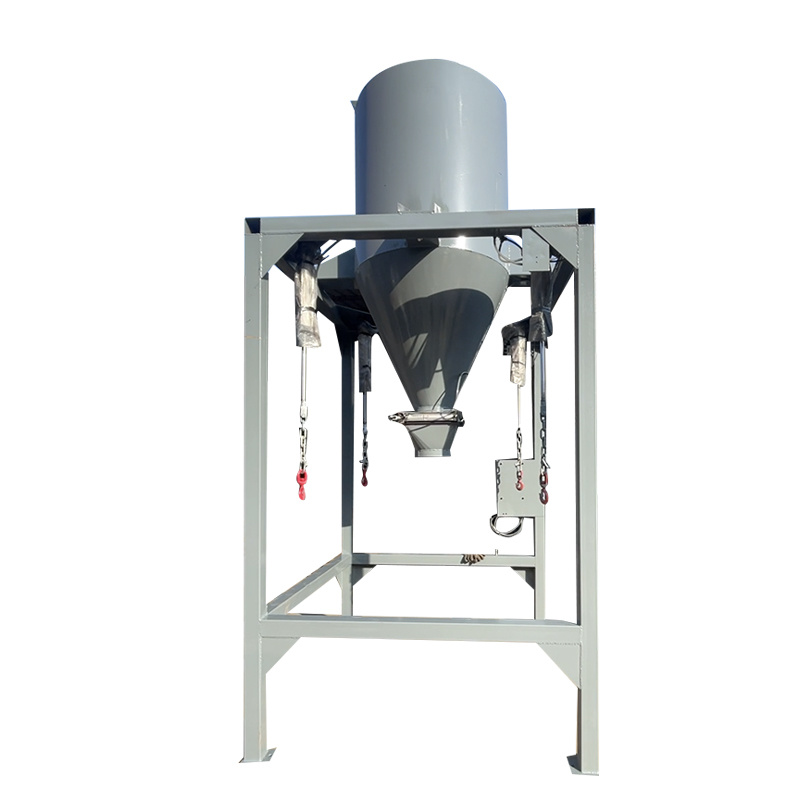
Ton packers serve a fundamental purpose in the material handling industry. They are designed to compress and package bulk materials into manageable units, facilitating easy transport and storage. These machines are particularly useful in various industries, including construction, mining, and waste management.
The Mechanism Behind Ton Packers
Ton packers operate through a series of mechanical processes that include feeding, compressing, and packaging materials. The feeding system collects bulk materials, which are then directed into a compression chamber. Here, hydraulic or pneumatic systems apply pressure, compacting the materials into predefined units. Once compacted, these units are automatically wrapped or bagged for easy handling.
Types of Ton Packers
There are several types of ton packers, each tailored to specific material handling needs:
1. Hydraulic Ton Packers
Hydraulic ton packers utilize hydraulic systems to generate high pressure, making them ideal for compressing dense materials like concrete or scrap metal.
2. Pneumatic Ton Packers
These ton packers use pneumatic pressure for compacting lighter materials, such as paper or plastic waste, making them suitable for recycling applications.
3. Mechanical Ton Packers
Mechanical ton packers rely on mechanical means to compress materials, often used in applications where speed and efficiency are paramount.
Benefits of Utilizing Ton Packers
Employing ton packers in your material handling processes offers numerous advantages that can lead to enhanced operational efficiency and cost savings.
1. Increased Efficiency in Packaging
Ton packers significantly reduce the time required for packaging bulk materials. Their automated systems streamline the process, allowing for continuous operation and minimizing downtime.
2. Space Optimization
Compactly packaged materials take up less space, making it easier to store and transport. This space efficiency is especially beneficial in warehouses and distribution centers where maximizing storage capacity is crucial.
3. Improved Material Handling Safety
By automating the packaging process, ton packers minimize manual handling, thereby reducing the risk of workplace injuries associated with lifting and transporting heavy materials.
4. Environmental Benefits
Ton packers play a vital role in sustainable practices by reducing waste volume and promoting recycling. They enable companies to efficiently manage waste, contributing to environmental conservation efforts.
Key Industries Benefiting from Ton Packers
Ton packers find applications across various sectors, each reaping the benefits of enhanced material handling efficiency.
1. Construction Industry
In the construction sector, ton packers are used to compress and package construction debris, making recycling easier and reducing landfill waste.
2. Mining Industry
Mining operations employ ton packers to manage and transport ore and waste materials, ensuring efficient resource recovery and waste management.
3. Recycling Facilities
Recycling centers utilize ton packers to compact recyclables, facilitating easier transportation to processing facilities and improving overall recycling rates.
4. Food Processing Industry
In food processing, ton packers are essential for packaging bulk ingredients, helping maintain hygiene standards while optimizing storage and transport.
The Technological Evolution of Ton Packers
The functionality of ton packers has evolved significantly with advancements in technology, leading to enhanced performance and new capabilities.
1. Automation and Smart Technology
Modern ton packers are increasingly integrated with smart technology, allowing for real-time monitoring and adjustments. Automation reduces human error and enhances precision in packaging processes.
2. Energy Efficiency Innovations
Recent innovations focus on energy efficiency, enabling ton packers to operate using less power while maintaining high performance. This shift not only reduces operational costs but also promotes sustainability.
3. Data Analytics Integration
Data analytics tools are being integrated into ton packers, providing insights into operational efficiency. This data helps companies identify bottlenecks and optimize processes for better productivity.
The Future Trends Influencing Ton Packers
As we look to the future, several trends are poised to shape the development and adoption of ton packers in material handling.
1. Increased Demand for Automation
The push for automation in manufacturing and logistics will likely drive the demand for advanced ton packers equipped with intelligent systems that enhance operational efficiency.
2. Sustainability Goals
With a growing emphasis on sustainability, ton packers that reduce waste and promote recycling are expected to gain traction as more companies commit to eco-friendly practices.
3. Customization and Flexibility
The future will see an increased need for customizable ton packers that can adapt to various materials and packaging requirements, improving versatility across industries.
Key Considerations When Choosing a Ton Packer
Investing in a ton packer requires careful consideration of various factors to ensure it meets your operational needs.
1. Material Type
Evaluate the types of materials you handle to determine the best ton packer for your needs. Different machines are designed for specific materials, such as heavy metals or lightweight recyclables.
2. Production Volume
Consider your production volume to select a ton packer with the appropriate capacity. Machines designed for higher volumes may offer better efficiency and cost-effectiveness.
3. Space Constraints
Assess the space available for your ton packer installation. Compact models may be necessary for facilities with limited space, while larger units can be integrated into expansive operations.
4. Budget and ROI
Factor in your budget and anticipated return on investment. While high-quality ton packers may require a significant initial investment, the long-term savings in labor and material handling efficiency can justify the cost.
Frequently Asked Questions (FAQs)
1. What is a ton packer, and how does it work?
A ton packer is a machine designed to compress bulk materials into compact packages for easier transport and storage. It typically uses hydraulic, pneumatic, or mechanical systems to achieve this.
2. What types of materials can be processed with ton packers?
Ton packers can handle a wide range of materials, including construction debris, recyclables, food products, and mining waste, depending on the machine's specifications.
3. How do ton packers contribute to sustainability?
By compacting waste and recyclables, ton packers reduce the volume of materials sent to landfills, promoting recycling and efficient waste management practices.
4. Are ton packers customizable for specific needs?
Yes, many manufacturers offer customizable ton packers that can be tailored to meet specific requirements based on material types and operational needs.
5. What trends are shaping the future of ton packers?
Key trends include increased automation, energy efficiency innovations, and the growing demand for sustainable solutions in material handling.
Conclusion
Ton packers are set to play an increasingly vital role in the future of material handling. Their ability to enhance efficiency, promote sustainability, and adapt to various manufacturing processes makes them indispensable in modern operations. As technology continues to evolve, ton packers will likely become even more sophisticated, offering transformative solutions for industries that prioritize efficiency and environmental responsibility. Embracing these innovations today can position companies for success in tomorrow's competitive landscape.
TAG:
Contact Us
E-mail :
Phone/WhatsApp:
Address:
Shunping, Baoding City, Hebei Province


