
-
About Us

How to Optimize Your Rinsing Hot Washing Tank for Better Performance
How to Optimize Your Rinsing Hot Washing Tank for Better Performance
Table of Contents
1. Understanding the Importance of Your Rinsing Hot Washing Tank
2. Key Components of a Rinsing Hot Washing Tank
3. Factors Influencing Performance
3.1 Temperature Control
3.2 Water Quality
3.3 Cleaning Solutions
4. Best Practices for Maintaining Optimal Performance
4.1 Regular Cleaning and Mai
Dec 07,2025
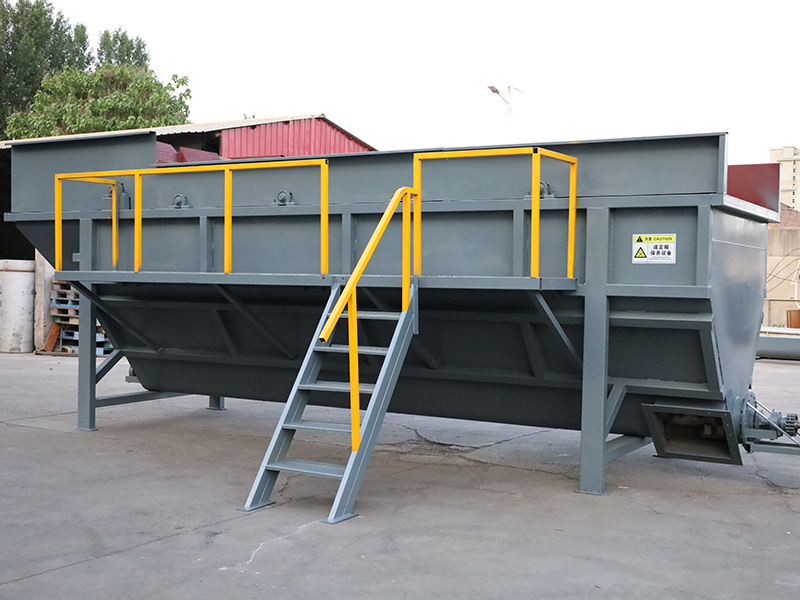
How to Optimize Your Rinsing Hot Washing Tank for Better Performance
Table of Contents
1. Understanding the Importance of Your Rinsing Hot Washing Tank
2. Key Components of a Rinsing Hot Washing Tank
3. Factors Influencing Performance
3.1 Temperature Control
3.2 Water Quality
3.3 Cleaning Solutions
4. Best Practices for Maintaining Optimal Performance
4.1 Regular Cleaning and Maintenance
4.2 Monitoring Usage and Efficiency
4.3 Design Modifications for Enhanced Efficiency
5. Troubleshooting Common Issues
6. Innovations in Rinsing Hot Washing Technology
7. Frequently Asked Questions
8. Conclusion
1. Understanding the Importance of Your Rinsing Hot Washing Tank
The rinsing hot washing tank plays a crucial role in various manufacturing and processing industries. It ensures that materials are adequately cleaned before further processing or packaging, thereby enhancing product quality and compliance with industry standards. An optimized tank not only improves cleaning efficiency but also contributes to reduced water and energy consumption, ultimately affecting operational costs positively.
2. Key Components of a Rinsing Hot Washing Tank
For optimal performance, it’s important to understand the fundamental components of your rinsing hot washing tank. Key parts typically include:
- **Heating Element:** Responsible for maintaining the desired water temperature, ensuring effective cleaning.
- **Water Pump:** Circulates water through the tank, ensuring consistent flow and agitation.
- **Filtration System:** Removes impurities from water, enhancing the effectiveness of the cleaning process.
- **Control System:** Monitors and regulates temperature, water levels, and cleaning cycles.
Each component plays a pivotal role in the efficiency of the rinsing process, and optimizing each can lead to better overall performance.
3. Factors Influencing Performance
Several factors can significantly influence the performance of your rinsing hot washing tank. Understanding these can help in identifying areas for improvement.
3.1 Temperature Control
Temperature is one of the most critical factors in any rinsing process. Maintaining the optimal temperature ensures that cleaning solutions work effectively. Regularly monitor the heating element and calibrate the temperature controls to avoid fluctuations that could hinder performance.
3.2 Water Quality
The quality of water used in the tank can impact cleaning effectiveness. Hard water can leave mineral deposits, reducing the efficiency of the cleaning process. Implement a filtration and softening system to ensure the water used is of high quality.
3.3 Cleaning Solutions
Choosing the right cleaning solutions is paramount. Different materials require specific cleaners for effective rinsing. Monitor the concentration and effectiveness of the cleaning agents used to enhance the rinsing process.
4. Best Practices for Maintaining Optimal Performance
To ensure your rinsing hot washing tank operates at peak efficiency, adopting best practices for maintenance is vital.
4.1 Regular Cleaning and Maintenance
Routine cleaning of the tank and its components prevents buildup of residues that can impair function. Establish a maintenance schedule that includes thorough inspections and cleaning of the filters and pumps.
4.2 Monitoring Usage and Efficiency
Tracking water and energy usage can provide insights into the tank's operational performance. Analyze the data to pinpoint inefficiencies and make necessary adjustments.
4.3 Design Modifications for Enhanced Efficiency
Consider whether design changes—such as adding insulation to reduce heat loss, optimizing the shape for better water flow, or upgrading components—could enhance your tank's performance. Engaging with manufacturers or industry experts can yield valuable insights.
5. Troubleshooting Common Issues
Identifying and resolving common issues quickly is essential for maintaining the performance of your rinsing hot washing tank. Common problems include:
- **Inconsistent Temperature:** Check the heating element and temperature control settings.
- **Poor Water Circulation:** Ensure the pump is functioning correctly and that there are no blockages in the system.
- **Buildup of Residues:** Regular cleaning and maintenance will prevent this issue, but immediate action is necessary if residues are observed.
6. Innovations in Rinsing Hot Washing Technology
The industry is continually evolving, with new technologies enhancing rinsing processes. Consider integrating advanced features such as automated control systems, energy-efficient heating elements, and eco-friendly cleaning solutions to stay competitive.
7. Frequently Asked Questions
What is the optimal temperature for rinsing hot washing tanks?
The optimal temperature typically ranges between 140°F to 180°F, depending on the materials being cleaned.
How often should I clean my rinsing hot washing tank?
It is advisable to conduct a thorough cleaning at least once a month, with regular checks on filters and components.
Can I use any cleaning solution in my rinsing hot washing tank?
No, it is crucial to choose cleaning solutions that are compatible with the materials being cleaned to prevent damage.
What are the signs that my rinsing hot washing tank needs maintenance?
Signs include inconsistent temperature, unusual noises from the pump, or visible buildup of residues.
Are there energy-efficient options available for rinsing hot washing tanks?
Yes, many manufacturers now offer energy-efficient models and components designed to reduce water and energy consumption while maintaining performance.
8. Conclusion
Optimizing your rinsing hot washing tank is essential for improving performance and efficiency in your manufacturing processes. By understanding the components, monitoring key factors, and implementing best practices, you can achieve superior cleaning results while reducing operational costs. As technology continues to advance, staying informed on innovations will further enhance your tank's performance, ensuring your operations remain competitive in the industry. Through consistent maintenance and a proactive approach, you can unlock the full potential of your rinsing hot washing tank, ensuring it consistently meets performance standards and operational needs.
TAG:
Contact Us
E-mail :
Phone/WhatsApp:
Address:
Shunping, Baoding City, Hebei Province


