
-
About Us

Effective Strategies for Rinsing Hot Washing Tanks in Material Processing
In the manufacturing and processing industry, particularly for crushing and sorting machinery, the cleanliness of equipment is paramount. One important aspect of maintenance is the rinsing of hot washing tanks. These tanks play a crucial role in ensuring that materials are cleaned properly and that any residual contaminants are removed effectively. Here, we explore effective strategies for rinsing
Dec 04,2025
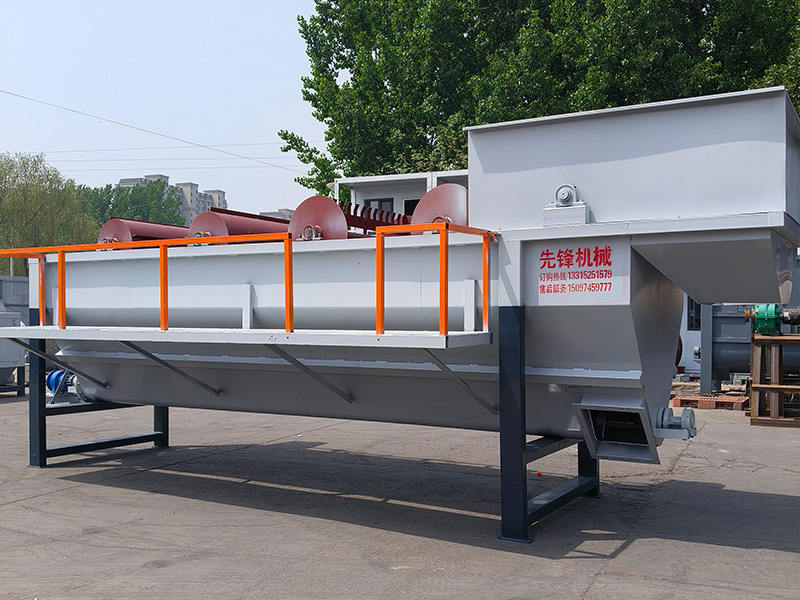
In the manufacturing and processing industry, particularly for crushing and sorting machinery, the cleanliness of equipment is paramount. One important aspect of maintenance is the rinsing of hot washing tanks. These tanks play a crucial role in ensuring that materials are cleaned properly and that any residual contaminants are removed effectively. Here, we explore effective strategies for rinsing hot washing tanks, providing practical knowledge that can enhance operational efficiency.
First, it is essential to understand the importance of temperature when rinsing hot washing tanks. The heat not only helps in loosening stubborn residues but also enhances the solubility of cleaning agents. However, the process must be handled with care to prevent damage to the equipment or injury to operators. Utilizing high-pressure rinsing systems can be particularly effective in achieving a thorough clean without the need for excessive manual labor.
When starting the rinsing process, it is advisable to allow the tank to cool down to a manageable temperature before introducing water. This precaution minimizes the risk of thermal shock to the tank material, which can lead to cracks or other damages. Once at a safe temperature, operators can initiate the rinsing cycle using a combination of hot water and appropriate cleaning agents designed for the specific residues encountered in the processing of materials.
A systematic approach to rinsing hot washing tanks involves several steps. Begin by removing any large debris or clumps of material from the tank. Following this, a high-pressure rinse should be employed, ensuring that all surfaces are adequately covered. The addition of cleaning agents during this phase can significantly improve the efficacy of the rinse. It is crucial to allow the cleaning solution to dwell for the appropriate amount of time to maximize its effectiveness.
After the initial rinse, a secondary rinse with clean water is necessary to remove any remaining cleaning agents and contaminants. This step is vital to avoid any chemical residues that could affect the quality of materials processed later. Additionally, maintaining a routine schedule for the rinsing of hot washing tanks can prevent the build-up of residues, making each cleaning session less labor-intensive.
Lastly, it is important to document the rinsing process, noting any issues encountered or maintenance performed. This practice not only helps in keeping track of equipment history but also assists in identifying patterns that may require further attention.
By implementing these effective rinsing strategies for hot washing tanks, operators can enhance the cleanliness and efficiency of their equipment, ultimately leading to improved product quality and operational safety in the material processing industry.
First, it is essential to understand the importance of temperature when rinsing hot washing tanks. The heat not only helps in loosening stubborn residues but also enhances the solubility of cleaning agents. However, the process must be handled with care to prevent damage to the equipment or injury to operators. Utilizing high-pressure rinsing systems can be particularly effective in achieving a thorough clean without the need for excessive manual labor.
When starting the rinsing process, it is advisable to allow the tank to cool down to a manageable temperature before introducing water. This precaution minimizes the risk of thermal shock to the tank material, which can lead to cracks or other damages. Once at a safe temperature, operators can initiate the rinsing cycle using a combination of hot water and appropriate cleaning agents designed for the specific residues encountered in the processing of materials.
A systematic approach to rinsing hot washing tanks involves several steps. Begin by removing any large debris or clumps of material from the tank. Following this, a high-pressure rinse should be employed, ensuring that all surfaces are adequately covered. The addition of cleaning agents during this phase can significantly improve the efficacy of the rinse. It is crucial to allow the cleaning solution to dwell for the appropriate amount of time to maximize its effectiveness.
After the initial rinse, a secondary rinse with clean water is necessary to remove any remaining cleaning agents and contaminants. This step is vital to avoid any chemical residues that could affect the quality of materials processed later. Additionally, maintaining a routine schedule for the rinsing of hot washing tanks can prevent the build-up of residues, making each cleaning session less labor-intensive.
Lastly, it is important to document the rinsing process, noting any issues encountered or maintenance performed. This practice not only helps in keeping track of equipment history but also assists in identifying patterns that may require further attention.
By implementing these effective rinsing strategies for hot washing tanks, operators can enhance the cleanliness and efficiency of their equipment, ultimately leading to improved product quality and operational safety in the material processing industry.
TAG:
Contact Us
E-mail :
Phone/WhatsApp:
Address:
Shunping, Baoding City, Hebei Province


