
-
About Us

Rinsing Hot Washing Tanks: An Essential Tool for Effective Material Processing
Rinsing Hot Washing Tanks: An Essential Tool for Effective Material Processing
Introduction to Rinsing Hot Washing Tanks
In the realm of **manufacturing and processing**, particularly within industries involving the use of **crushing and sorting machinery**, rinsing hot washing tanks play a pivotal role. These systems are designed to enhance the efficiency of material processing by providing high-
Dec 01,2025
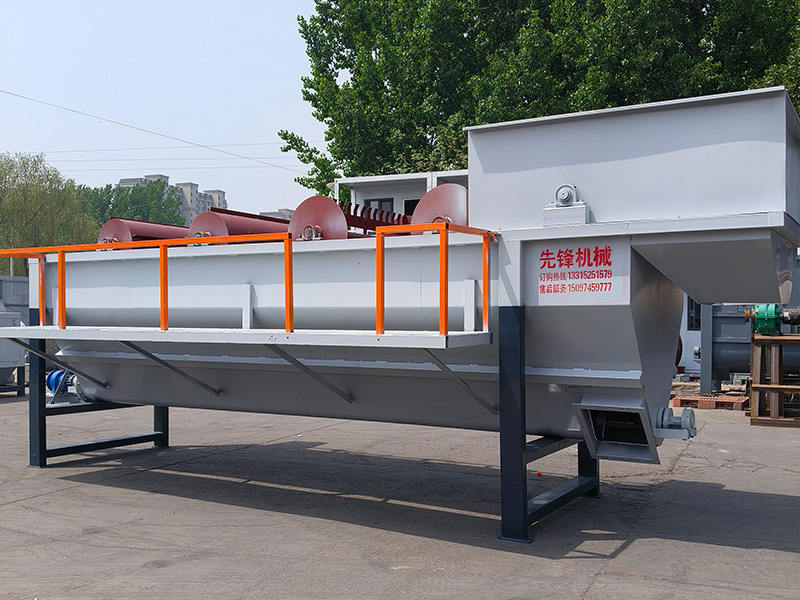
Rinsing Hot Washing Tanks: An Essential Tool for Effective Material Processing
Introduction to Rinsing Hot Washing Tanks
In the realm of **manufacturing and processing**, particularly within industries involving the use of **crushing and sorting machinery**, rinsing hot washing tanks play a pivotal role. These systems are designed to enhance the efficiency of material processing by providing high-temperature washing solutions that effectively remove contaminants and improve product quality. This article delves into the intricacies of rinsing hot washing tanks, elucidating their design, operational principles, and the myriad benefits they offer to industries reliant on effective material cleaning processes.
The Importance of Rinsing in Material Processing
Rinsing is a critical step in various manufacturing processes, particularly for those dealing with materials that may retain contaminants, dust, or residues. It directly impacts the quality of the final product and the efficiency of subsequent processing steps. Hot washing tanks utilize heated water, often combined with detergents or other cleaning agents, to ensure that surfaces are thoroughly cleaned and free from any impurities.
What Are Rinsing Hot Washing Tanks?
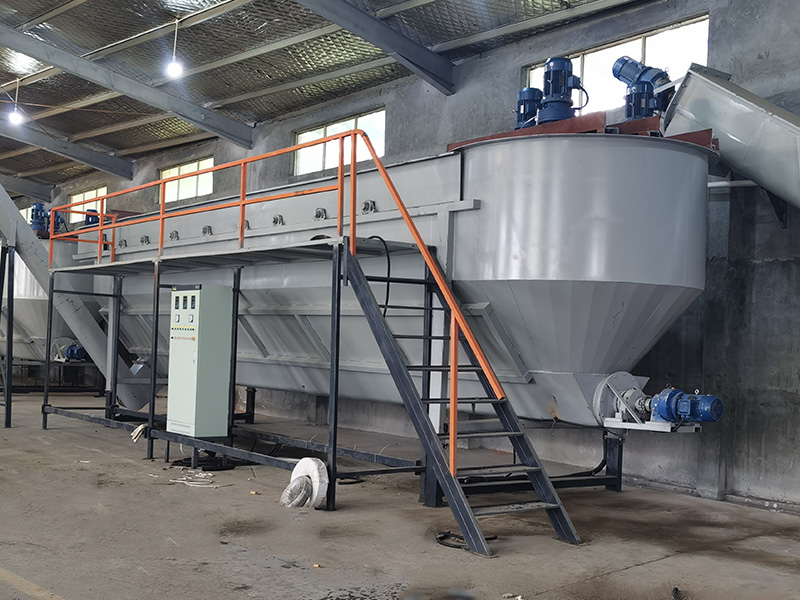
Rinsing hot washing tanks are specialized industrial cleaning equipment designed to process materials at elevated temperatures. These tanks facilitate thorough rinsing by utilizing hot water, ensuring that any residual particles or contaminants are effectively removed. They are particularly useful in industries such as:
- Mining
- Recycling
- Food processing
- Metal fabrication
Key Features of Rinsing Hot Washing Tanks
Rinsing hot washing tanks come equipped with several features that enhance their effectiveness, including:
- **Temperature Control**: The ability to maintain specific temperatures for optimal cleaning.
- **Variable Flow Rates**: Adjustable water flow rates to cater to different material types and contamination levels.
- **Integrated Filtration Systems**: These systems prevent the recontamination of cleaned materials by filtering out debris and particles from the rinse water.
- **Durable Construction**: Built to withstand harsh industrial environments, these tanks are often constructed from robust materials that resist corrosion and wear.
How Rinsing Hot Washing Tanks Work
Understanding the operational principles of rinsing hot washing tanks is crucial for maximizing their benefits. The process typically involves several stages:
1. Pre-Washing Stage
Before the rinsing process begins, materials are often subjected to a pre-wash phase. This step helps to dislodge larger particles and prepares the materials for more effective cleaning.
2. Hot Washing Stage
During this stage, the materials are immersed in hot water, typically ranging from 140°F to 180°F (60°C to 82°C). The heat helps to loosen stubborn contaminants, while detergents can be added to enhance cleaning efficiency. The combination of heat and agitation ensures that all surfaces are thoroughly cleaned.
3. Rinsing Stage
After the hot washing stage, a thorough rinsing process follows. Fresh water is applied to wash away any remaining cleaning agents and contaminants. Ideally, this stage utilizes an integrated filtration system to ensure that no recontamination occurs.
4. Drying and Final Processing
Once rinsed, materials may proceed to drying or further processing stages. Efficient rinsing ensures that the moisture content is minimized, paving the way for subsequent operations.
The Benefits of Using Rinsing Hot Washing Tanks
The adoption of rinsing hot washing tanks offers numerous advantages, making them essential tools in many industrial applications.
1. Enhanced Cleaning Efficiency
Rinsing hot washing tanks significantly improve cleaning efficiency compared to traditional washing methods. The application of heated water ensures that even the most stubborn contaminants are removed, leading to superior product quality.
2. Improved Product Quality
By ensuring thorough cleaning, these tanks contribute to higher-quality end products. This is particularly important in industries like food processing, where hygiene is paramount.
3. Cost-Effectiveness
Despite the initial investment, rinsing hot washing tanks can lead to long-term cost savings. They reduce the need for manual cleaning and minimize material waste by ensuring that contaminants do not compromise product integrity.
4. Environmental Considerations
Modern rinsing hot washing tanks are designed with sustainability in mind. Many systems are equipped with water recycling capabilities, allowing for the reuse of rinse water and reducing overall water consumption.
5. Versatility Across Industries
These washing tanks can be tailored to meet the unique needs of various industries, from mining operations to food processing facilities. Their adaptability makes them invaluable tools in diverse settings.
Applications of Rinsing Hot Washing Tanks
Rinsing hot washing tanks find applications across a broad spectrum of industries:
1. Mining and Mineral Processing
In mining operations, rinsing hot washing tanks help to clean mined materials, ensuring that they are free from dust and debris before further processing. This enhances the efficiency of separation processes and improves the quality of the final product.
2. Recycling
In recycling facilities, these tanks are essential for cleaning recyclable materials. By ensuring that contaminants are removed, they facilitate better recycling processes and improve the quality of recycled products.
3. Food and Beverage Industry
Food processing plants rely on rinsing hot washing tanks to maintain hygiene standards. The ability to effectively clean equipment and surfaces helps to prevent contamination and ensures compliance with health regulations.
4. Metal Fabrication and Manufacturing
In metal fabrication, rinsing hot washing tanks are used to clean metal parts and components, ensuring that they are free from oil, grease, and other contaminants before painting or assembly.
Choosing the Right Rinsing Hot Washing Tank
Selecting the appropriate rinsing hot washing tank for your operation requires careful consideration of several factors:
1. Material Type
The type of materials being processed significantly influences the choice of a rinsing hot washing tank. Different materials may require specific cleaning temperatures and pressures.
2. Volume Requirements
Evaluate the volume of materials that need to be processed. Tanks come in various sizes, and selecting one that aligns with your operational needs is crucial for efficiency.
3. Cleaning Agents
Consider the types of cleaning agents that will be used. Some materials may require specific detergents or chemicals that are compatible with hot water washing.
4. Maintenance and Support
Opt for manufacturers that provide robust support and maintenance services. Regular maintenance is essential to ensure optimal performance and longevity of the equipment.
FAQs About Rinsing Hot Washing Tanks
1. What is the typical temperature range for rinsing hot washing tanks?
The typical temperature range for rinsing hot washing tanks is between 140°F to 180°F (60°C to 82°C). This range is effective for loosening contaminants and enhancing cleaning efficiency.
2. Can rinsing hot washing tanks be used for all types of materials?
While rinsing hot washing tanks are versatile, it's essential to consider the material's compatibility with heat and cleaning agents. Certain delicate materials may require specific conditions.
3. How do I ensure the longevity of my rinsing hot washing tank?
Regular maintenance and inspections are crucial for longevity. Follow the manufacturer's recommendations for cleaning, servicing, and parts replacement.
4. Are rinsing hot washing tanks environmentally friendly?
Yes, many modern rinsing hot washing tanks are designed with sustainability in mind, featuring water recycling capabilities that minimize water waste.
5. What industries benefit the most from rinsing hot washing tanks?
Industries such as mining, recycling, food processing, and metal fabrication benefit significantly from rinsing hot washing tanks due to their effectiveness in cleaning contaminant-laden materials.
Conclusion
In summary, rinsing hot washing tanks are invaluable tools in the manufacturing and processing sectors. Their ability to effectively clean materials at elevated temperatures enhances product quality, improves operational efficiency, and contributes to sustainability efforts. By understanding their functionality and applications, industries can make informed decisions that bolster productivity and ensure compliance with quality standards. As technology in material processing continues to evolve, investing in such essential equipment will remain pivotal for achieving operational excellence.
TAG:
Contact Us
E-mail :
Phone/WhatsApp:
Address:
Shunping, Baoding City, Hebei Province


