
-
About Us

Rinsing Tank Revolutionizes Industrial Cleaning with Efficiency and Sustainability
Nov 24,2025

In modern manufacturing and processing industries, maintaining cleanliness and hygiene is crucial for product quality, operational efficiency, and compliance with international standards. One of the most essential yet often overlooked pieces of equipment is the Rinsing Tank. This versatile tank plays a pivotal role in cleaning, washing, and pre-treatment processes across a wide range of industries, from food and beverage to pharmaceuticals and electronics manufacturing.
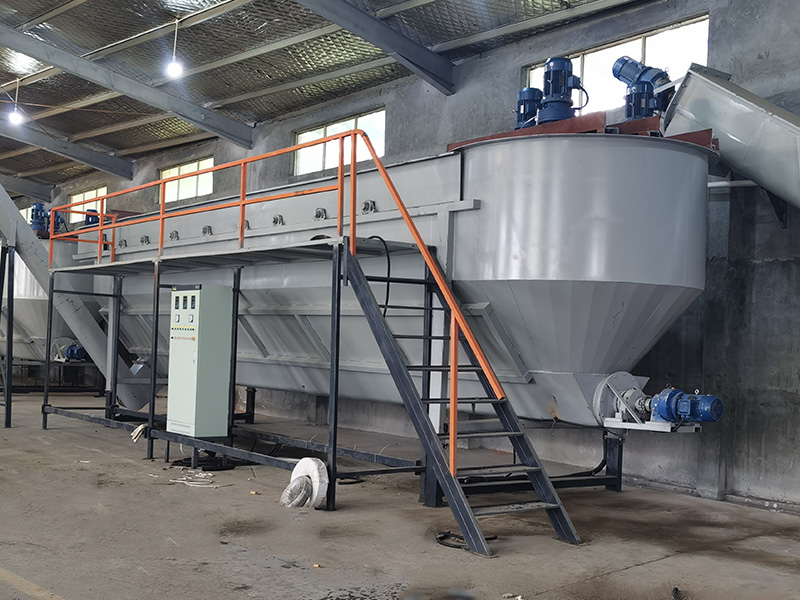
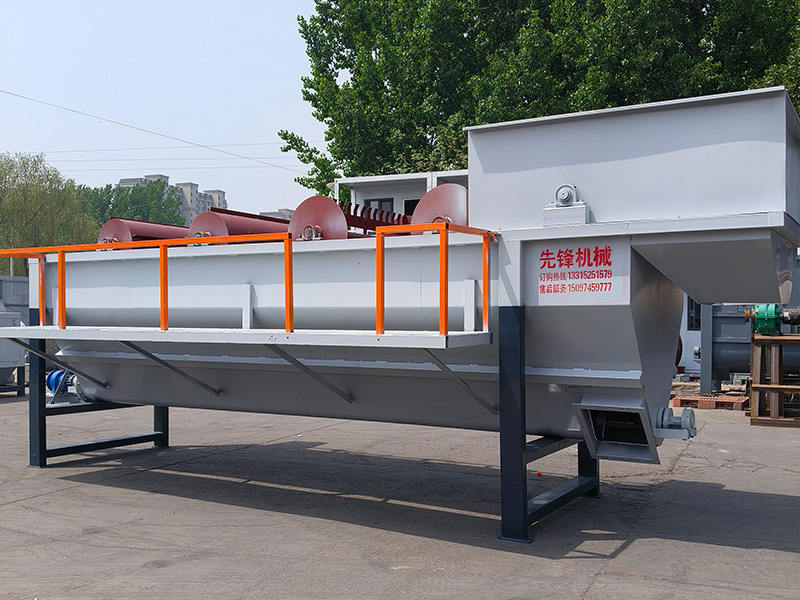
A Rinsing Tank is designed to provide thorough washing of parts, containers, or products, ensuring the removal of residues, contaminants, or unwanted particles. Unlike conventional cleaning methods, which rely heavily on manual labor or inefficient water systems, modern rinsing tanks are engineered for uniform cleaning, water conservation, and automation compatibility. They are typically constructed from durable stainless steel, which not only provides resistance to corrosion but also guarantees long-term reliability under high-temperature or chemical-rich environments.
In the food processing sector, Rinsing Tanks are indispensable for washing vegetables, fruits, and packaged goods. The tanks ensure that every product is cleaned uniformly, reducing the risk of contamination and extending shelf life. Advanced models integrate temperature control, water circulation, and filtration systems that allow hot washing or multiple rinsing cycles without compromising efficiency. Hot rinse tanks, in particular, are favored for applications requiring sanitation at elevated temperatures, effectively killing bacteria while ensuring product integrity.
Beyond food production, the industrial applications of Rinsing Tanks are expanding. In the electronics and semiconductor industries, precision cleaning of components is critical. Rinsing tanks equipped with ultrasonic or jet spray systems remove micro-particles from delicate surfaces, ensuring that the final products meet strict quality standards. Similarly, in pharmaceutical manufacturing, tanks facilitate the cleaning of containers, tools, and intermediate products, supporting hygiene standards required by GMP and FDA regulations.
The integration of automation technology is another significant advancement in Rinsing Tank design. Modern tanks can be linked with conveyor systems, robotic arms, and automated chemical dosing, enabling continuous cleaning processes that reduce labor costs and minimize human error. Digital sensors monitor water levels, temperature, and cleaning efficiency, while smart controllers optimize rinse cycles to conserve water and energy. This trend reflects a growing industry focus on sustainability, efficiency, and cost reduction.
Manufacturers of Rinsing Tanks are also innovating in terms of modularity and customization. Depending on production requirements, tanks can be configured in various sizes, equipped with multi-stage rinsing sections, or designed with specific inlet/outlet arrangements. This flexibility allows companies to integrate rinsing tanks into existing production lines without significant reconfiguration, ensuring minimal downtime and enhanced workflow.
Environmental considerations are becoming increasingly important in the design and application of rinsing tanks. Water recycling and filtration systems are now standard in many industrial models, reducing water consumption and minimizing wastewater discharge. Chemical management features ensure that detergents and sanitizers are used efficiently, aligning with global sustainability goals and reducing operational costs.
Industry experts note that the demand for Rinsing Tanks is expected to grow steadily in the coming years. Rising awareness of hygiene standards, regulatory requirements, and operational efficiency is driving adoption across sectors. Companies seeking to maintain competitive advantages are investing in high-quality, durable rinsing solutions that combine automation, sustainability, and reliability.
In conclusion, the Rinsing Tank has evolved far beyond a simple washing container. It is a technologically advanced, essential component of modern production lines, delivering consistent cleaning performance, operational efficiency, and environmental sustainability. From food processing and pharmaceuticals to electronics and industrial manufacturing, rinsing tanks are at the forefront of ensuring quality, safety, and productivity. As industries continue to pursue automation and sustainability, the role of the rinsing tank is likely to become even more central, making it a key investment for companies committed to excellence.
Contact Us
E-mail :
Phone/WhatsApp:
Address:
Shunping, Baoding City, Hebei Province


