
-
About Us

Delabeling Machines: A Transformative Innovation in the Recycling Industry
Delabeling Machines: A Game Changer for the Recycling Industry
The recycling industry is undergoing a significant transformation, thanks to advancements in technology that address key challenges faced by recyclers worldwide. One of the most impactful innovations in this space is the **delabeling machine**, designed to efficiently remove labels from various products in the recycling stream. This ma
Nov 25,2025
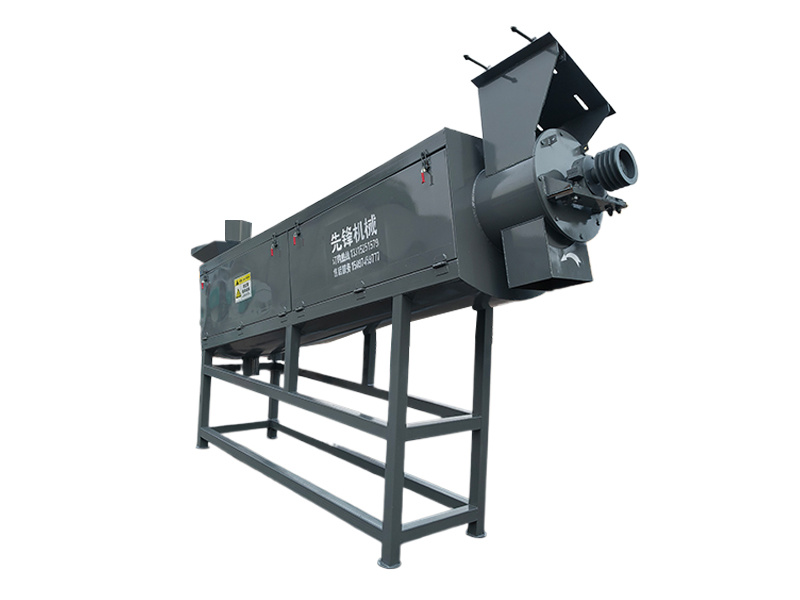
Delabeling Machines: A Game Changer for the Recycling Industry
The recycling industry is undergoing a significant transformation, thanks to advancements in technology that address key challenges faced by recyclers worldwide. One of the most impactful innovations in this space is the **delabeling machine**, designed to efficiently remove labels from various products in the recycling stream. This machine plays a pivotal role in optimizing recycling processes and improving the quality of recycled materials.
In this comprehensive guide, we will delve into the intricacies of delabeling machines, their functions, benefits, and their transformative impact on the recycling industry. We will also explore how these machines can help businesses contribute to a sustainable future while enhancing operational efficiency.
Table of Contents
1. What Are Delabeling Machines?
2. How Do Delabeling Machines Work?
3. Benefits of Delabeling Machines in Recycling
4. Applications of Delabeling Machines
5. Choosing the Right Delabeling Machine
6. Delabeling Machines and Sustainability
7. Delabeling Machine Industry Trends
8. FAQs About Delabeling Machines
9. Conclusion
What Are Delabeling Machines?
Delabeling machines are specialized equipment designed to remove labels from containers and products effectively. They are essential in the recycling process, particularly for plastic, glass, and metal materials. By eliminating labels, these machines ensure that the materials can be recycled without contamination, which is crucial for maintaining high-quality recycled outputs.
These machines come in various designs and sizes, tailored to handle different volumes of material and types of labels, such as adhesive, paper, or plastic labels. They are commonly used in recycling facilities, warehouses, and manufacturing plants where product labels need to be removed prior to processing.
How Do Delabeling Machines Work?
The operation of delabeling machines can vary based on their design and intended application. However, the fundamental principles remain the same. Here is an overview of how these machines function:
1. **Sorting and Feeding**
Initially, the materials to be delabeled are sorted and fed into the machine. This step is crucial as it ensures that only suitable items enter the delabeling process.
2. **Label Removal Mechanism**
Delabeling machines employ various mechanisms to remove labels, including:
- **Mechanical scrapers:** These physically scrape off labels from the surface of the material.
- **Steam or hot water:** Some machines use steam or hot water to loosen the adhesive that binds the label to the product, making it easier to peel off.
- **Chemical solutions:** In some cases, mild solvents are used to dissolve the adhesive, allowing for easier removal of labels.
3. **Collection and Disposal**
Once the labels are removed, the delabeled materials are collected and directed to the next stage of the recycling process. The removed labels are typically collected in a separate bin for appropriate disposal or recycling.
Benefits of Delabeling Machines in Recycling
Integrating delabeling machines into recycling operations offers several advantages:
1. **Improved Quality of Recycled Materials**
By effectively removing labels, delabeling machines significantly reduce the contamination of recycled materials, leading to higher quality outputs. This is essential for maintaining the integrity of the recycling process and ensuring that the final products meet industry standards.
2. **Increased Efficiency**
Delabeling machines streamline the recycling process, allowing for faster processing times. This efficiency translates into cost savings and increased throughput for recycling facilities.
3. **Enhanced Sustainability**
By facilitating the recycling of materials that would otherwise be discarded due to label contamination, delabeling machines contribute to a more sustainable recycling industry. This helps reduce waste and promotes the circular economy.
4. **Compliance with Regulations**
Many regions have strict regulations regarding contamination levels in recyclables. Delabeling machines help businesses comply with these regulations, avoiding potential fines and improving their reputation as environmentally responsible entities.
Applications of Delabeling Machines
Delabeling machines find applications across various sectors within the recycling industry:
1. **Plastic Recycling**
In the plastic recycling sector, delabeling machines are crucial for removing labels from bottles, containers, and other plastic products. This ensures that the recycled plastic meets the necessary quality standards for reuse.
2. **Glass Recycling**
Glass recycling operations benefit from delabeling machines that remove paper labels from glass containers, enabling the recycling of clean glass without impurities.
3. **Metal Recycling**
In metal recycling, delabeling machines help remove labels from aluminum and steel cans, ensuring that the metal can be efficiently processed and recycled.
Choosing the Right Delabeling Machine
Selecting the right delabeling machine is essential for optimizing recycling operations. Here are key factors to consider:
1. **Type of Material**
Consider the types of materials you will be processing. Different machines are designed for specific materials, such as plastics, glass, or metals.
2. **Volume of Material**
Evaluate the volume of material that needs to be processed. High-capacity delabeling machines are available for larger operations, while smaller machines may suffice for lower volumes.
3. **Label Types**
Different delabeling machines are equipped to handle various label types, such as adhesive or paper labels. Ensure that the selected machine can effectively remove the specific types of labels present in your materials.
4. **Maintenance and Support**
Choose a machine that comes with reliable customer support and is easy to maintain. Regular maintenance ensures the longevity and efficiency of the machine.
Delabeling Machines and Sustainability
Sustainability is a key focus in the recycling industry, and delabeling machines play an essential role in this effort. By improving the quality of recycled materials and enabling the recycling of items that would otherwise be discarded, these machines contribute to a circular economy.
Additionally, using delabeling machines reduces the need for raw materials, as recycled materials can replace virgin materials in production processes. This not only conserves natural resources but also reduces energy consumption and greenhouse gas emissions associated with material extraction and processing.
Delabeling Machine Industry Trends
The delabeling machine industry is evolving rapidly, driven by advancements in technology and the growing focus on sustainability. Some notable trends include:
1. **Automation and Integration**
Many delabeling machines are becoming increasingly automated, allowing for seamless integration into existing recycling systems. Automation enhances efficiency and reduces labor costs.
2. **Smart Technology**
The incorporation of smart technology, such as IoT sensors and machine learning, enables real-time monitoring and optimization of delabeling processes, leading to better performance and predictive maintenance.
3. **Sustainability-Centric Designs**
Manufacturers are focusing on creating delabeling machines that comply with sustainability standards, utilizing eco-friendly materials and processes in their design and production.
FAQs About Delabeling Machines
1. **What are the main benefits of using a delabeling machine?**
Delabeling machines improve the quality of recycled materials, increase processing efficiency, ensure compliance with regulations, and promote sustainability.
2. **What types of labels can delabeling machines remove?**
Delabeling machines can remove various types of labels, including adhesive, paper, and plastic labels, depending on their design.
3. **How do I choose the right delabeling machine for my needs?**
Consider factors such as the type of material, volume of material, types of labels, and maintenance support when selecting a delabeling machine.
4. **Are delabeling machines environmentally friendly?**
Yes, delabeling machines enhance recycling efforts by reducing contamination and enabling the recycling of materials that would otherwise be rejected, thereby contributing to sustainability.
5. **Can delabeling machines handle high volumes of material?**
Yes, many delabeling machines are designed for high-capacity processing, making them suitable for large-scale recycling operations.
Conclusion
Delabeling machines are indeed a **game changer** in the recycling industry, offering significant advantages in enhancing the quality and efficiency of recycling processes. As the industry continues to evolve, these machines will play a vital role in promoting sustainability and reducing waste. By investing in delabeling technology, businesses can not only improve operational effectiveness but also contribute to a circular economy, paving the way for a greener future. The integration of these innovative machines represents a pivotal step toward achieving sustainability goals and fostering a more environmentally responsible recycling industry.
TAG:
Contact Us
E-mail :
Phone/WhatsApp:
Address:
Shunping, Baoding City, Hebei Province


